
The skin around your eyes is structurally distinct. Thinner than skin anywhere else on the face, largely absent of sebaceous glands, and subject to constant mechanical movement from blinking and expression, this area operates under different biological conditions than your cheeks, forehead, or chin. That means it responds differently to ingredients, loses moisture faster, and shows cumulative stress earlier. Understanding this biology is the first step toward building an eye care routine that actually supports the skin.
Why the eye area cannot share products with the rest of your face
Regular face moisturizers and treatment cremes are formulated for skin with a functioning sebum layer, or a “built-in buffer.” The periorbital zone, the skin immediately surrounding the eye, largely lacks that buffer. Without sebaceous glands producing oil, this skin has fewer natural defenses against moisture loss and ingredient-induced irritation.
This is why applying a standard facial moisturizer around the eye area can backfire. Heavier emollients can cause milia, which are small keratin-filled cysts that form when product becomes trapped under the surface. Potent actives formulated for thicker facial skin can trigger irritation or inflammation in tissue that simply isn't equipped to process them at the same concentration.
Eye-specific formulas are biologically engineered to work within these constraints. They deliver targeted ingredients at concentrations appropriate for this distinct environment. This is not a marketing distinction. It is a formulation one.
AM eye care: supporting skin before stress begins
Morning eye care is fundamentally preventative. During the day, periorbital skin is exposed to UV radiation, environmental aggressors, and the cumulative mechanical stress of expression. Your morning eye product should be chosen to help manage these exposures before they compound.
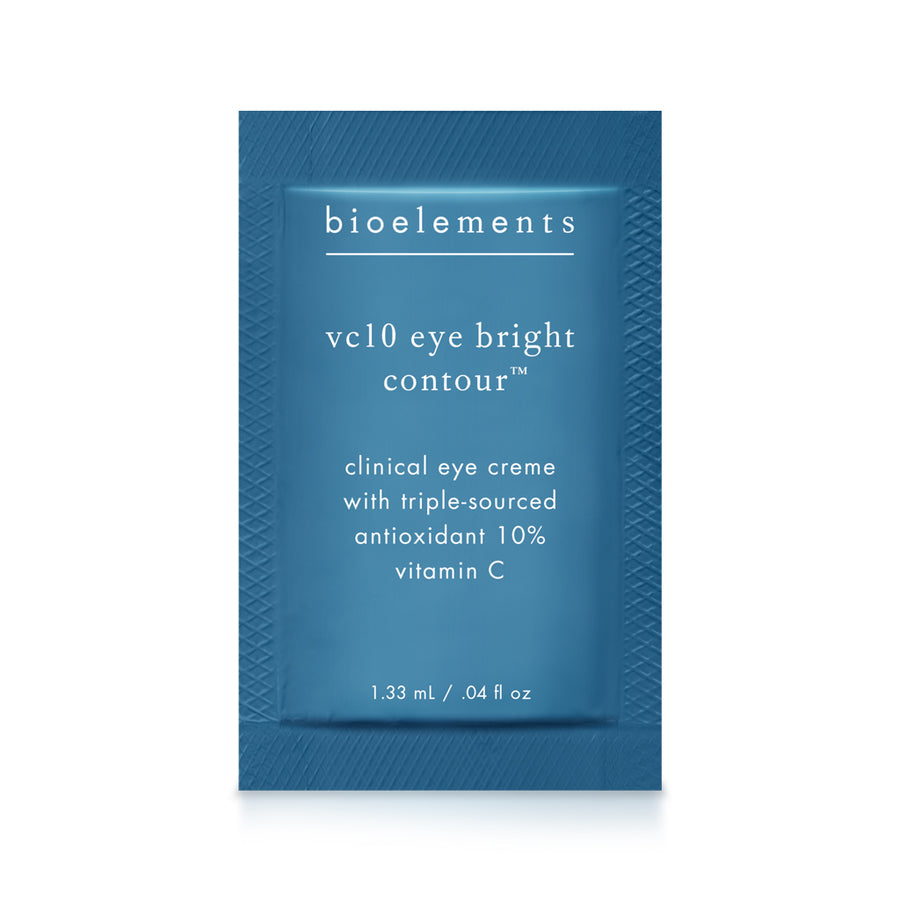
Vitamin C is one of the most biologically relevant ingredients for daytime eye care. As an antioxidant, it helps neutralize free-radical activity triggered by UV exposure and environmental stress, both key contributors to collagen breakdown and the development of dark circles and uneven skin tone over time. It also helps support collagen synthesis, which matters in an area where structural protein loss becomes visible early.
Also look for ingredients like sodium hyaluronate (the salt form of hyaluronic acid) that bind moisture to surface skin layers and help ease the appearance of fine lines that develop in part from chronic dehydration.
PM eye care: supporting repair while you sleep
The skin's repair processes are most active at night, when it is not managing environmental defense. This is when targeted eye care can do its most meaningful work.
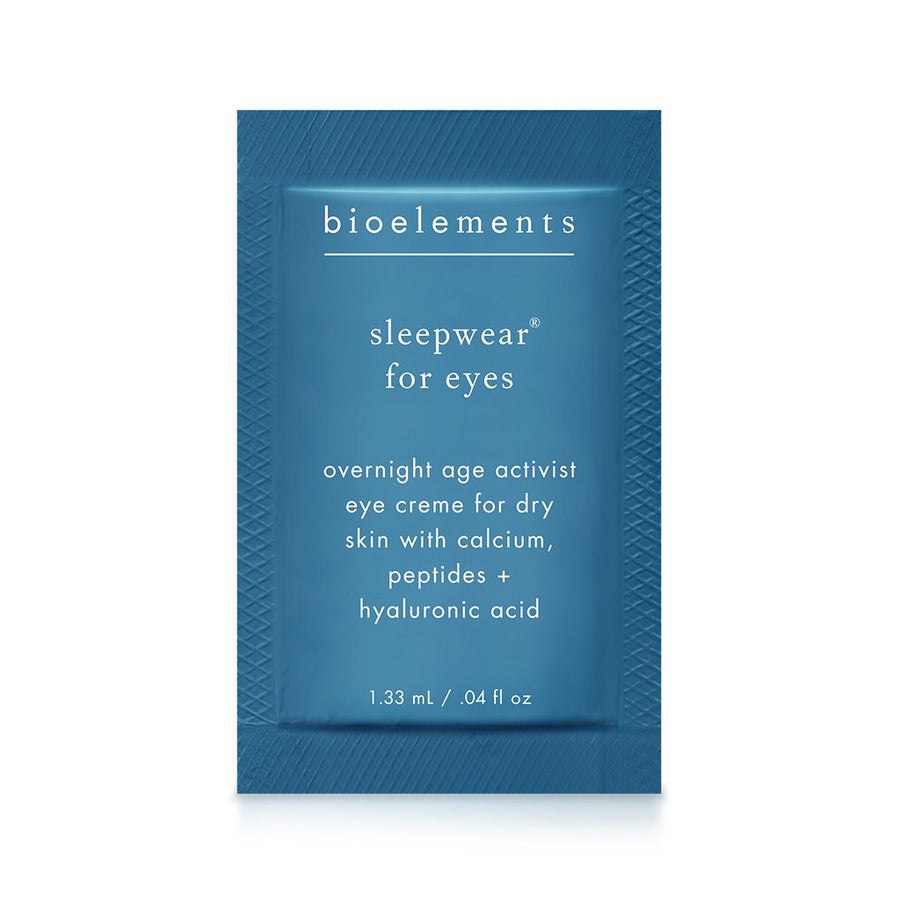
Nighttime eye formulas are biologically suited to this window. Calcium PCA helps reinforce the skin's moisture-retention capacity while smoothing surface texture, particularly relevant in an area where dryness can accelerate the appearance of fine lines. Because periorbital skin lacks sebaceous glands, it cannot replenish its own moisture supply the way other facial zones can. A PM eye product with this ingredient addresses this gap directly.
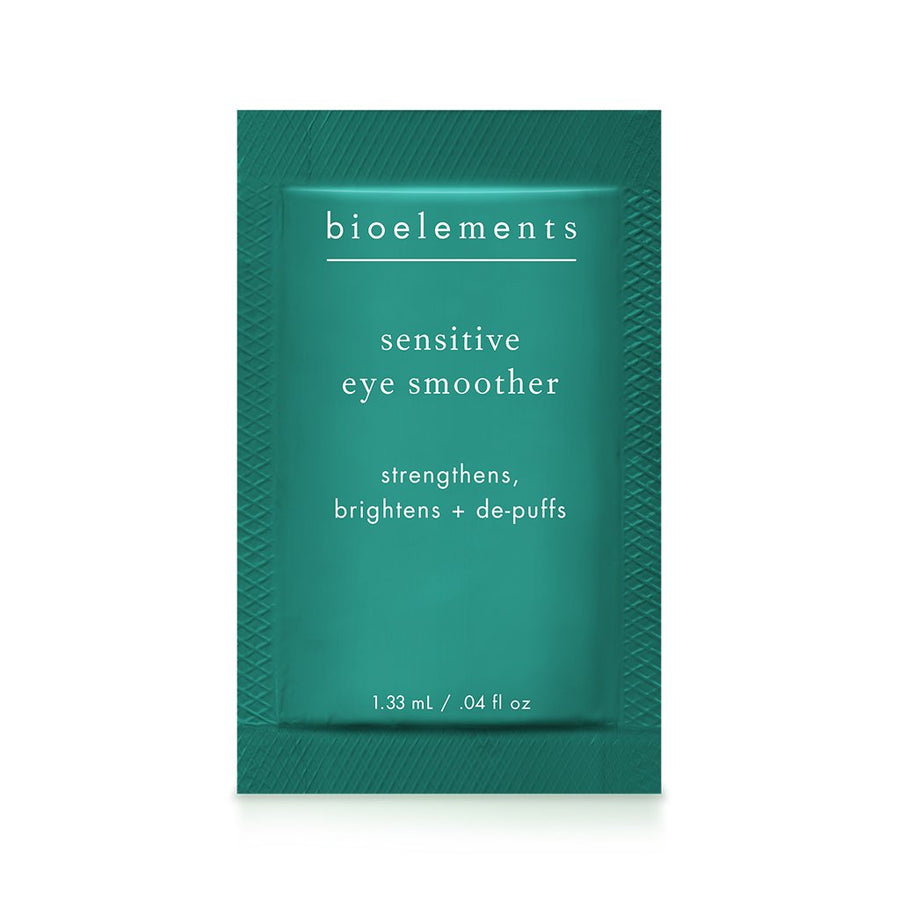
For skin that tends toward sensitivity or puffiness, look for formulas that include Rhodiola Complex, a blend of saccharomyces lysate extract, betaine, and rhodiola rosea. These actives work together to help firm, brighten, and manage the appearance of puffiness without introducing ingredients that could aggravate reactive skin.
How to apply eye products correctly
Even a well-chosen eye product will underperform if the application technique works against skin biology. The periorbital zone is thin and vascular, and aggressive rubbing or pulling can stress the tissue and, over time, can contribute to the very concerns you are trying to manage.
Apply eye product using your ring finger, which naturally exerts less pressure than other fingers. Use a light tapping or pressing motion around the orbital bone (the bony ridge encircling the eye) rather than dragging across the skin surface. Both morning and evening applications should follow this approach.
Applying your eye product at the correct point in your routine matters as much as the product itself. Eye formulas should go on after toning and before face serums or moisturizers. This sequencing ensures that active ingredients reach the periorbital skin directly, without being diluted or blocked by products formulated for thicker tissue. It also reduces the risk of product migration, or transferring potent actives from your face routine into an area not designed to handle them.
Product placement matters too. Most eye concerns, like fine lines, dark circles, and puffiness, occur along the orbital area, not directly on the eyelid. Focus application from the outer corner inward along the lower orbital bone, and gently along the brow bone above. This targets the area of greatest biological vulnerability without risking direct contact with the eye itself.
If you are unsure which eye formulas are right for your specific concerns, an esthetician can assess the periorbital area as part of a professional skin analysis and recommend a targeted protocol built around your skin's actual needs.
about the skin journal by bioelements
The skin journal is Bioelements professional point of view on skin health, facials, and barrier-first care. Developed in collaboration with Bioelements estheticians and educators, each article translates skin biology, biomarkers, and treatment-room experience into clear, actionable guidance for real results. Grounded in decades of professional expertise, the skin journal reflects our belief that lasting skin transformation starts with decoding skin biology – not chasing trends.