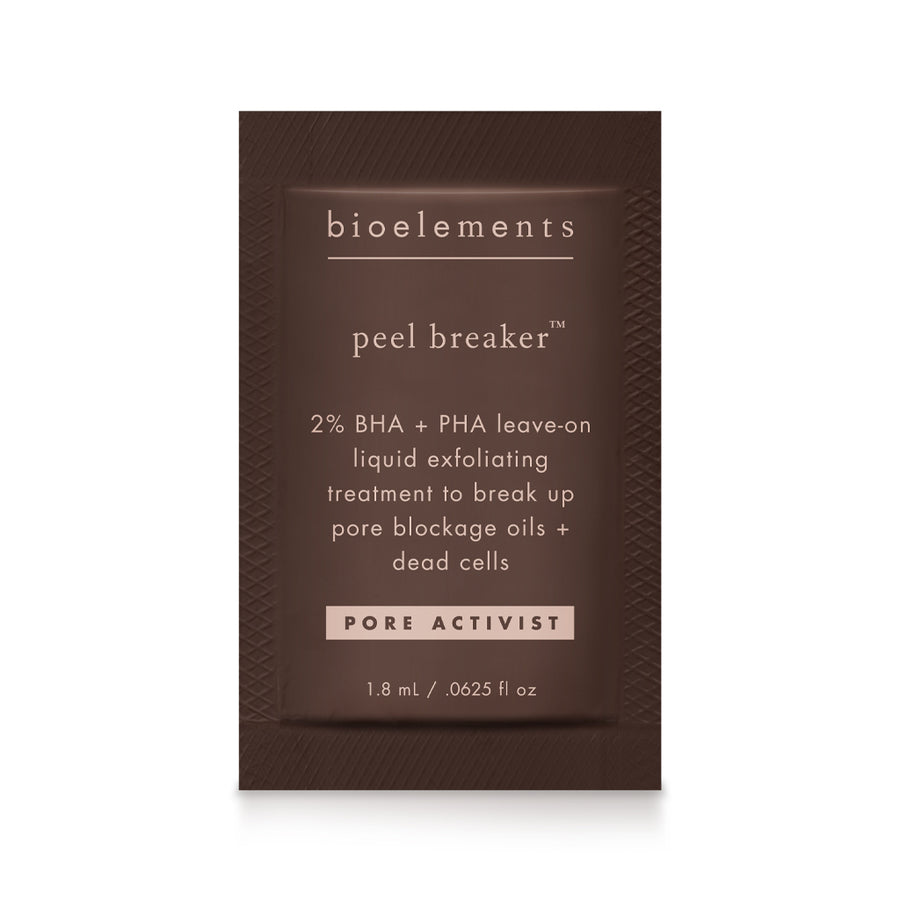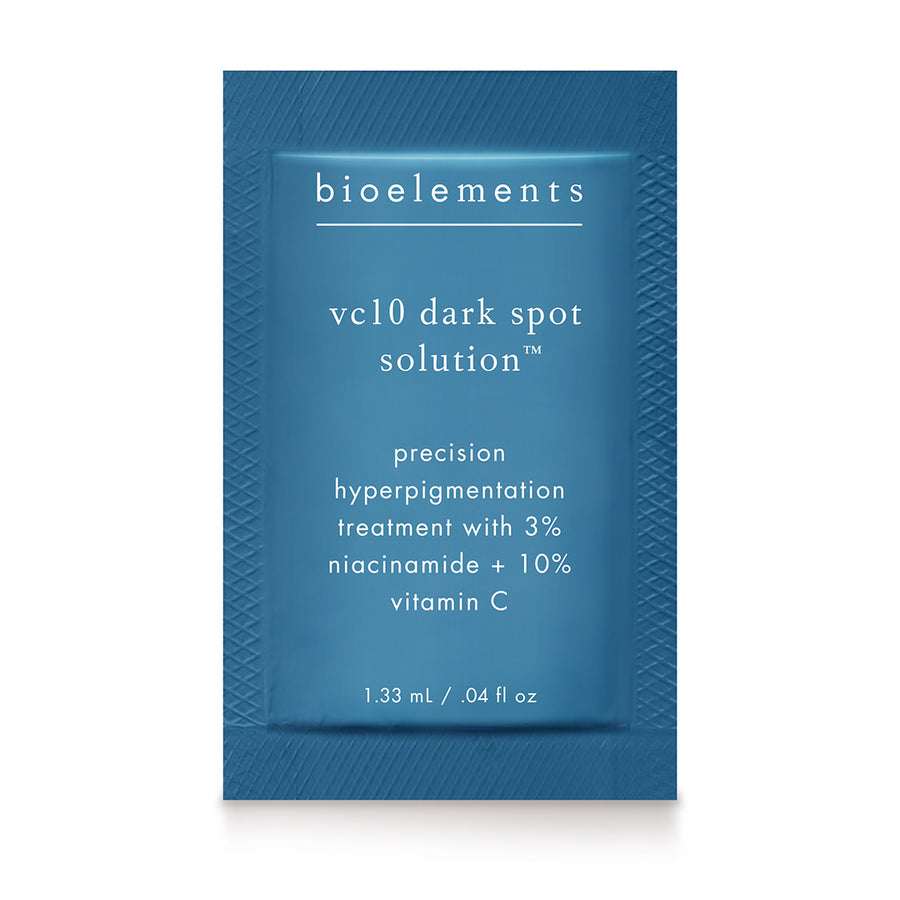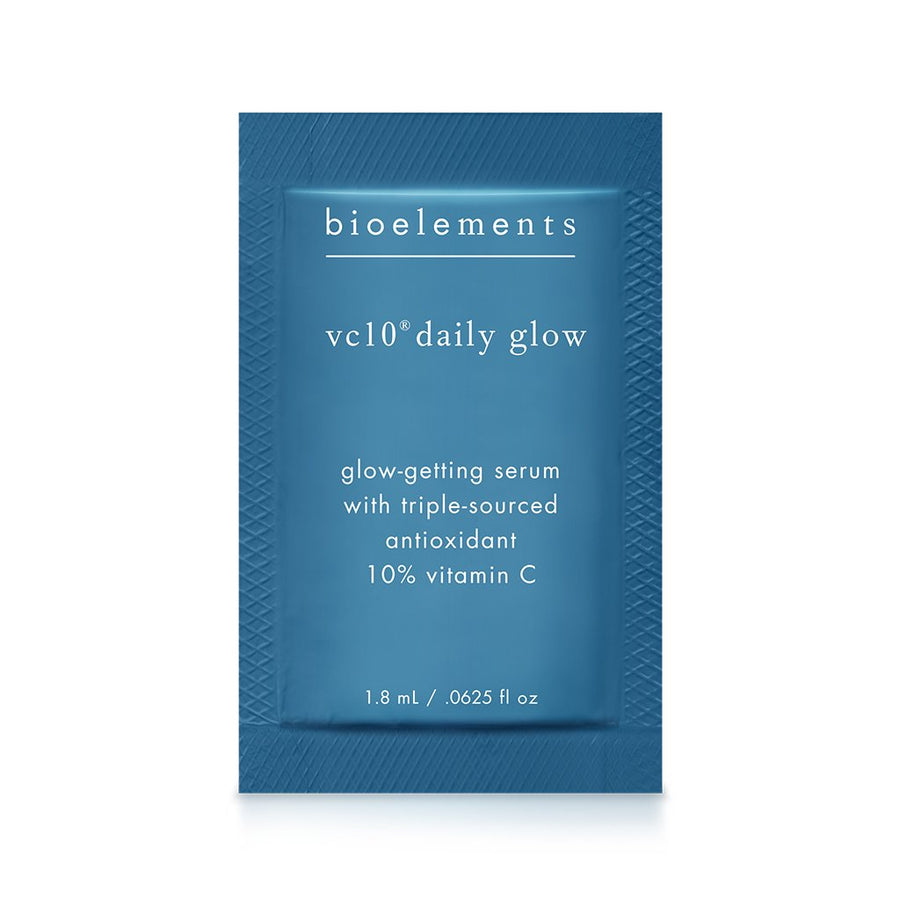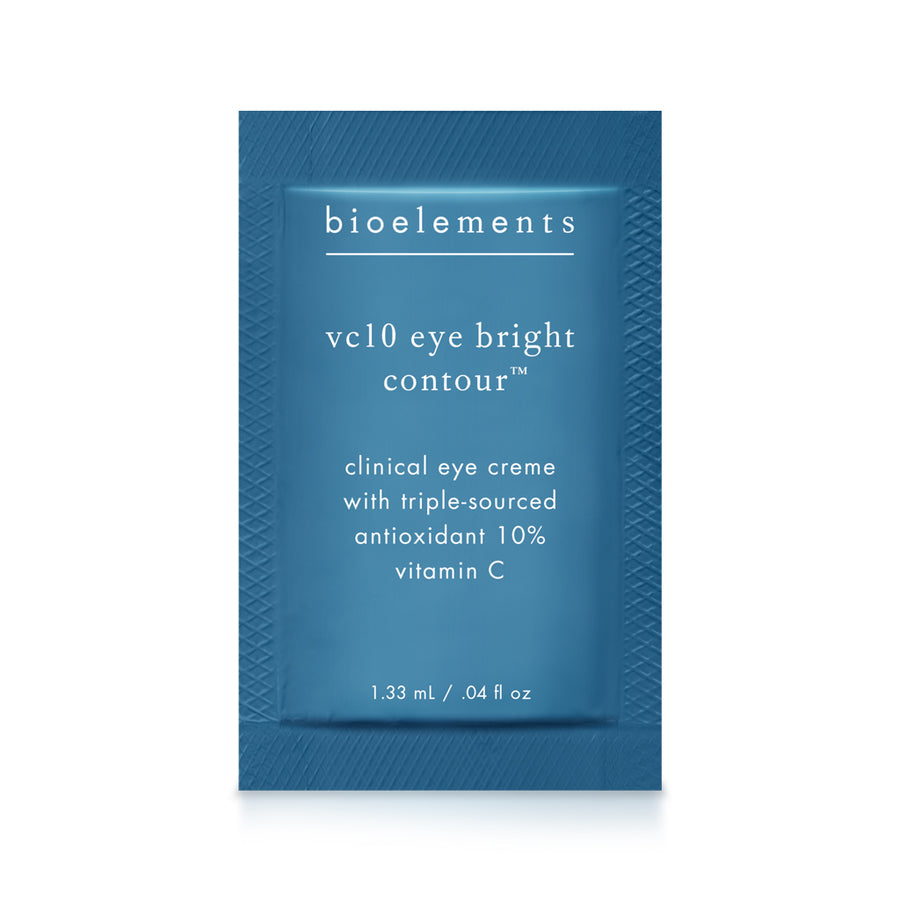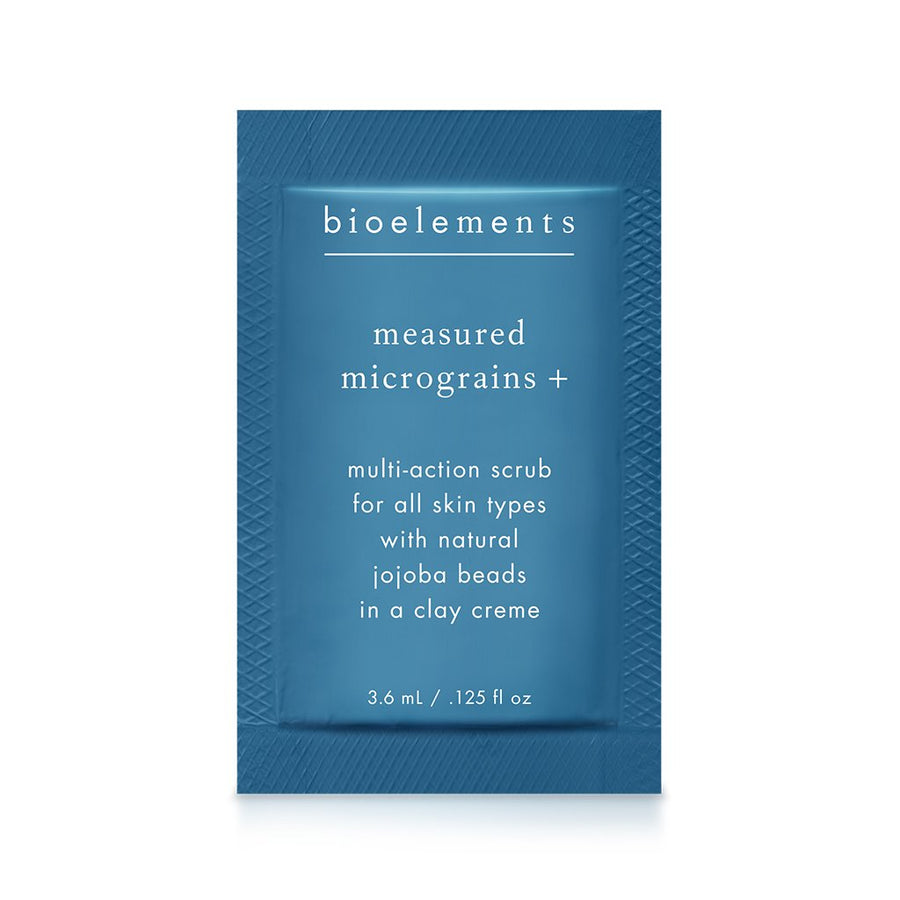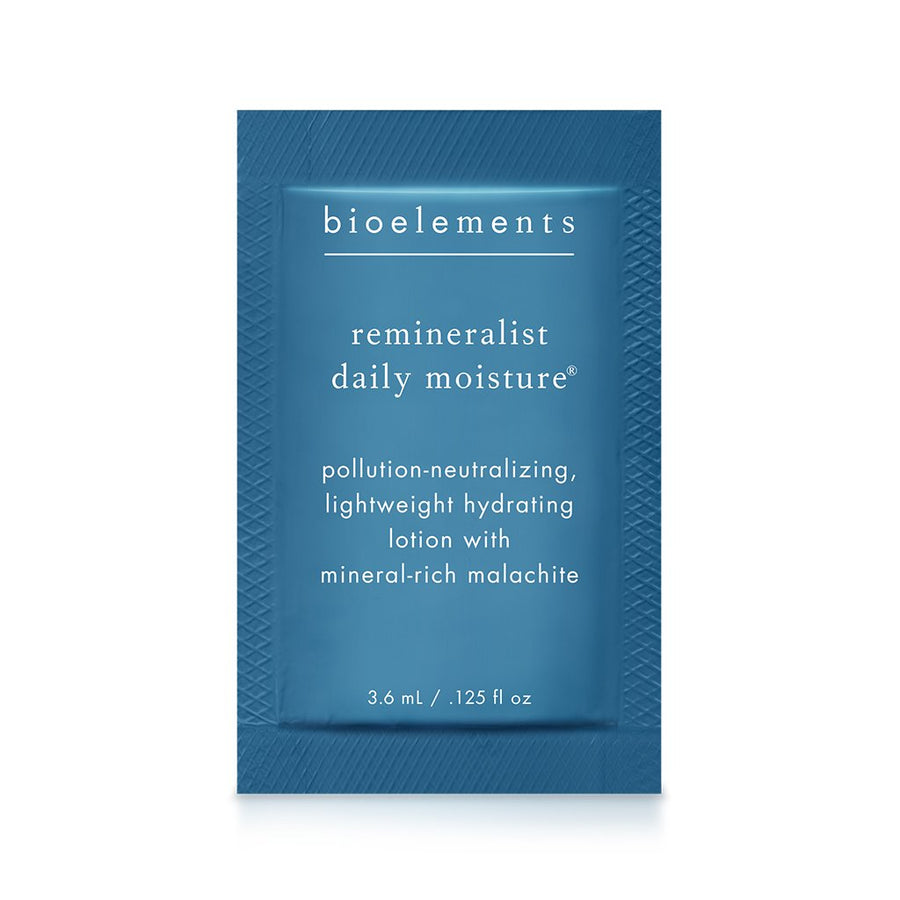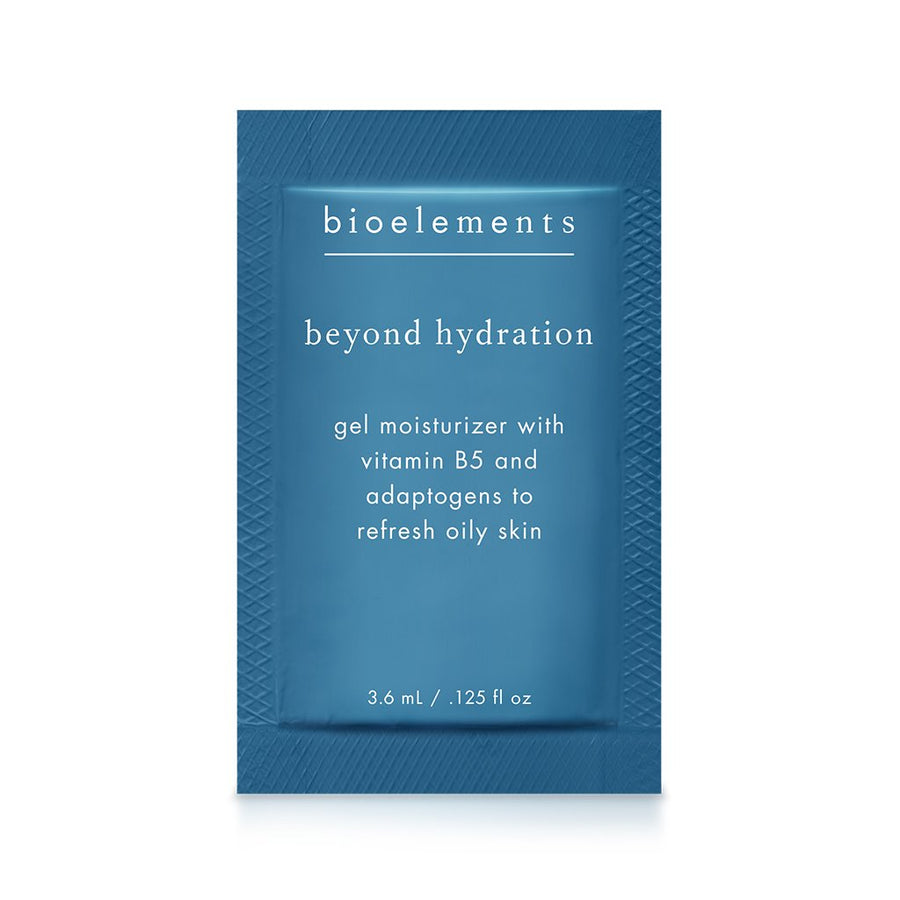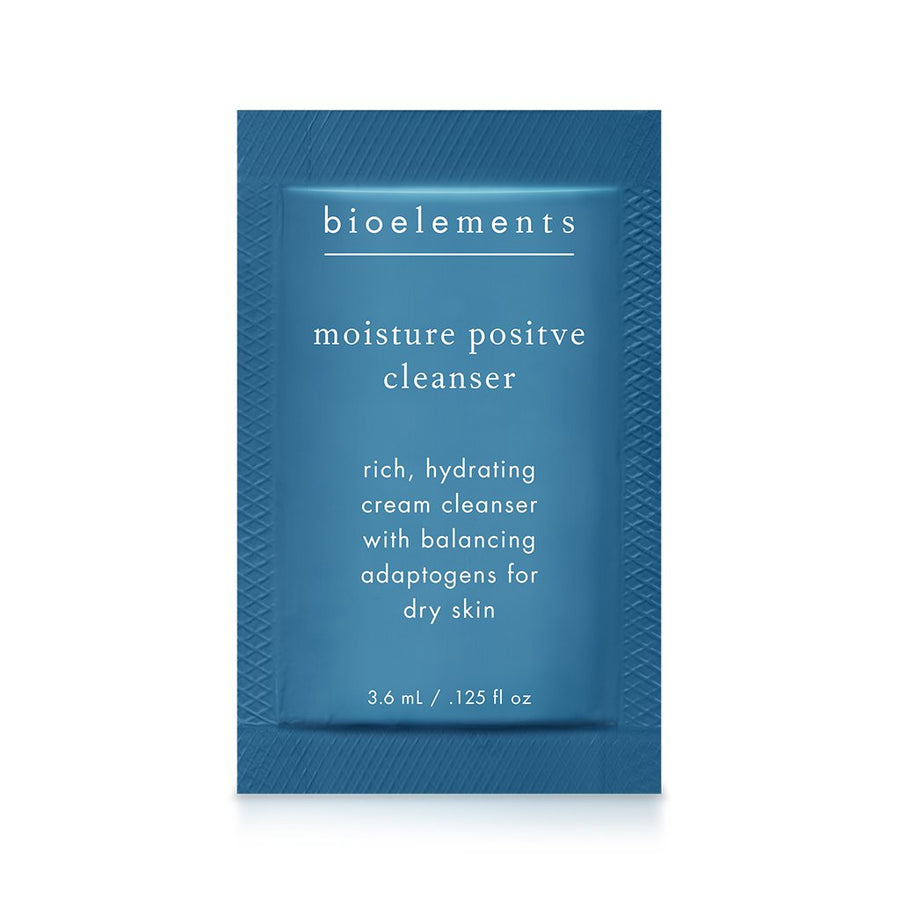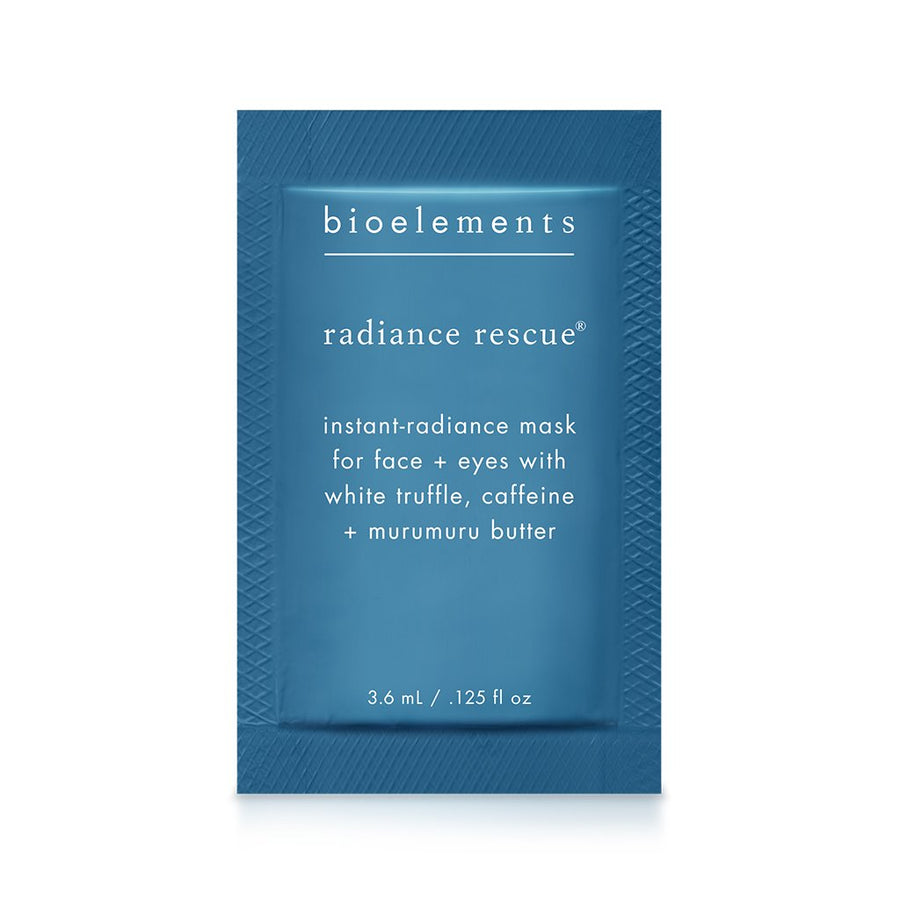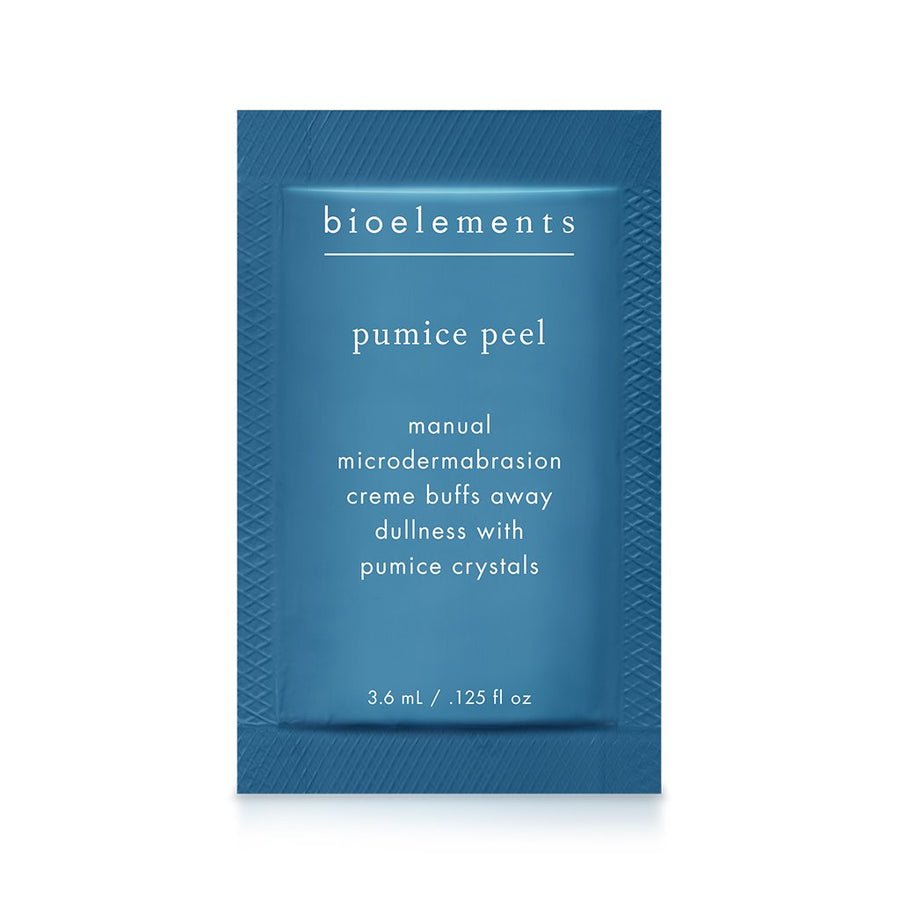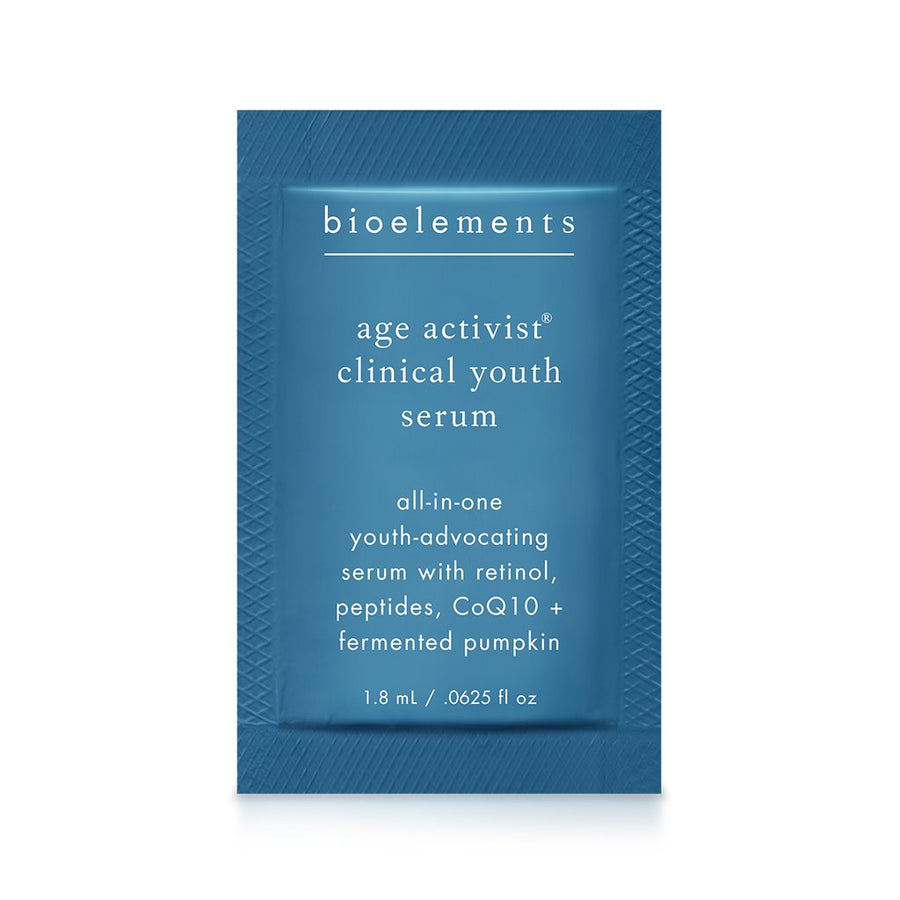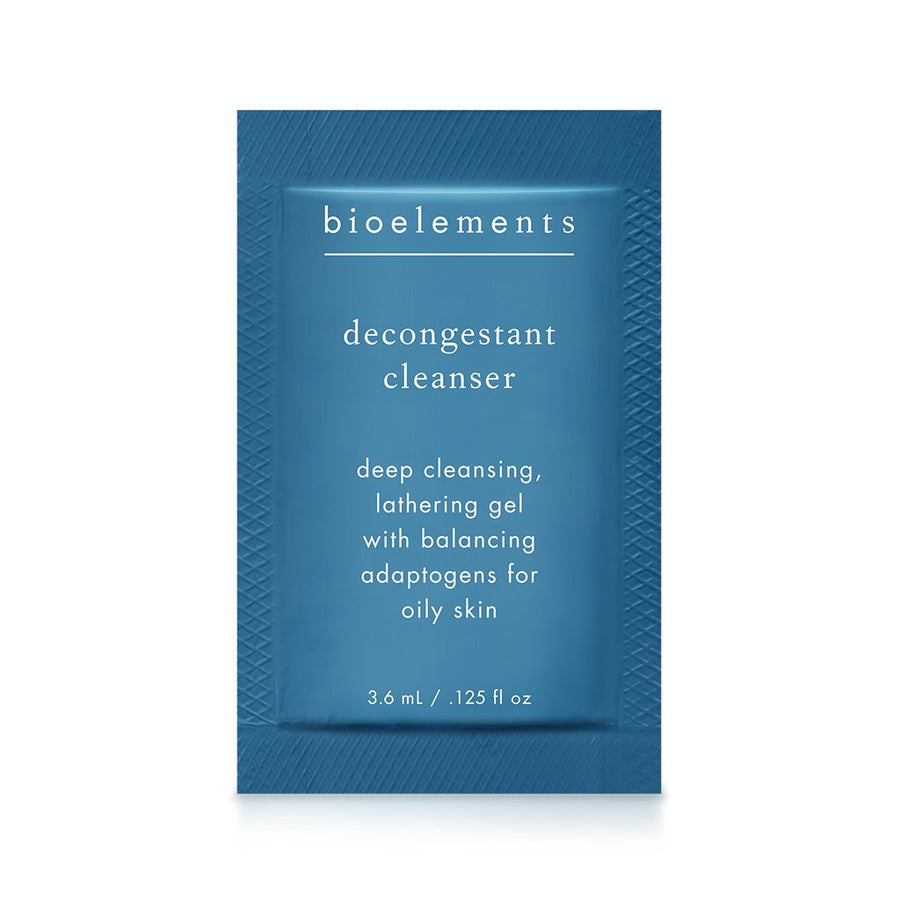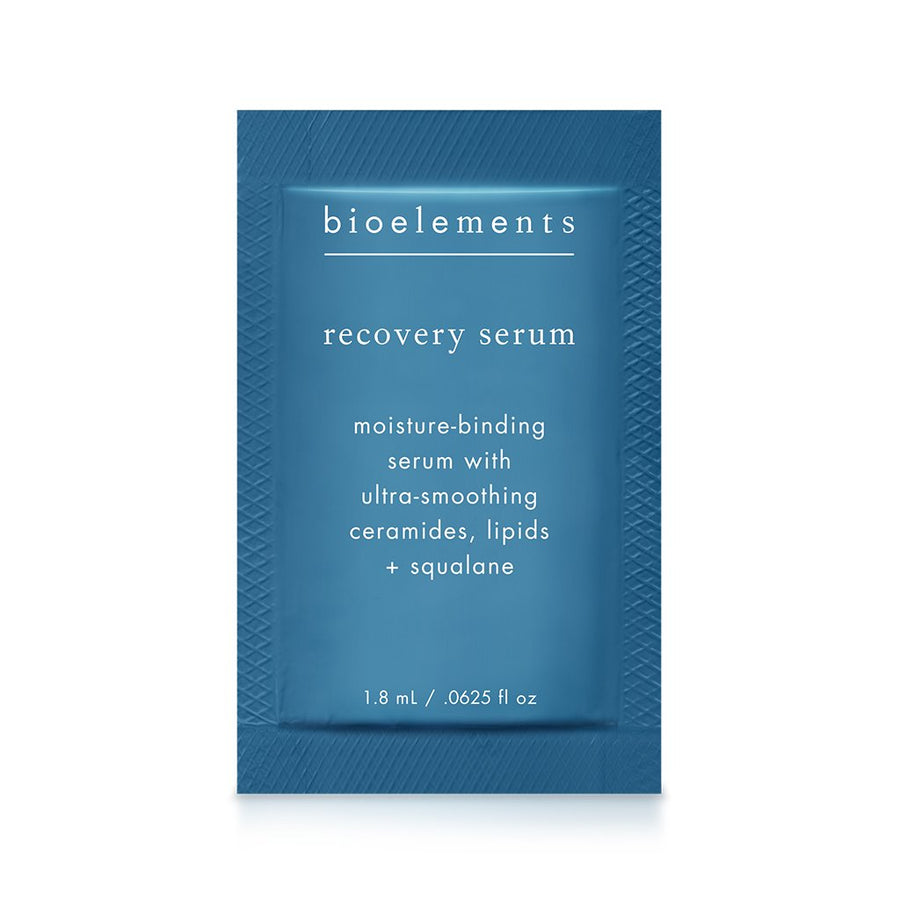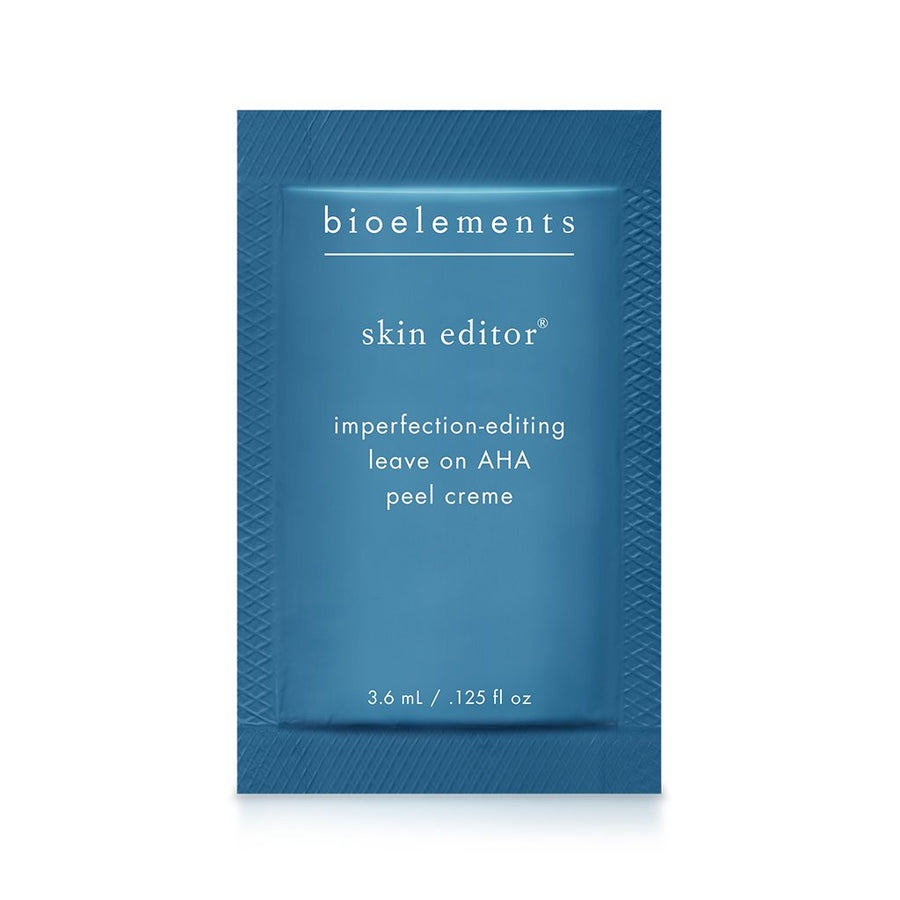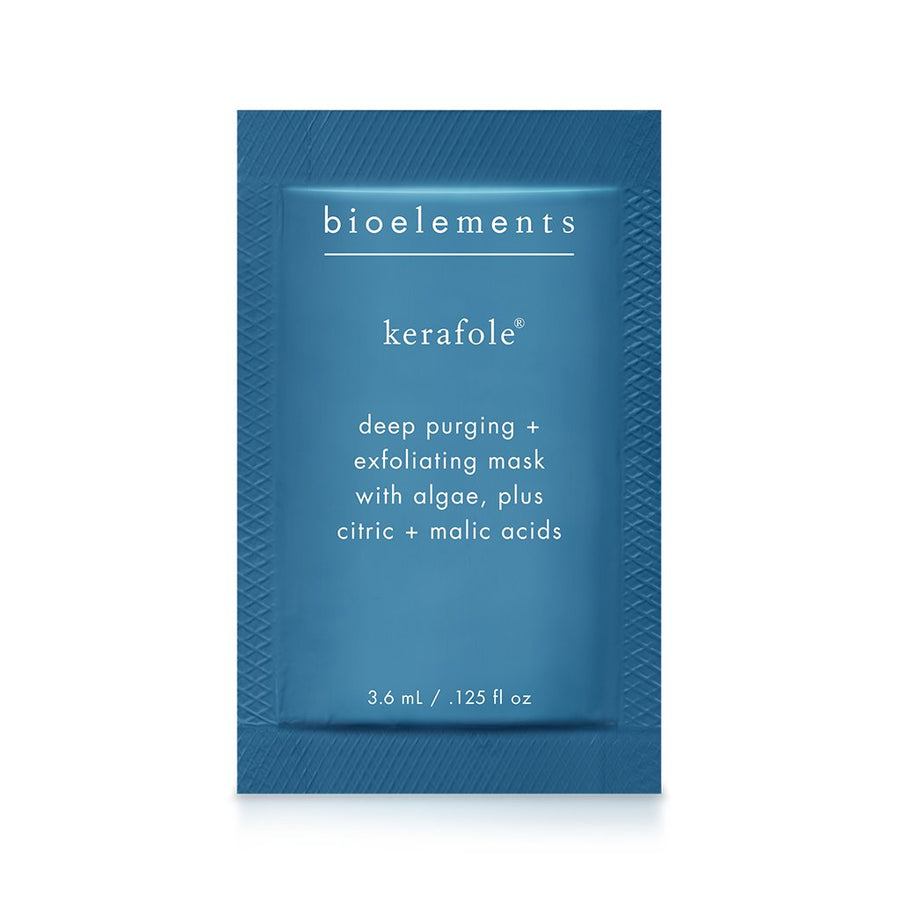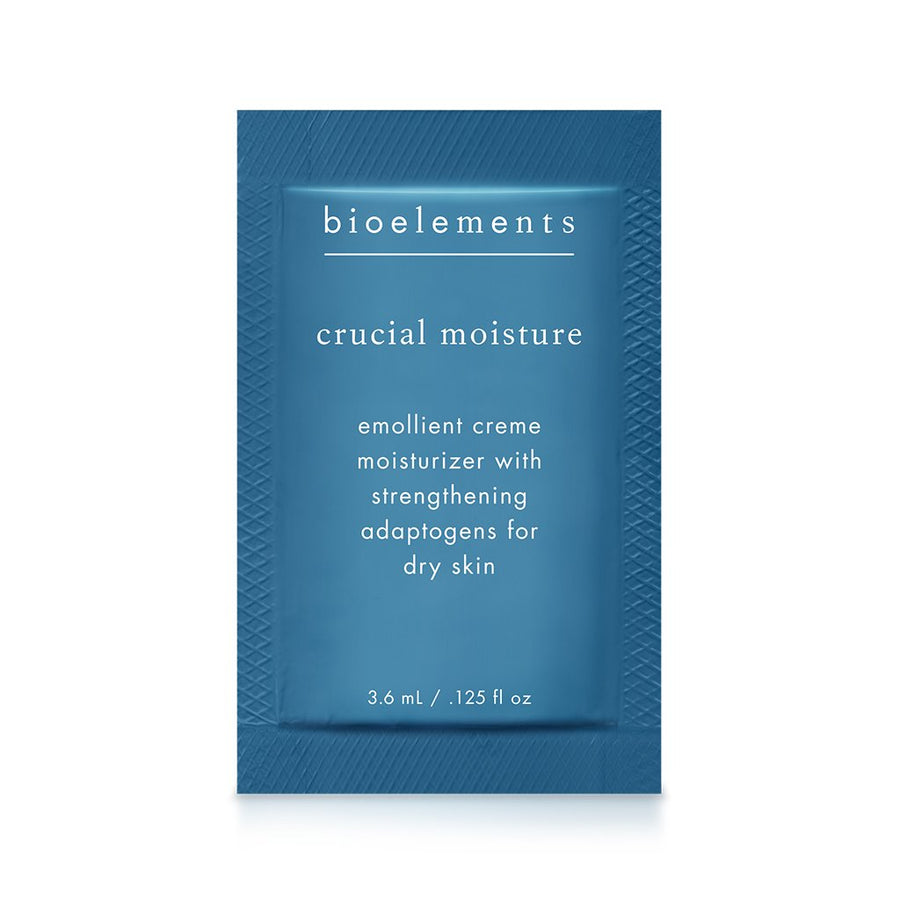

A summer skin reset is the process of adjusting your routine to support how skin behaves in warmer weather. As temperatures rise, skin usually produces more oil, loses water more easily and becomes more prone to congestion, inflammation and barrier imbalance.
“Summer sun, heat and humidity can challenge your skin in unique ways,” says Beth Bialko, bioelements esthetician. “The goal is to protect and replenish the skin while keeping barrier function strong throughout the season.”
Resetting your skin for summer isn’t about starting over – it's about small adjustments to bring your skin back to a healthy baseline. These are the tips our estheticians recommend.
Prioritize sunscreen daily
If estheticians focus on one thing first during summer months, it’s SPF consistency.
UV exposure is one of the biggest contributors to premature aging, hyperpigmentation, inflammation and collagen breakdown. Beth recommends using a broad-spectrum SPF 30 or higher every day and reapplying regularly, especially after sweating or swimming.
“While makeup with SPF offers some protection, it’s generally not enough on its own,” Beth advises. “To reach the labeled SPF level, you’d need to apply much more product than most people typically use. For optimal daily defense, apply a dedicated sunscreen first, then layer on SPF-containing makeup for added coverage, especially since makeup tends to wear off throughtout the day.”
Cleanse more thoroughly, not more aggressively
Summer skin tends to collect more buildup throughout the day from sweat, sunscreen, excess oil and environmental debris. That’s why estheticians often recommend reassessing cleansing routines during warmer weather.
The mistake, according to Beth, is over-cleansing. Stripping the skin can disrupt the skin barrier, leaving it dehydrated and irritated beneath the surface while still appearing oily on the surface.
Instead, estheticians typically recommend gentle cleansing that removes buildup without leaving skin tight afterward. For many people, summer is also when nightly dual cleansing becomes more important to fully remove sunscreen and excess oil.
Switch to lighter hydration
One of the biggest summer skin misconceptions is that oily skin no longer needs moisturizer.
“Dehydrated skin can appear tight, dull and more prone to sensitivity or breakouts,” says Beth. “Maintaining hydration is essential for elasticity, texture and barrier repair.”
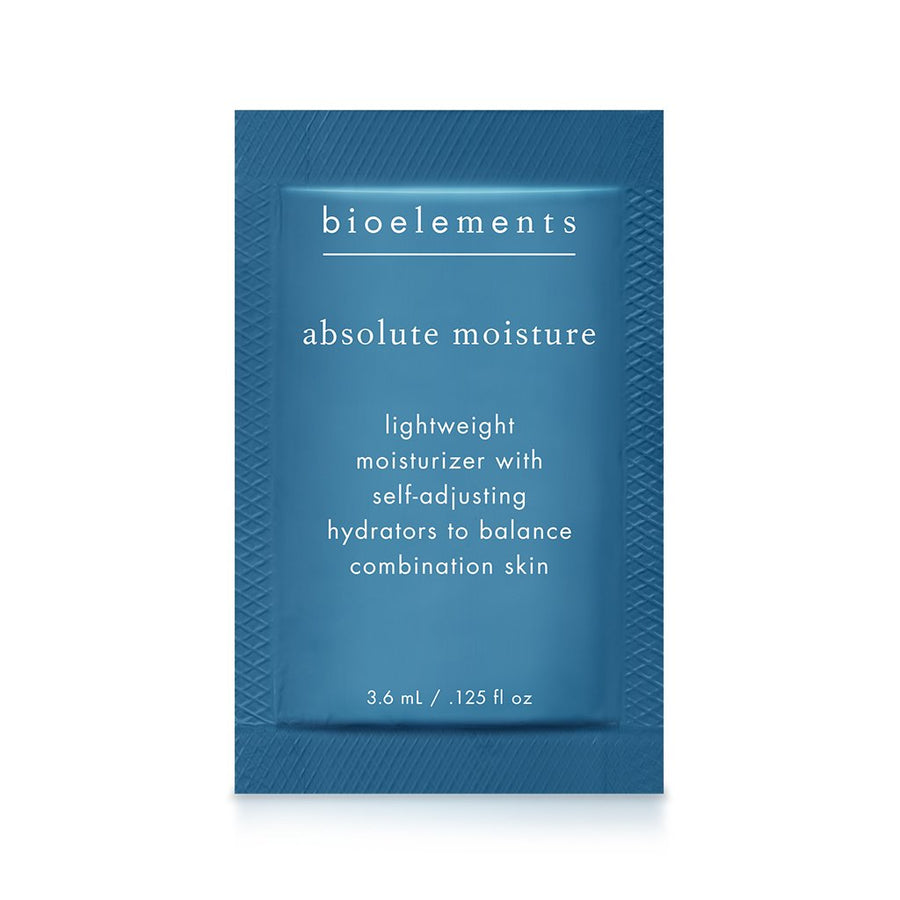
Rather than skipping hydration completely, estheticians usually recommend lightweight moisturizers and hydrating ingredients like hyaluronic acid and squalane that support the skin barrier without feeling overly heavy in humidity.
Focus on preventing inflammation
Summer heat, sweat and UV exposure can make skin more reactive and congestion-prone, especially when pores become overloaded with oil and buildup.
Many people respond by over-exfoliating, but estheticians say that often worsens irritation and barrier disruption. A summer reset focuses more on keeping skin balanced and calm than aggressively stripping it. Estheticians recommend hydration recovery, barrier support and smart skin stacking to help skin return to balance and stay there.
Support your skin beyond skin care
According to estheticians, healthy summer skin is also influenced by hydration, nutrition and sun habits. Beth recommends increasing water intake, eating antioxidant-rich foods and minimizing prolonged direct sun exposure during peak UV hours whenever possible. When skin is supported internally and externally, it helps it stay clearer, calmer and more resilient throughout summer.
FAQs: Summer skin reset
What is a summer skin reset?
A summer skin reset is the process of adjusting your skin care routine to support how skin changes in heat, humidity and increased UV exposure.
Why does skin become oilier in summer?
Warmer temperatures stimulate oil production, while sweat, sunscreen and environmental buildup can make skin feel shinier and more congested.
Can skin be oily and dehydrated at the same time?
Yes. Summer heat, UV exposure and over-cleansing can increase water loss within the skin, leaving it oily on the surface but dehydrated underneath.
Should you change your moisturizer in summer?
Estheticians often recommend switching to lighter hydration during summer to support barrier function without feeling overly heavy in heat and humidity.
Why do breakouts increase during summer?
Heat, sweat, excess oil and sunscreen buildup can collect more easily within pores during summer, increasing congestion and inflammation.
How often should you reapply sunscreen in summer?
Estheticians recommend reapplying broad-spectrum SPF every 1–2 hours, especially after sweating or swimming.
about the skin journal by bioelements
The skin journal is Bioelements professional point of view on skin health, facials, and barrier-first care. Developed in collaboration with Bioelements estheticians and educators, each article translates skin biology, biomarkers, and treatment-room experience into clear, actionable guidance for real results. Grounded in decades of professional expertise, the skin journal reflects our belief that lasting skin transformation starts with decoding skin biology – not chasing trends.