
Your 30s are when skin starts to require a little more attention and effort. What once felt easy and consistent can begin to shift, and tone, texture and overall resilience may not look or feel the same.
A routine that worked in your 20s can start to feel less effective, not because it was wrong, but because your skin is changing. This is the point where product choice and consistency begin to matter even more.
What’s changing in your 30s
In your 30s, collagen production gradually declines, subtly changing how firm and resilient your skin looks. There’s often less bounce, and expression lines can start to hold their place a little longer, especially in areas of repeated movement.
“As cell renewal slows (declines by 30-50% during our 30s), skin doesn’t shed and replace cells as efficiently,” says Emma Nowakowski, bioelements esthetician. “Over time, this can affect how smooth and even the surface looks, with texture feeling slightly less refined and tone appearing a bit duller than before.”
Hydration levels can also fluctuate, with skin that once felt balanced starting to feel drier. Breakouts can still be part of the picture, often tied to hormones or stress, but they tend to linger longer and are more likely to leave behind visible marks as the skin’s renewal process slows.
These early measurable shifts, or biomarkers, reflect changes happening at a structural, functional and cellular level, even if they’re not always obvious yet.
3 skin habits to start in your 30s
1. Promote collagen + elastin production
Collagen production begins to slow in your 30s, which directly impacts how firm and resilient skin looks. What once bounced back easily can start to feel less responsive, and expression lines may linger.
This shift is gradual, and over time, it can show up as softer contours and a subtle loss of elasticity. Promoting collagen and elastin becomes part of maintaining how skin looks and feels day to day. Consistent use of targeted treatments helps firm, rejuvenate, and keeps skin looking smooth and resilient.
2. Support skin cell renewal
The cellular renewal process declines by about 30-50% in your 30s, meaning dead skin cells don’t shed as efficiently as they once did. This buildup can sit on the surface, making skin look dull, uneven or slightly rough in texture.
Congestion can also take longer to clear, and breakouts may feel more persistent than they did in your 20s. Keeping cell turnover consistent through exfoliation helps maintain a smoother surface and more even tone, helping skin look clearer overall.
3. Prioritize hydration and barrier support
Hydration levels can shift in your 30s, and skin that once felt balanced may start to lean drier or become more reactive. When hydration is off, it often shows up in how skin looks as much as how it feels, like less radiance, more visible texture and an overall lack of smoothness.
Maintaining hydration and barrier integrity supports functional biomarkers, helping skin stay balanced and more resilient over time.
FAQs: Skin care in your 30s
What happens to your skin in your 30s?
In your 30s, skin changes gradually as collagen production slows, cell turnover becomes less efficient, and hydration levels fluctuate. These shifts can lead to reduced firmness, duller tone, uneven texture, and breakouts that take longer to heal and may leave visible marks.
Why does skin lose firmness in your 30s?
Skin loses firmness in your 30s because collagen production begins to slow. This reduces structural support, making skin less resilient and elastic. As a result, expression lines can linger longer and facial contours may appear softer over time.
Does skin become drier in your 30s?
Yes, skin can become drier in your 30s as hydration levels fluctuate. Skin that once felt balanced may start to feel drier, which can affect smoothness, radiance and overall appearance.
Can you still get acne in your 30s?
Yes, acne can still occur in your 30s, often linked to hormones or stress. Breakouts may last longer and are more likely to leave visible marks because skin renewal slows during this stage.
What are skin biomarkers in your 30s?
Skin biomarkers in your 30s are early measurable changes beneath the surface, including slower collagen production, reduced cell turnover, and shifts in hydration. These changes reflect structural, functional, and cellular processes that influence how skin looks and behaves.
What skin care habits should you start in your 30s?
In your 30s, focus on promoting collagen and elastin production, supporting consistent skin cell renewal, and maintaining hydration and barrier integrity.
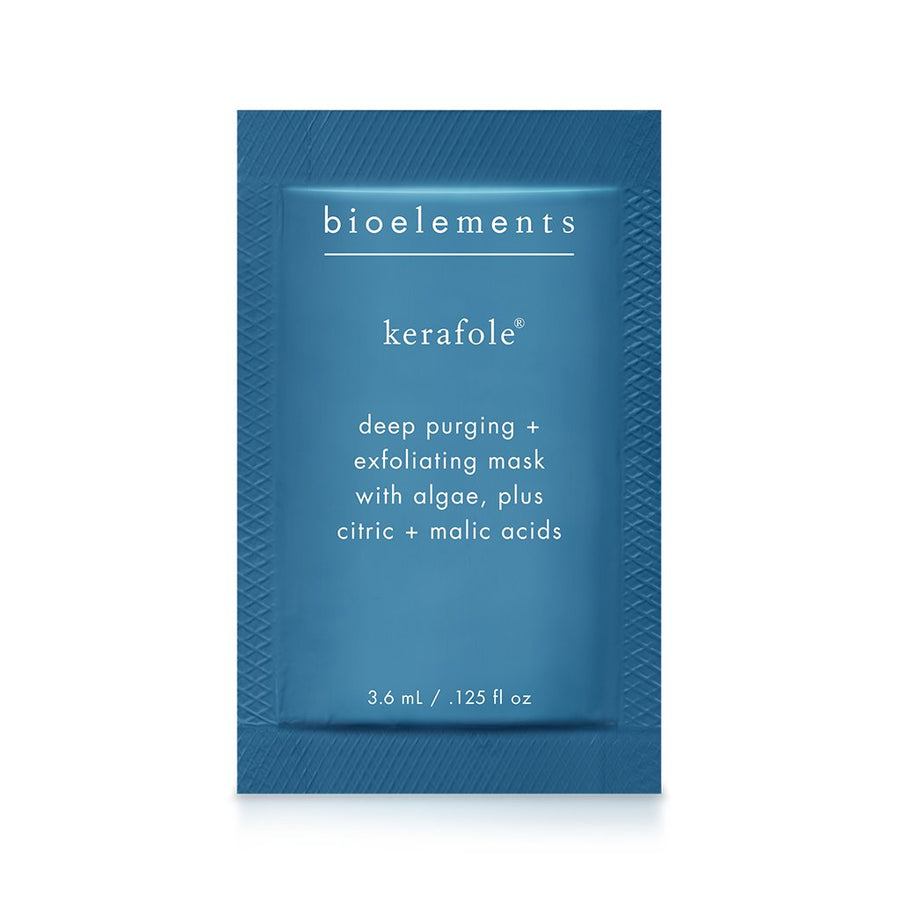
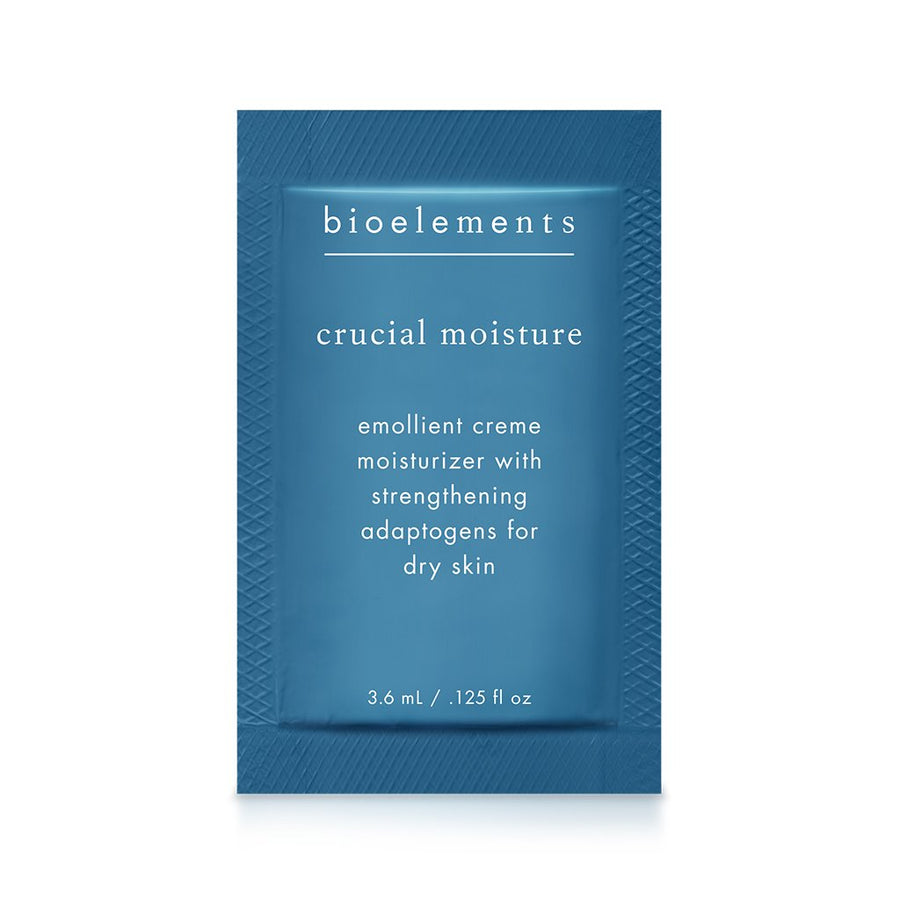
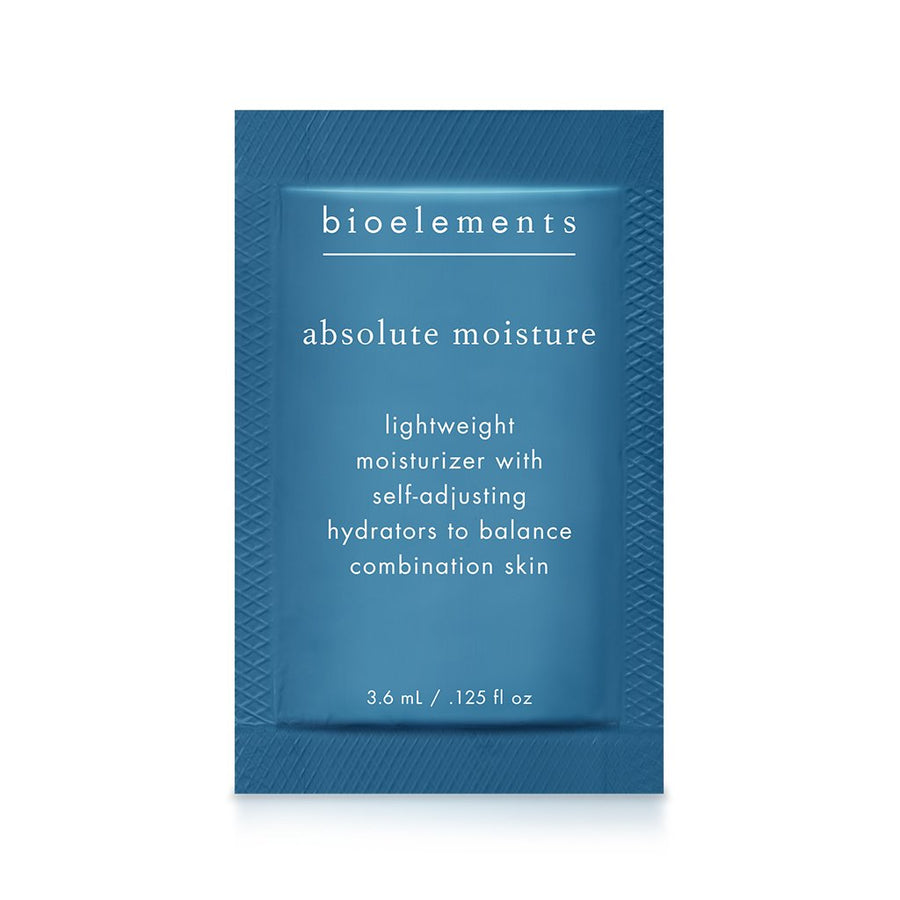
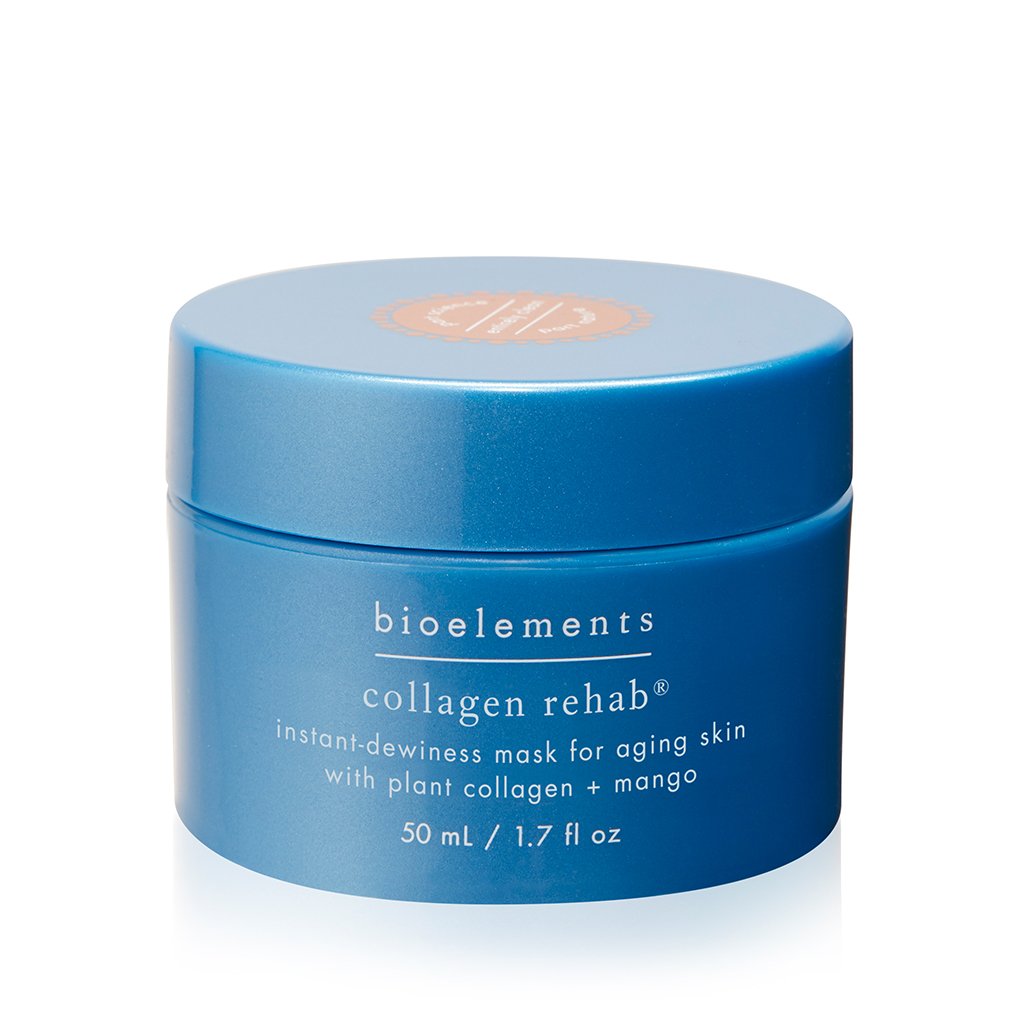
Pro picks featured in this article
Swipe through these esthetician-approved formulas.


skin editor
leave on AHA peel creme to target texture, dullness, congestion, discoloration and lines

about the skin journal by bioelements
The skin journal is Bioelements professional point of view on skin health, facials, and barrier-first care. Developed in collaboration with Bioelements estheticians and educators, each article translates skin biology, biomarkers, and treatment-room experience into clear, actionable guidance for real results. Grounded in decades of professional expertise, the skin journal reflects our belief that lasting skin transformation starts with decoding skin biology – not chasing trends.