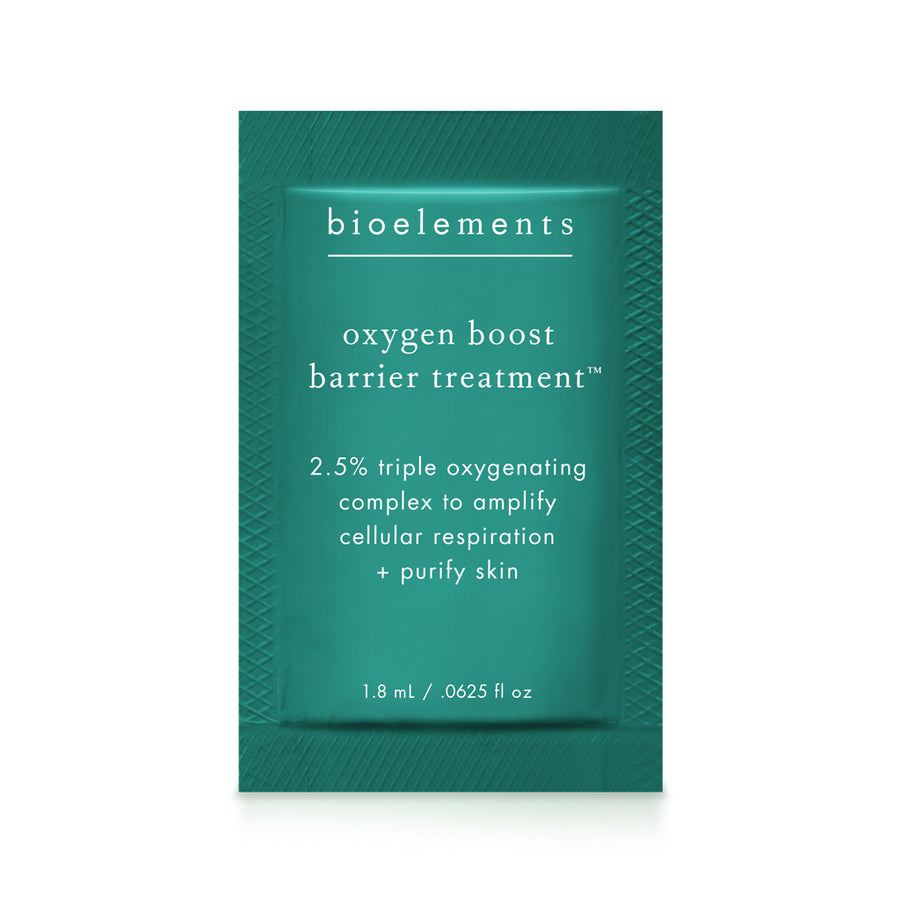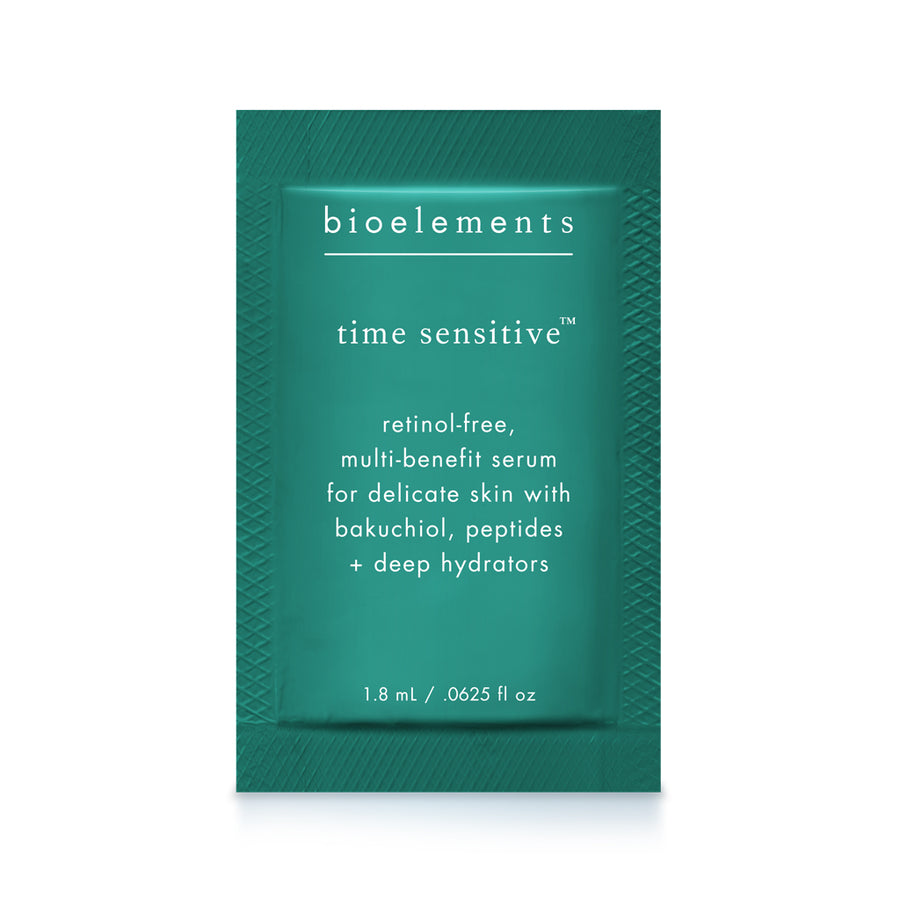

The early signs of aging are not a sudden change – they are a progression. They show up in the way skin responds, recovers and holds itself together. Paying attention to these early signals allows for a more targeted approach that supports skin as it evolves, helping maintain skin that feels firm and balanced.
The first signs of aging skin and what they actually mean
The early signs of aging tend to show up as small shifts in how your skin behaves, often before you would ever describe it as aging. Skin that once felt resilient starts to feel a little less responsive or less firm, and it doesn’t quite bounce back the same way. Lines that used to disappear after a layer of moisturizer begin to linger just a bit longer, and the skin's overall look can feel dull, even when nothing in your routine has changed.
“What’s happening in these moments is not surface-level – these are visible signals of deeper biological changes that estheticians track through biomarkers tied to structure, function and cellular activity,” explains Beth Bialko, Bioelements esthetician. “Skin is constantly working to maintain itself, and as we age, that process begins to slow.”
How collagen loss changes skin over time
Collagen is one of the main structural proteins responsible for keeping skin firm, supported and smooth. Alongside elastin and other extracellular matrix components, it forms the internal framework that gives skin its strength and flexibility. In your mid to late twenties, collagen production naturally begins to decline. It is gradual, and for a while, the skin compensates well. Fibroblasts continue producing what they can, and the skin still appears balanced on the surface.
Over time, though, that balance starts to change.
“Collagen fibers break down faster than they are replaced, and elastin begins to lose its ability to stretch and return to shape,” says Beth. “The extracellular matrix, which also holds water through compounds like hyaluronic acid, becomes thinner and less organized.”
This affects not just firmness, but hydration and overall resilience. The connection between layers of the skin begins to weaken as well, making everything feel less supported.
This is when those early signs become more noticeable.
What causes loss of firmness
Firmness loss is a structural shift within the skin, driven by biomarkers and shaped by both intrinsic aging and external exposures.
UV damage is the primary cause of collagen breakdown. It triggers enzymes that degrade collagen and elastin, weakening the fibers responsible for keeping skin firm. Oxidative stress from pollution and other environmental factors accelerates this process by damaging cells and increasing breakdown.
“Collagen and elastin are what give skin its strength and ability to bounce back,” says Beth. “Over time, UV exposure, oxidative stress and slower cellular activity cause these fibers to break down, making the skin’s support system weaker and less stable.”
As skin ages, fibroblast activity slows, reducing the production of collagen and elastin. This slows the skin’s ability to maintain its structure and repair itself, allowing firmness loss to become more visible over time.
Beth adds that hormonal changes, like menopause, can further accelerate this shift.
“Estrogen plays a key role in stimulating fibroblasts to produce collagen and elastin,” she says. “As estrogen declines, this activity is reduced, leading to slower collagen production and the breakdown of existing elastin fibers. Glycosaminoglycans, including hyaluronic acid, decrease, reducing the skin’s ability to retain hydration and maintain structural support.”
How to support early aging
Supporting your skin at this stage comes down to reinforcing its overall function.
1. Stimulate collagen production
A biomimetic mini-protein helps signal the production of collagen, elastin and hyaluronic acid, strengthening the skin’s underlying support system where firmness begins and early sagging takes shape.
2. Maintain renewal
A retinol-alternative complex with a biomimetic retinopeptide and bakuchiol supports cell turnover, improves the look of lines and tone, and helps skin stay smooth and refined without irritation.
3. Prioritize recovery
Cica exosomes help calm inflammation, reinforce the barrier and support collagen pathways so skin can repair more efficiently.
Together, this approach targets early aging at the source by strengthening structure, supporting renewal and keeping the skin balanced and able to recover.
FAQs: Early signs of aging
What are the first signs of aging on the face?
The first signs of aging show up as subtle changes in how skin behaves, including less responsiveness, loss of firmness, sagging, lingering fine lines, and a duller overall look.
When does skin start aging?
Skin starts aging in the mid to late twenties, when collagen production begins to slow and the skin gradually loses its ability to maintain firmness and balance.
Why does my skin not bounce back?
Skin doesn’t bounce back as easily when collagen and elastin decline, weakening the structure that keeps skin firm and able to recover.
What causes collagen breakdown?
Collagen breaks down due to UV exposure and oxidative stress, which activate enzymes that weaken collagen and elastin fibers.
Why does skin start to look dull?
Skin looks dull when cell turnover slows and hydration declines, making the surface appear less smooth and less radiant.
How can I support early signs of aging?
Support early aging by stimulating collagen production, maintaining cell turnover, and strengthening the skin barrier to improve resilience and recovery.
about the skin journal by bioelements
The skin journal is Bioelements professional point of view on skin health, facials, and barrier-first care. Developed in collaboration with Bioelements estheticians and educators, each article translates skin biology, biomarkers, and treatment-room experience into clear, actionable guidance for real results. Grounded in decades of professional expertise, the skin journal reflects our belief that lasting skin transformation starts with decoding skin biology – not chasing trends.