
Seeing double cleansing everywhere? Let’s talk about what it actually means for your skin.
Dual cleansing means cleansing twice in one routine, often at night. The first cleanse is oil-based and designed to melt away makeup, SPF, and surface buildup. The second cleanse is water-based and chosen based on your skin type. That’s the step that actually cleans the skin and addresses concerns like congestion, dryness or sensitivity.
One removes what’s sitting on top. One works with what’s underneath.
But like any skin care step, how you dual cleanse matters, especially when it comes to protecting your skin barrier.
Why your dual cleanse should protect your skin barrier
Your barrier is your skin’s first line of defense. Composed of water, sweat and sebum, it serves as a vital shield, preserving moisture and supporting your skin’s overall function.
For healthy skin and a fortified skin barrier, our estheticians follow the Bioelements Barrier Cleansing routine:
-
Phase 1: Prep Cleanse (Oil-Based)
Gently melts away makeup, SPF, and surface buildup without stripping moisture.
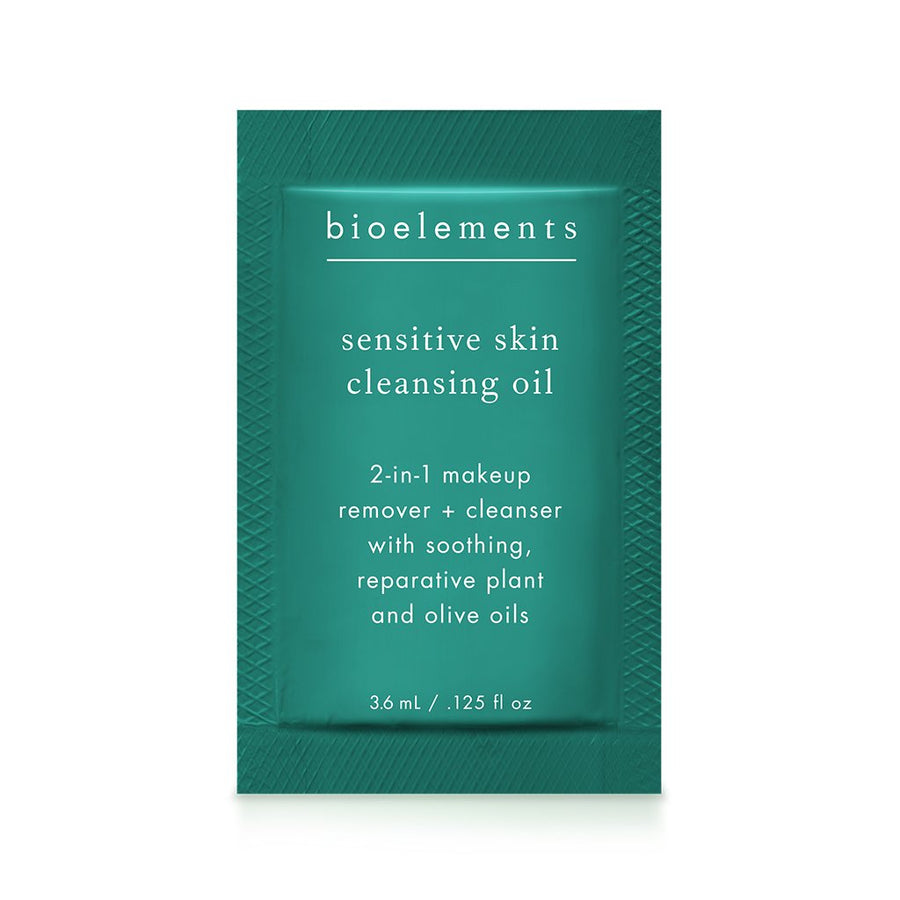
our estheticians recommend: sensitive skin cleansing oil -
Phase 2: Treatment Cleanse (Water-Based)
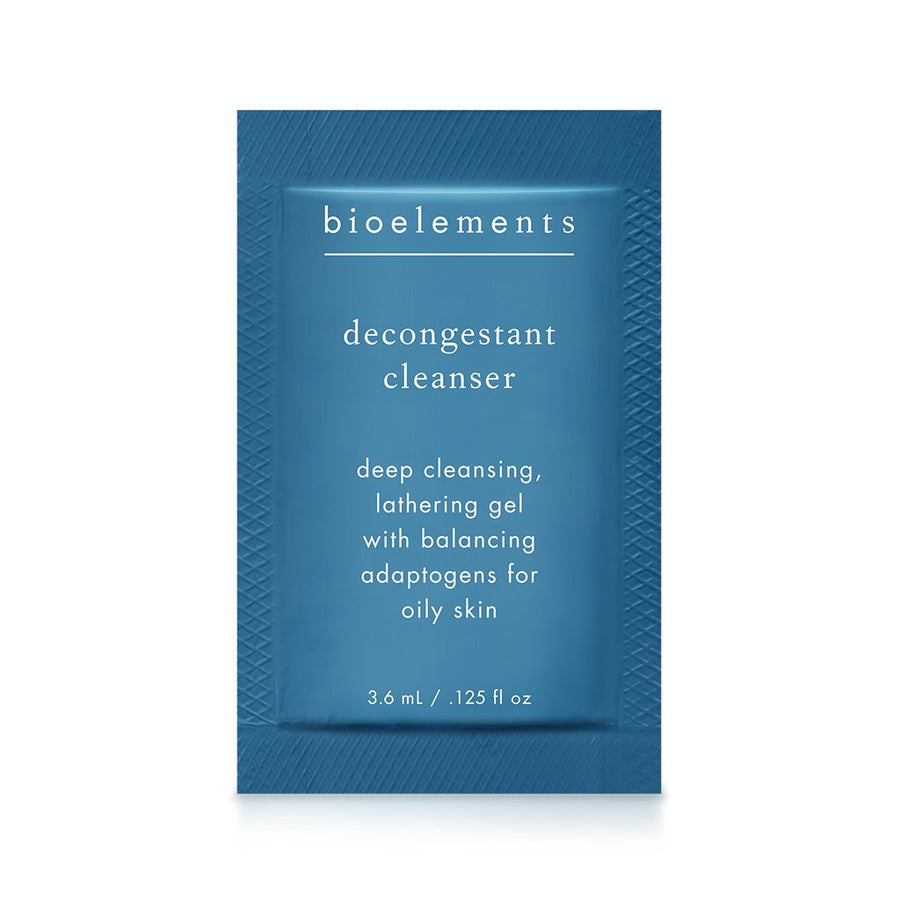
A skin-type-targeted cleanser purifies pores, removes impurities, and restores balance.
our estheticians recommend choosing a cleanser created for your skin type. see our picks here.
Together, these steps leave skin clean, comfortable, and resilient, never tight or over-stripping the barrier. This dual-phase approach supports healthier skin and helps every subsequent product perform better.
“Should I dual cleanse and how often?”
In the treatment room, estheticians often answer this question with another: What are you wearing on your skin every day?
If you wear foundation daily, use waterproof SPF, work out, or live in a city, a single cleanse often isn’t enough to fully remove buildup. And when buildup lingers, it can affect your serums and moisturizers from doing their job. In those cases, dual cleansing makes sense.
If you’re bare-faced most days, don’t layer heavy products, and your skin feels balanced after one cleanse, you likely don’t need to double cleanse as often, if at all. More cleansing doesn’t mean better skin – the goal is clean and comfortable, not tight or squeaky.
How often you dual cleanse should reflect exposure, not a hard rule you follow every night. Think about what your skin actually experienced that day. Heavier makeup? A high-intensity workout where sweat mixed with sunscreen and oil? That’s when to incorporate a Bioelements Barrier Cleanse. In those moments, you’re thoroughly removing buildup so it doesn’t affect your skin barrier.
But if you were bare-faced, worked from home, skipped heavy layering, and your skin feels balanced, one barrier-supportive cleanse that night is often enough.
Where people often get into skin trouble is turning dual cleansing into a nightly default, resulting in over-cleansing. The key is decoding what your skin needs each day. When cleansing is intentional and balanced, your barrier can stay strong.
FAQs: Dual cleansing
Do I need to dual cleanse every night?
Not always. Dual cleansing should reflect what your skin was exposed to that day. Heavier makeup, multiple SPF layers, or sweat mixed with product may call for it, while minimal product and low exposure often do not.
Is dual cleansing safe for acne-prone skin?
Yes. Any skin type can benefit from dual cleansing when exposure warrants it. The key is choosing formulas that match your skin’s needs and avoiding unnecessary repetition.
If my skin feels tight after cleansing, is that normal?
Tightness is often a sign of over-cleansing, meaning your skin barrier has been disrupted. Cleansing should leave skin feeling fresh and balanced, not stretched or squeaky.
about the skin journal by bioelements
The skin journal is Bioelements professional point of view on skin health, facials, and barrier-first care. Developed in collaboration with Bioelements estheticians and educators, each article translates skin biology, biomarkers, and treatment-room experience into clear, actionable guidance for real results. Grounded in decades of professional expertise, the skin journal reflects our belief that lasting skin transformation starts with decoding skin biology – not chasing trends.