
If your skin feels tight, dry, flaky or suddenly more reactive in the winter, it’s not random. Cold weather creates one of the harshest environments your skin faces all year, and your skin barrier is the first thing to feel it.
In fact, this seasonal shift has a name: winter xerosis, the clinical term for cold-weather skin changes caused by barrier disruption and environmental stress.
Why the skin barrier breaks down in winter
Cold weather creates the perfect conditions for moisture loss:
- Lower outdoor humidity means there’s less moisture in the air to support hydration
- Dry indoor heat pulls moisture out of the skin even faster.
As water escapes more easily, the hydrolipidic (skin) barrier starts to weaken. Comprised of water, sweat, skin cells and oil, this protective film acts as your skin’s security guard, preventing bad things from entering and protecting the good things within your skin. In winter, it has to work overtime just to stay balanced.
When the skin barrier isn’t fully supported, hydration doesn’t last. Skin can feel rough and tight, flaking becomes more noticeable, sensitivity and redness increase, and even breakouts can feel harder to manage.
The winter-focused routine that helps repair the barrier faster
Winter skin doesn’t need more steps, it needs the right steps, chosen specifically to counteract cold-weather moisture loss.
Step 1: Use a soothing cleansing oil
In winter, cleansing is often where barrier damage begins. Cold air and indoor heat already strip moisture from the skin, so using a cleanser that removes impurities without removing essential oils is critical. A cleansing oil cushions the skin as it cleans, helping preserve the skin barrier from the very first step and preventing that tight, dry feeling after washing.
Step 2: Restore balance with a hydrating toner
After cleansing, winter skin needs immediate replenishment. A hydrating toner helps restore balance and adds a quick wave of hydration that improves how well every product layered on top absorbs. This step is especially important in winter, when moisture loss happens faster and skin needs hydration support early in the routine.
Step 3: Gently remove winter buildup with a chemical exfoliator
Cold weather slows the skin’s natural renewal, allowing dull, dry buildup to linger on the surface. A gentle chemical exfoliator helps clear away this barrier-blocking buildup without disrupting the skin’s protective layers, so hydration can absorb more easily and skin stays smooth and comfortable.
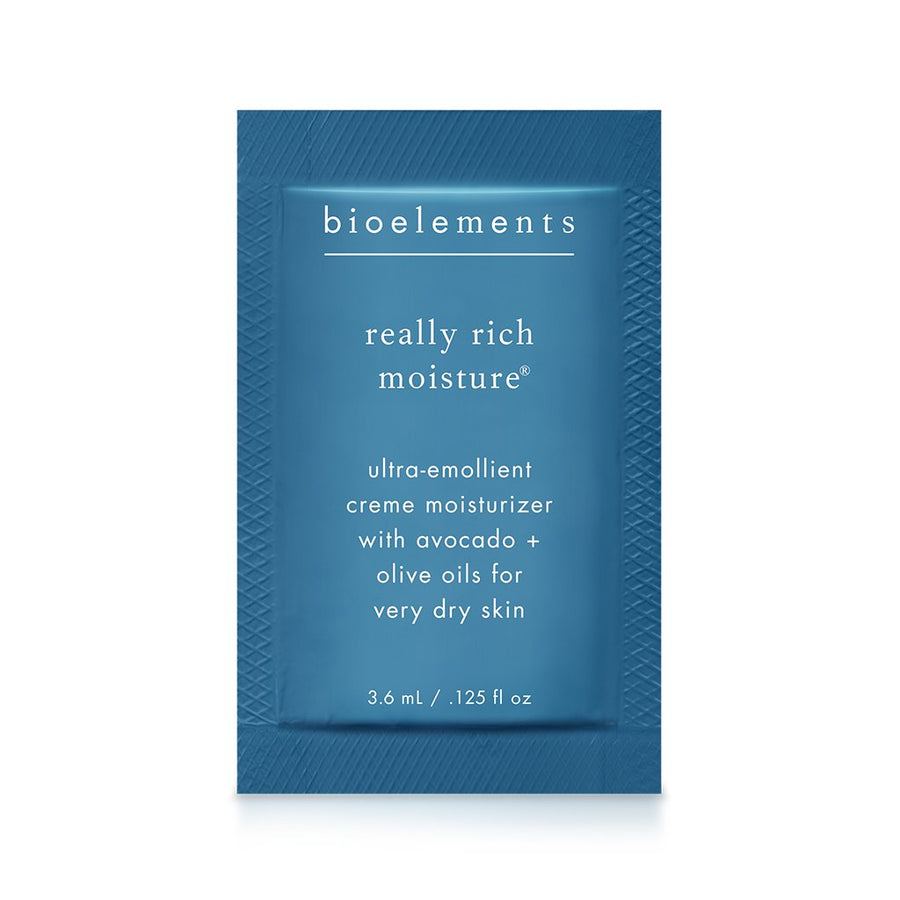
Step 4: Replenish with a rich moisturizer
Winter demands more than lightweight hydration. A rich moisturizer replenishes moisture lost to cold air and indoor heat while reinforcing the skin barrier so hydration stays put. Applying moisturizer within three minutes of cleansing is especially important in winter to help prevent moisture from escaping before it has a chance to absorb.
Step 5: Seal it in with a facial oil
In winter, sealing hydration becomes just as important as adding it. An occlusive facial oil helps lock in moisture and adds an extra layer of protection against environmental stress. This final step helps keep skin comfortable, resilient and less reactive throughout the day.
Why consistency matters in winter
Winter forces your skin barrier to work harder than any other season. When hydration is supported at every step and the barrier is reinforced consistently, skin is better able to stay balanced, calm and comfortable, despite harsh conditions.
By choosing barrier-supportive formulas and layering them strategically, you give your skin exactly what it needs to recover faster and stay healthy all winter long.
Pro picks featured in this article
Swipe through these esthetician-approved formulas.

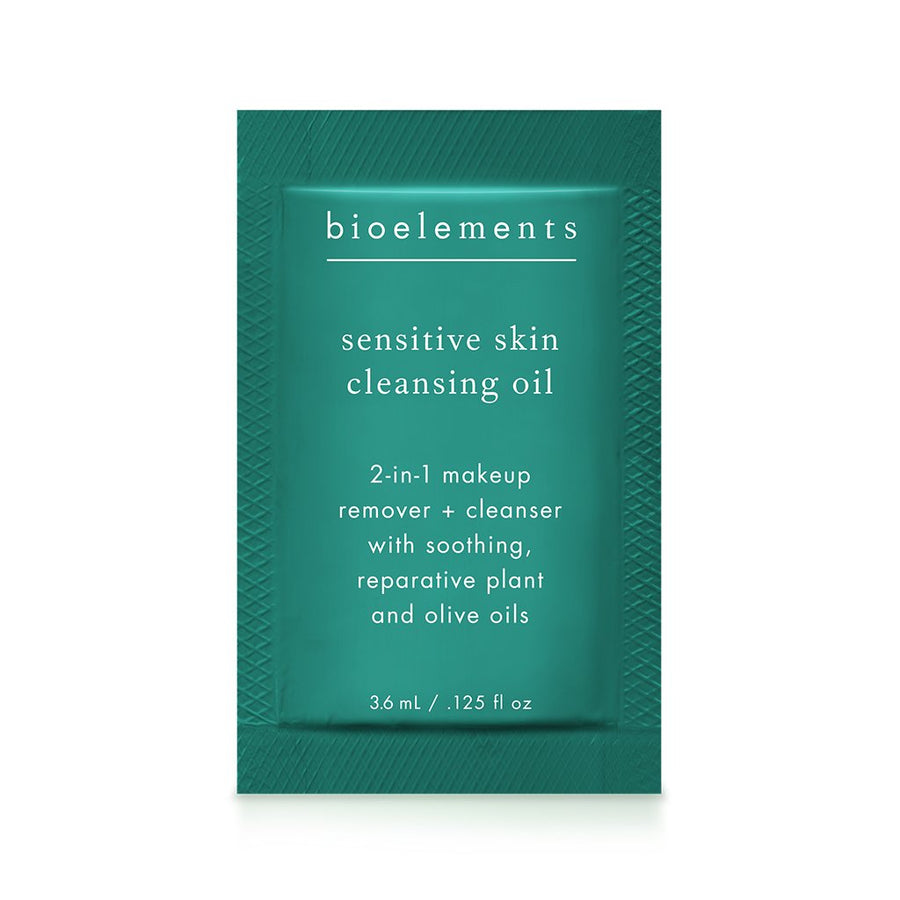
sensitive skin cleansing oil
a 2-in-1 makeup remover + cleanser with soothing, reparative plant and olive oils


really rich moisture
ultra-emollient creme moisturizer with avocado and olive oils for very dry skin