
Dehydrated skin isn't always obvious.
It can show up as tightness, dullness, sensitivity, rough texture or even excess oil. And while many people blame their products, the real culprit is often everyday exposure to things like sun, air conditioning, travel, workouts and pollution.
Here are some of the hidden skin dehydrators estheticians see most often.
Sun exposure
One of the biggest causes of dehydration is prolonged UV exposure. While most people associate sun exposure with sunburn, estheticians say UV exposure can also increase transepidermal water loss, making it harder for skin to retain hydration.
“As hydration levels decline, skin may feel tighter, rougher or more reactive,” says Emma Nowakowski, bioelements esthetician. “In some cases, skin may even appear oilier as it attempts to compensate for moisture imbalance. This is one reason post-sun skin care focuses heavily on hydration support and barrier recovery, not just soothing visible redness.”
Air conditioning
Air conditioning makes summer more comfortable, but it can create a challenging environment for skin. Conditioned air tends to have lower humidity levels, which can contribute to moisture loss over time. If you spend most of your day in air-conditioned spaces, your skin may gradually start feeling tight, dull or less comfortable even when temperatures outside are high.
Travel
Different climates, airplane cabins, changes in water quality, altered sleep schedules and routine disruption can all affect how efficiently skin functions.
“Your skin thrives on consistency,” explains Emma. “Travel changes nearly everything that helps maintain that balance.”
This is why skin often looks different during a trip or shortly after returning home. Dehydration frequently sits at the center of those changes, whether you're noticing dullness, sensitivity, congestion or a rougher texture.
Exercise
Exercise offers countless benefits for overall health, but intense sweating can also contribute to water loss.
“When hydration levels aren't adequately replenished, skin may begin feeling tight or depleted after workouts,” Emma says. “Sweat itself isn't the problem, but the issues arise when skin loses water faster than it can restore it.”
Supporting hydration before and after exercise can help maintain skin comfort and balance.
Swimming
If you're spending time in pools this summer, chlorine may be affecting how your skin feels.
“Repeated chlorine exposure can leave skin feeling tight, rough or less comfortable, particularly when combined with sun exposure and heat,” says Emma.
Many estheticians recommend focusing on gentle cleansing, hydration replenishment and barrier support after swimming to help restore balance.
Pollution
Environmental pollution can also affect the skin. Wildfire smoke, airborne particles and urban pollution can increase oxidative stress within the skin while placing additional demands on the skin barrier.
“When the barrier becomes stressed, skin may have a harder time maintaining optimal hydration levels,” says Emma. “Over time, this can contribute to dullness, sensitivity and overall skin discomfort.”
This is one reason estheticians often emphasize thorough cleansing alongside hydration support when environmental exposure is high.
What to do if your skin feels dehydrated
“Summer sun, heat and humidity can challenge your skin in unique ways,” says Beth Bialko, bioelements esthetician. “The goal is to protect and replenish the skin while keeping barrier function strong throughout the season.”
A simple hydration-focused routine often includes:
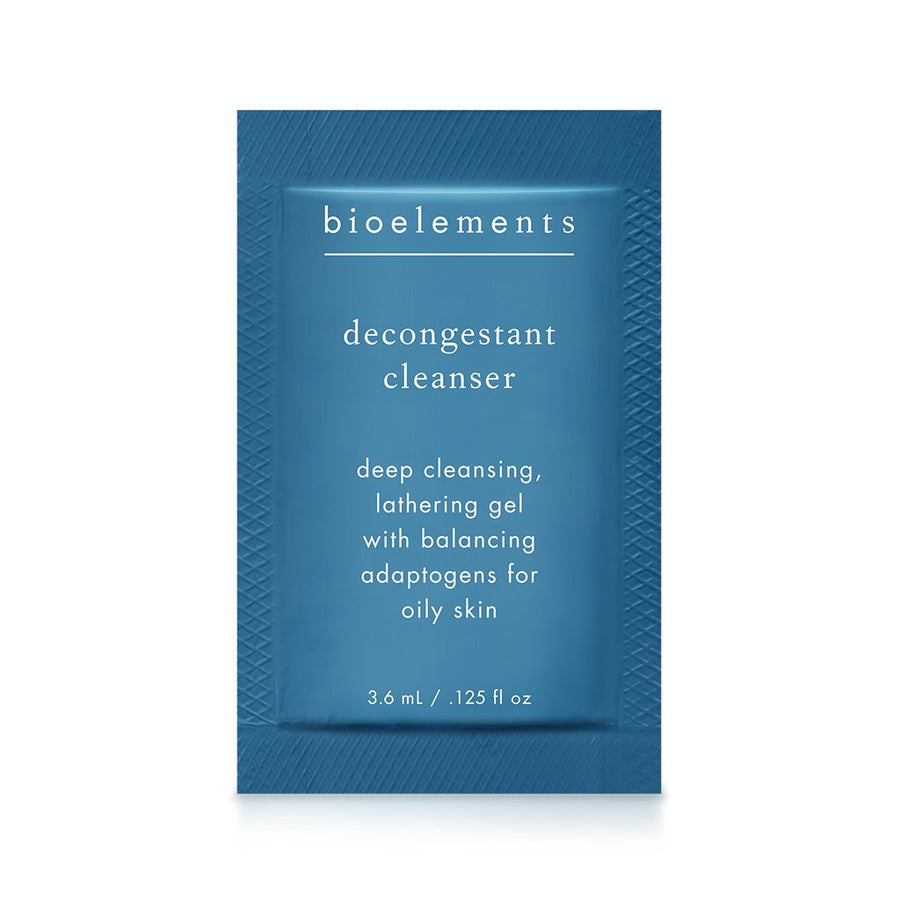
- A gentle cleanser that doesn't strip the skin
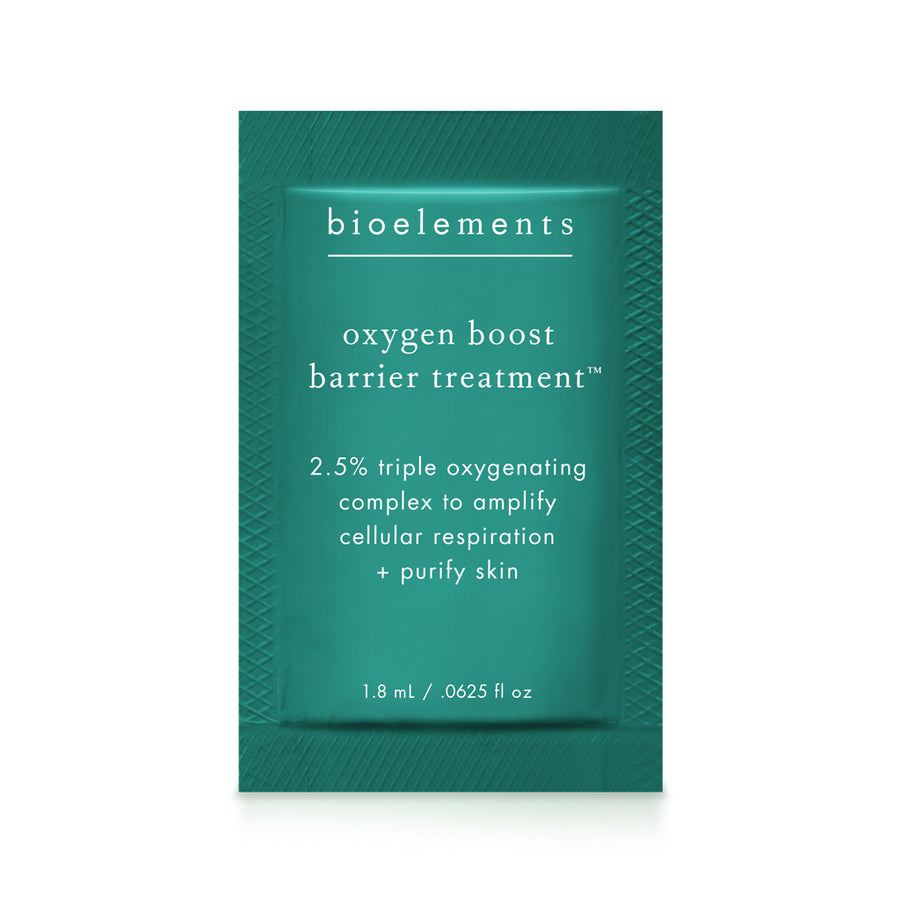
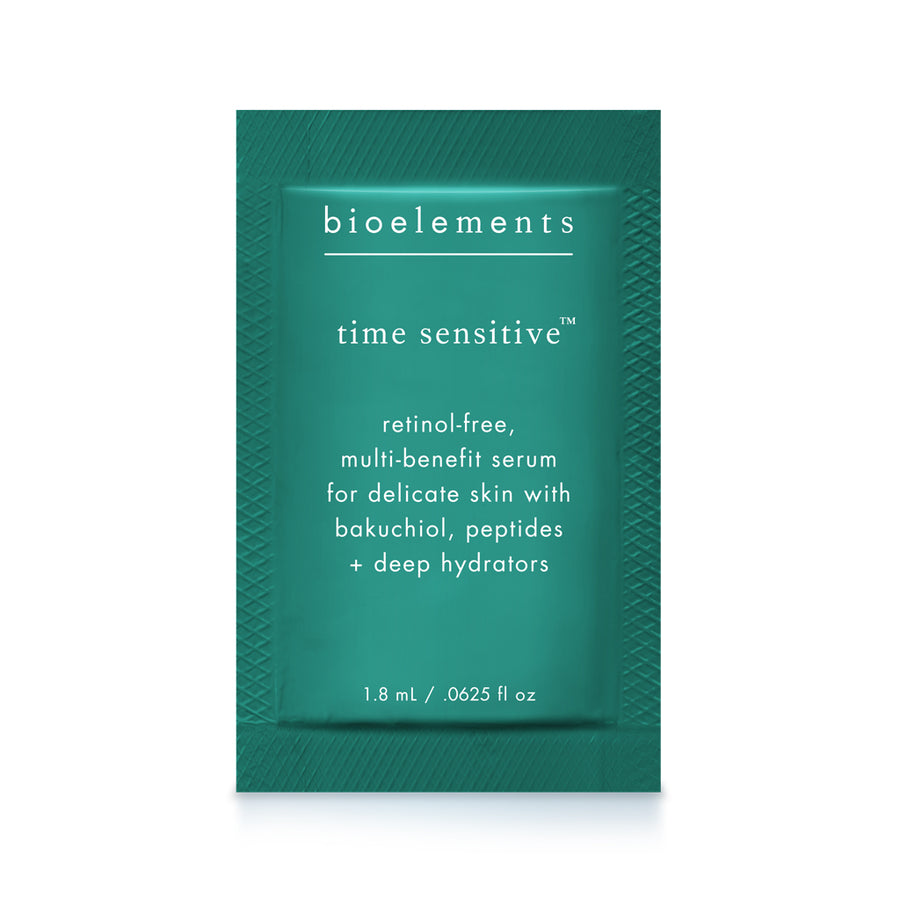
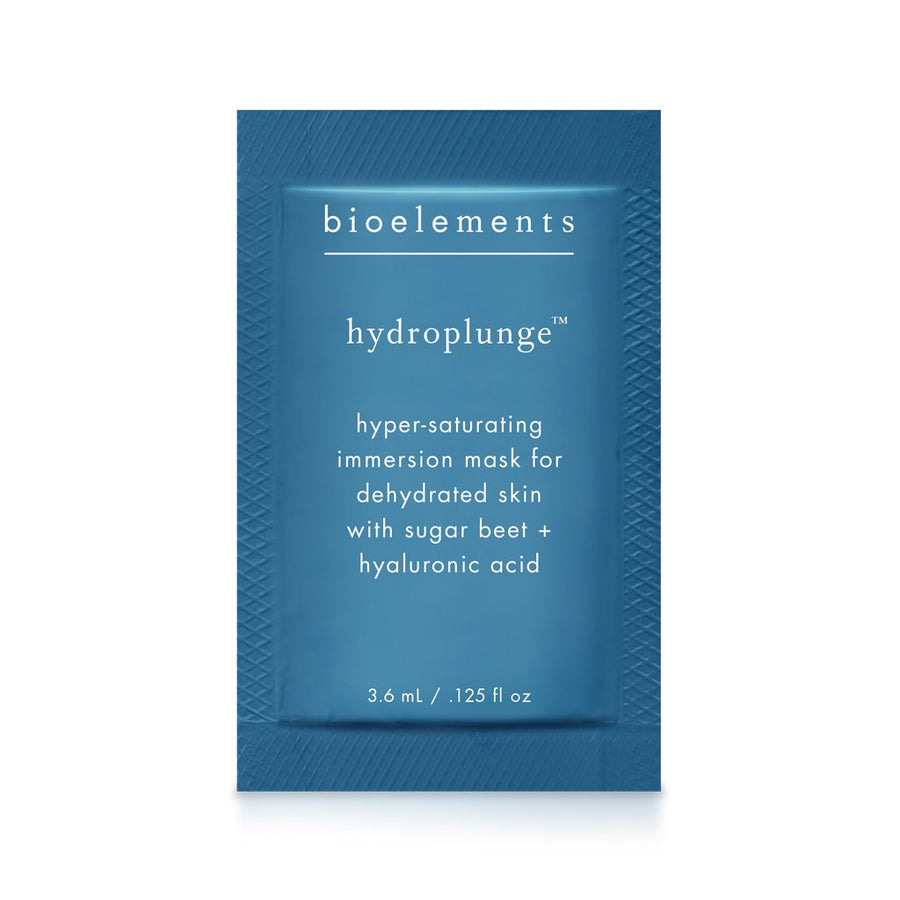
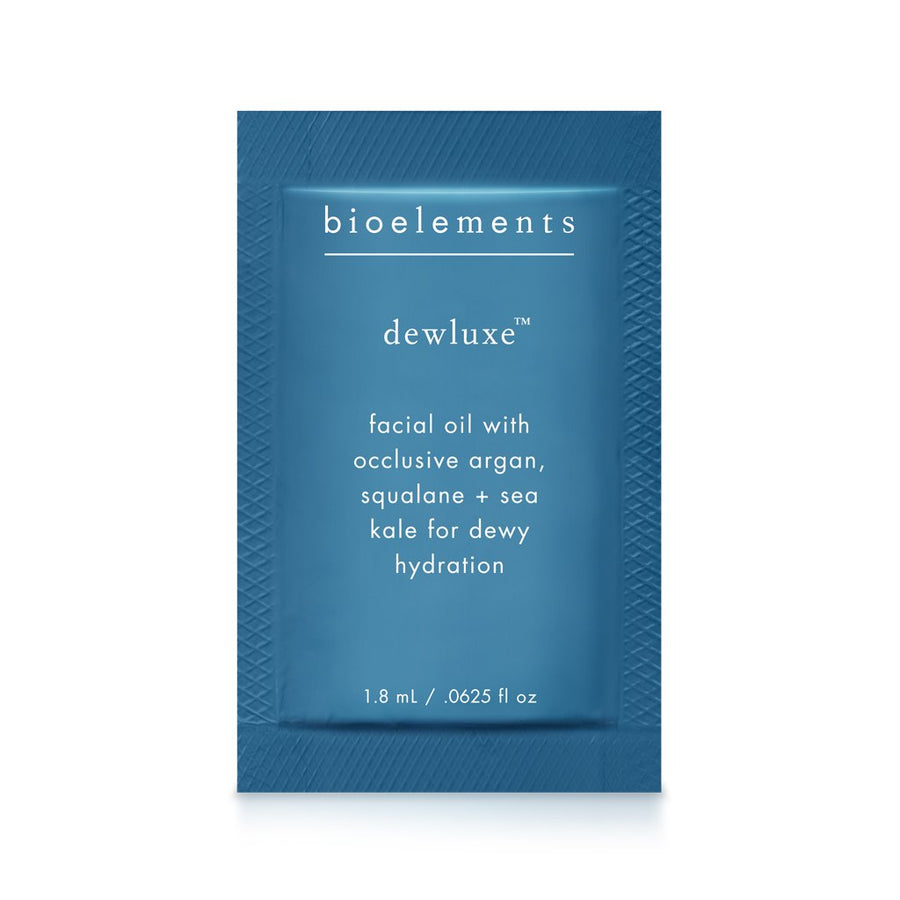
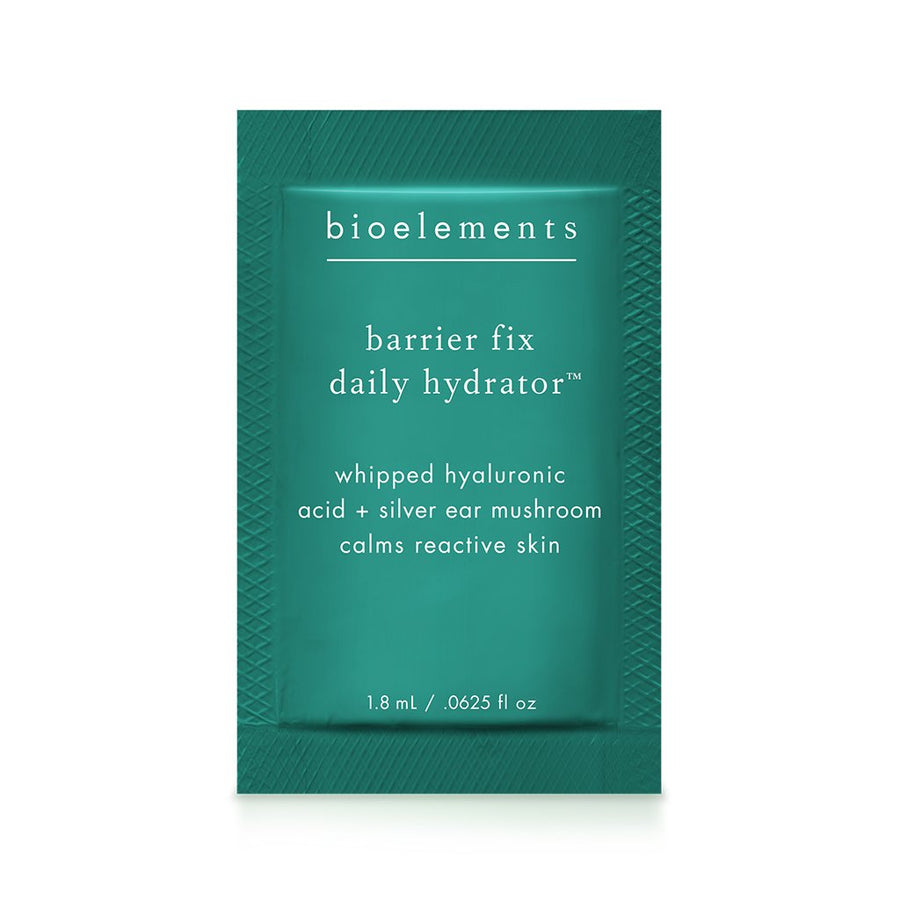
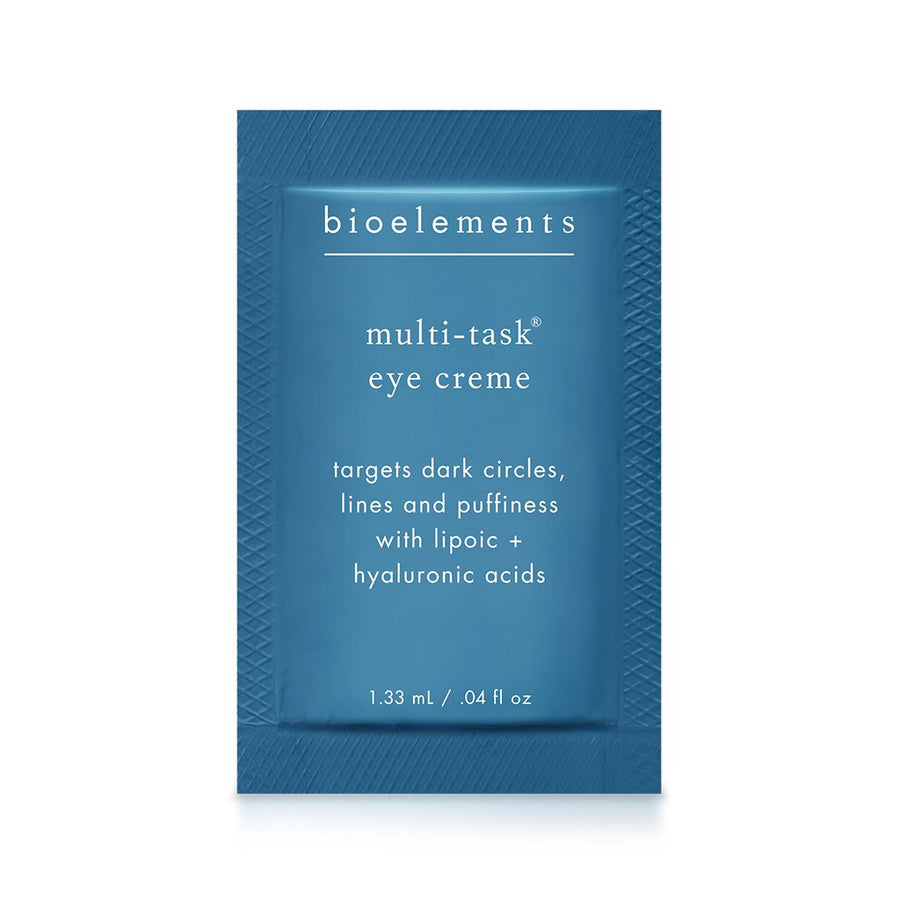
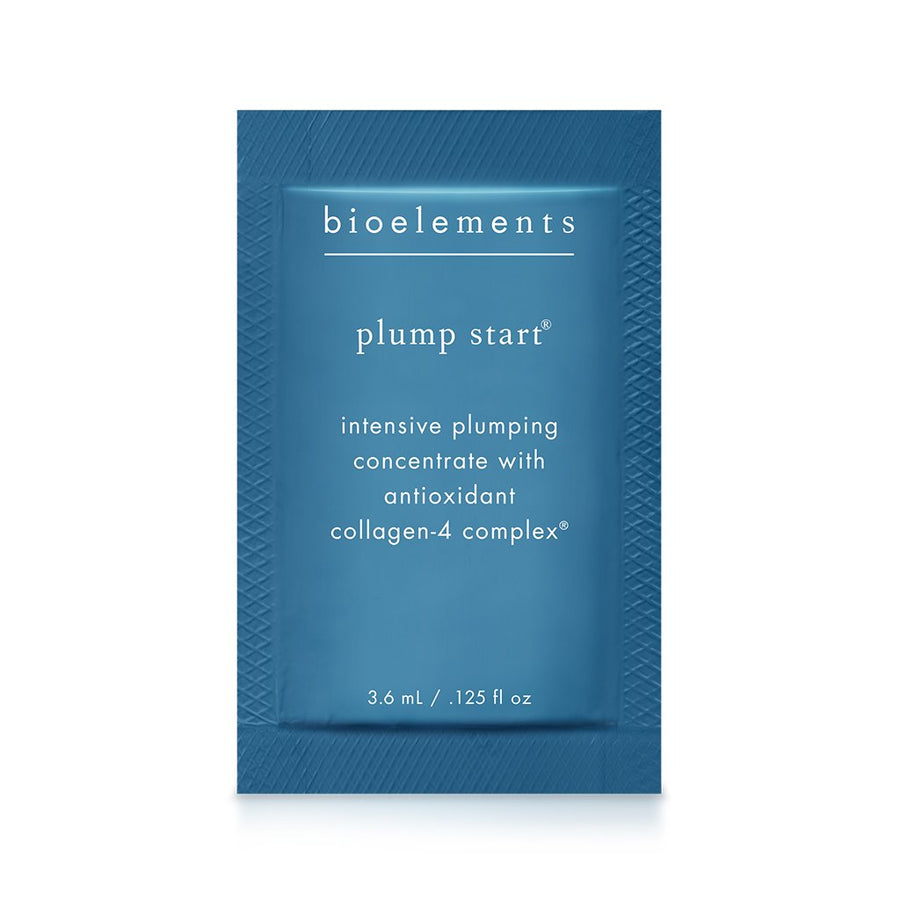
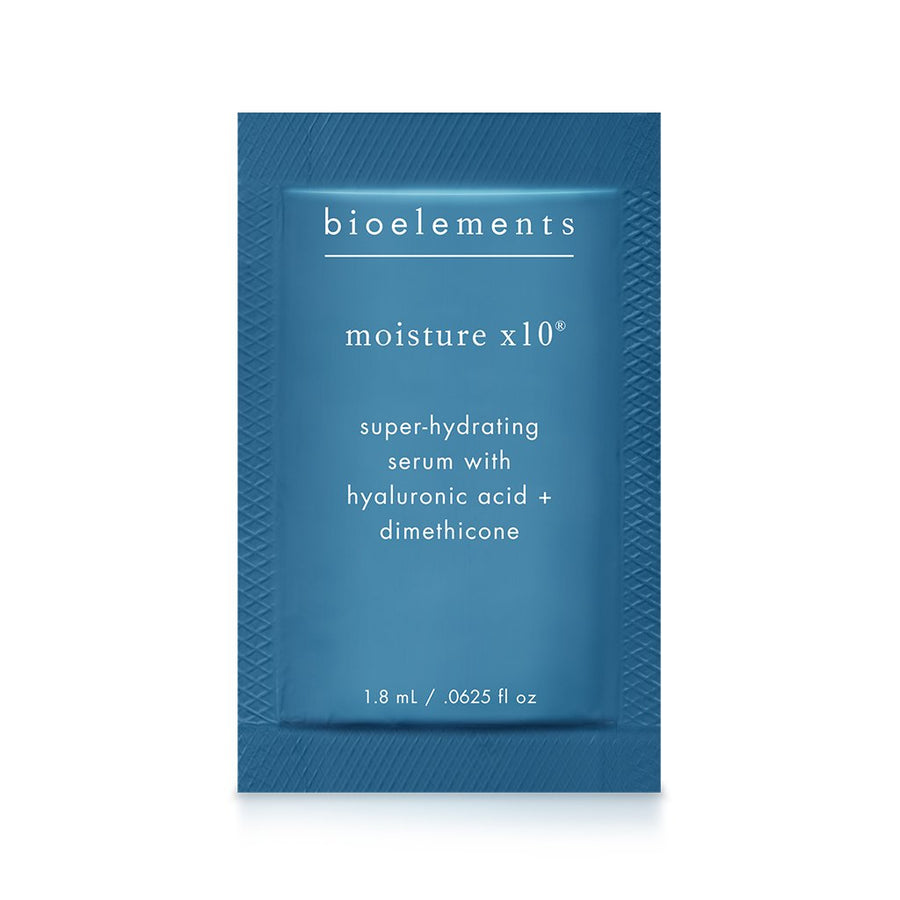
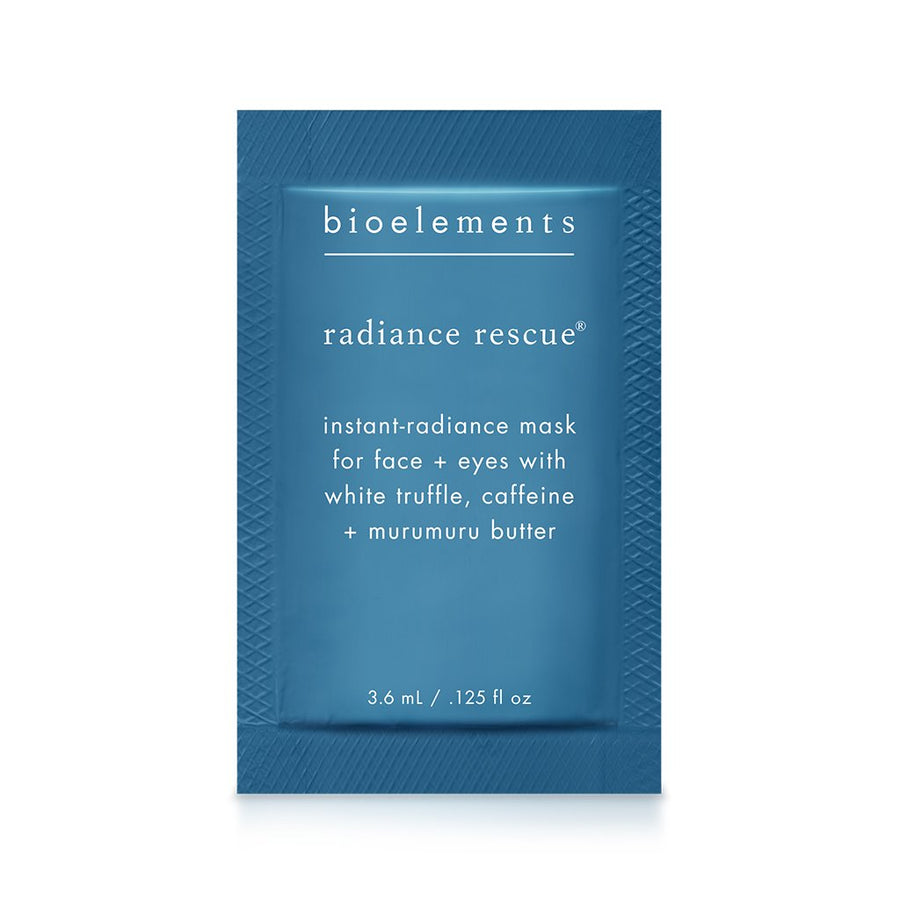
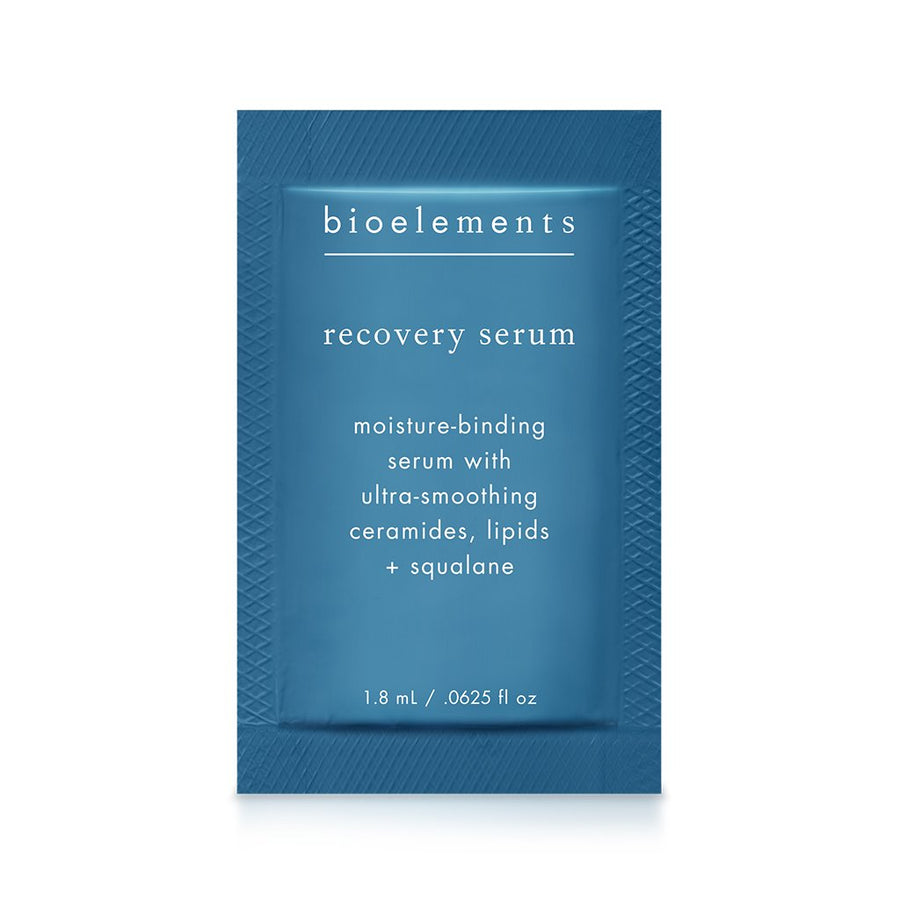
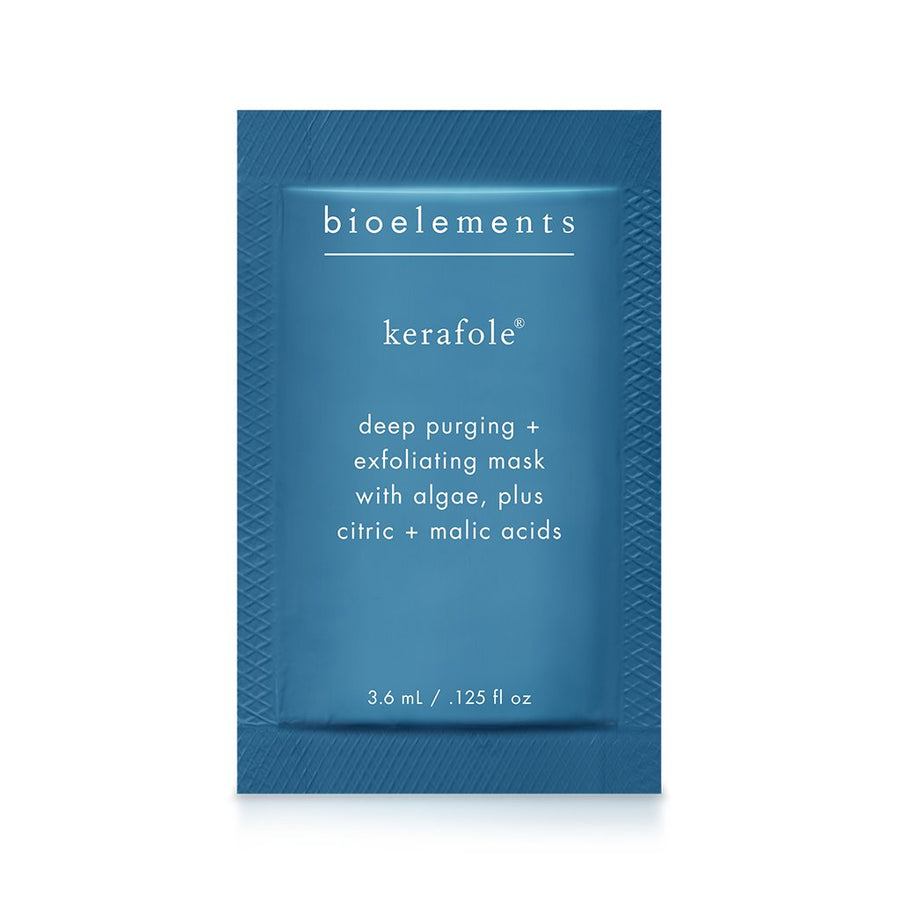
- Hydrating serums and masks that help replenish water levels
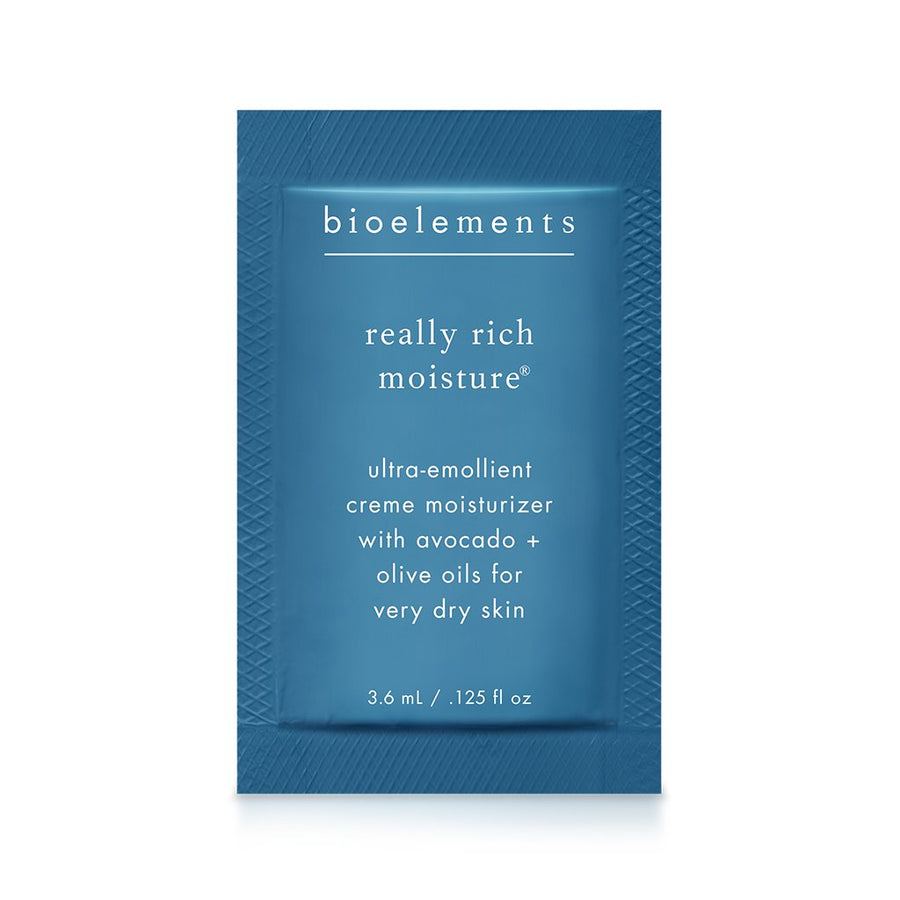
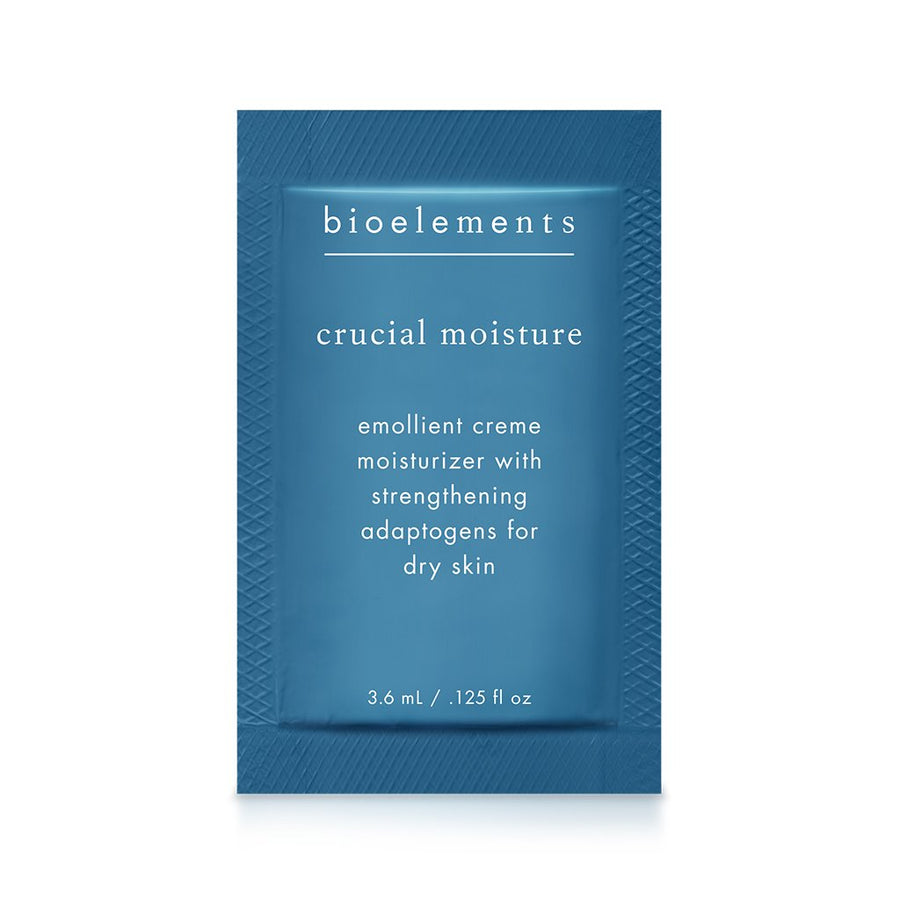
- Moisturizers that support barrier function
- Daily sunscreen to help prevent future dehydration triggers
FAQs: Skin dehydration causes
What are the signs of dehydrated skin?
Dehydrated skin can show up as tightness, dullness, sensitivity, rough texture or even excess oil.
Can sun exposure dehydrate your skin?
Yes, UV exposure can increase transepidermal water loss, making it harder for skin to retain hydration.
Why does my skin feel oilier after being in the sun?
Skin may appear oilier as it attempts to compensate for moisture imbalance caused by dehydration.
Does air conditioning dry out skin?
Air conditioning can contribute to moisture loss because conditioned air tends to have lower humidity levels.
Why does my skin look different when I travel?
Changes in climate, water quality, sleep and routine can affect how efficiently skin functions and maintains hydration.
Can exercise dehydrate skin?
Yes, skin can become dehydrated when it loses water faster than it can restore it during and after exercise.
Does chlorine dry out skin?
Repeated chlorine exposure can leave skin feeling tight, rough or less comfortable, especially when combined with sun exposure and heat.
about the skin journal by bioelements
The skin journal is Bioelements professional point of view on skin health, facials, and barrier-first care. Developed in collaboration with Bioelements estheticians and educators, each article translates skin biology, biomarkers, and treatment-room experience into clear, actionable guidance for real results. Grounded in decades of professional expertise, the skin journal reflects our belief that lasting skin transformation starts with decoding skin biology – not chasing trends.