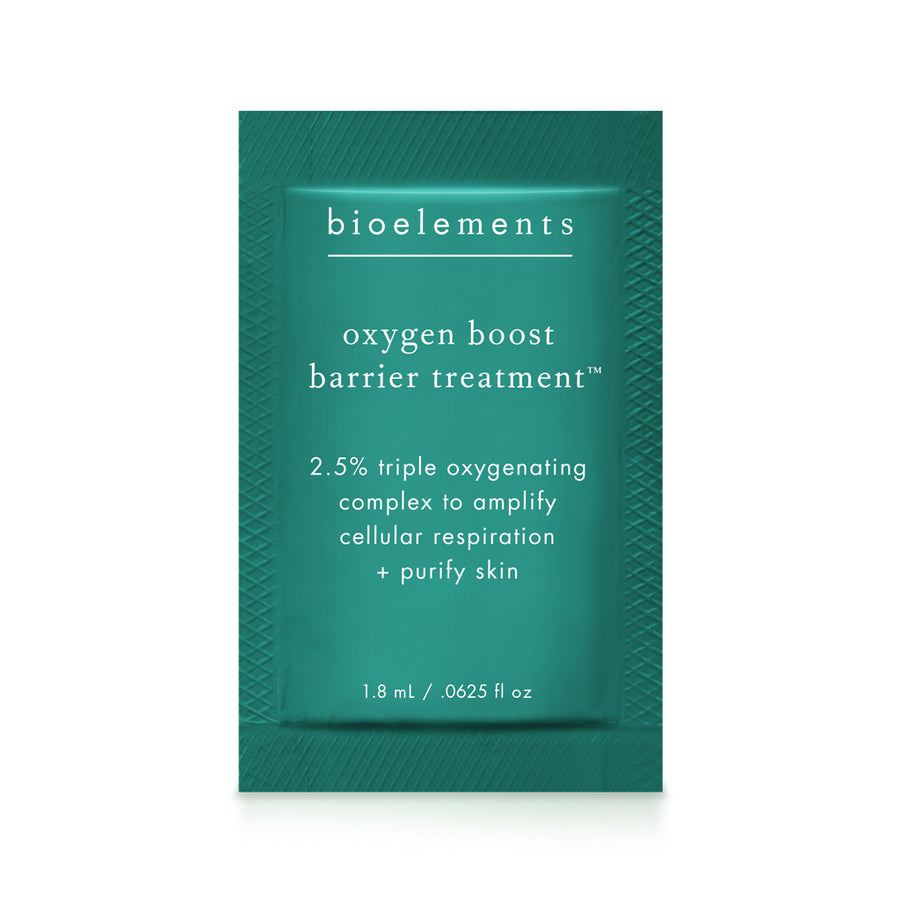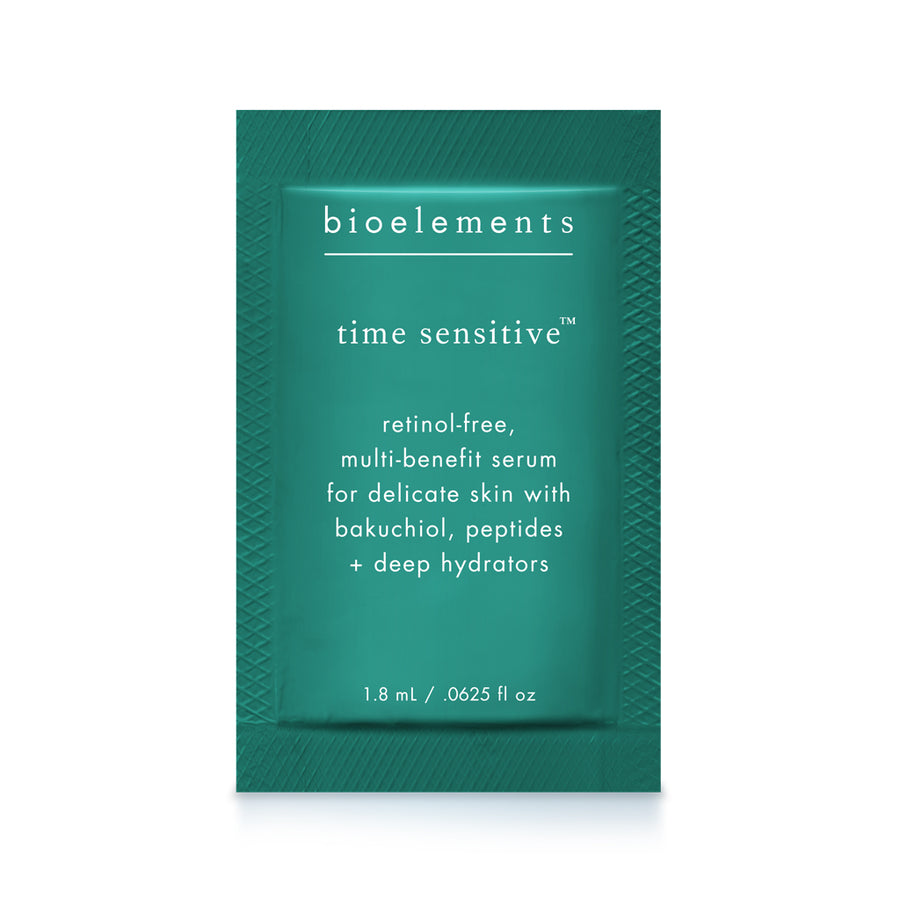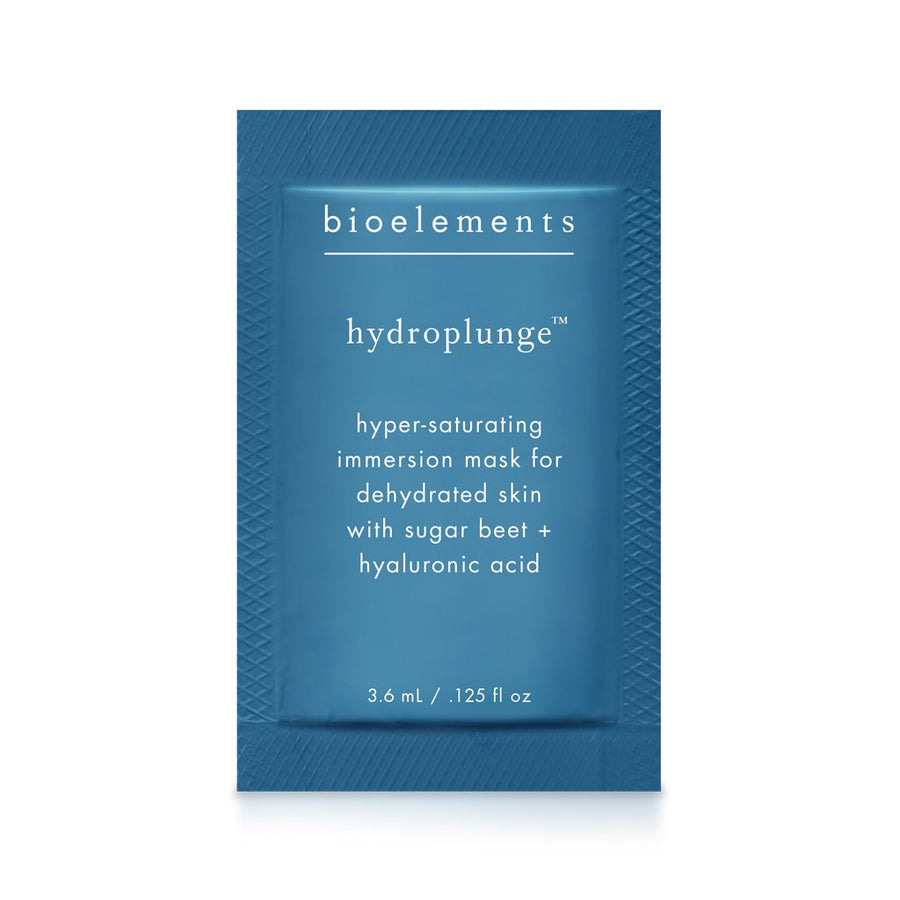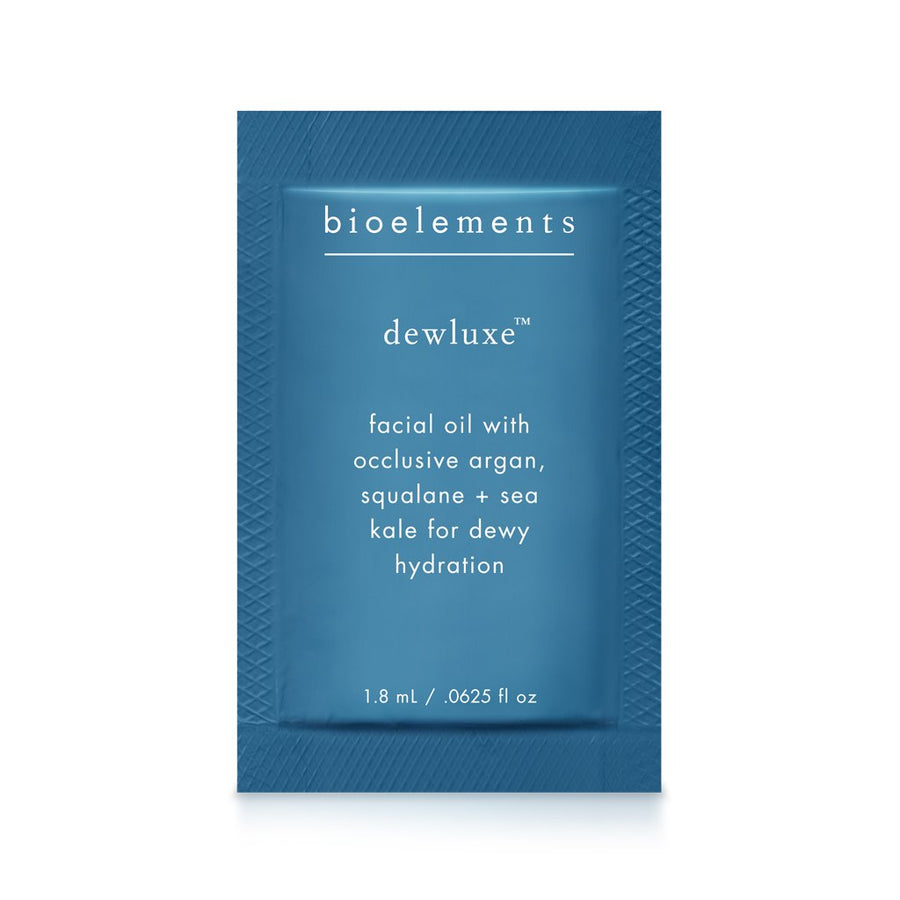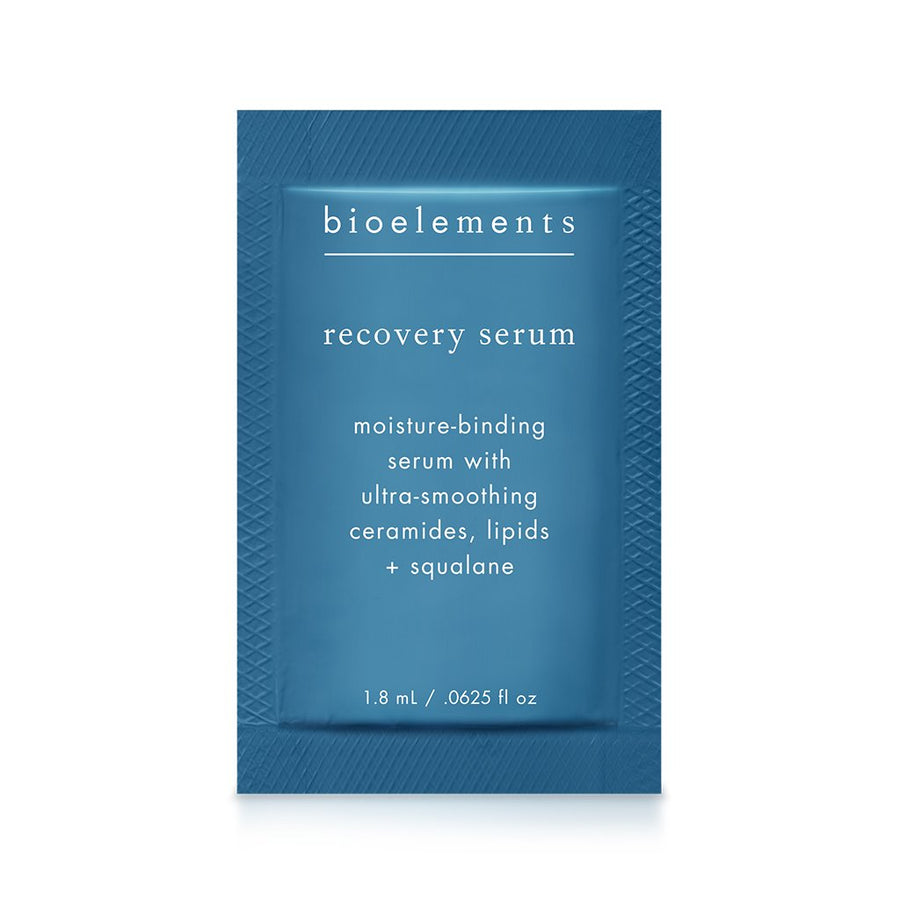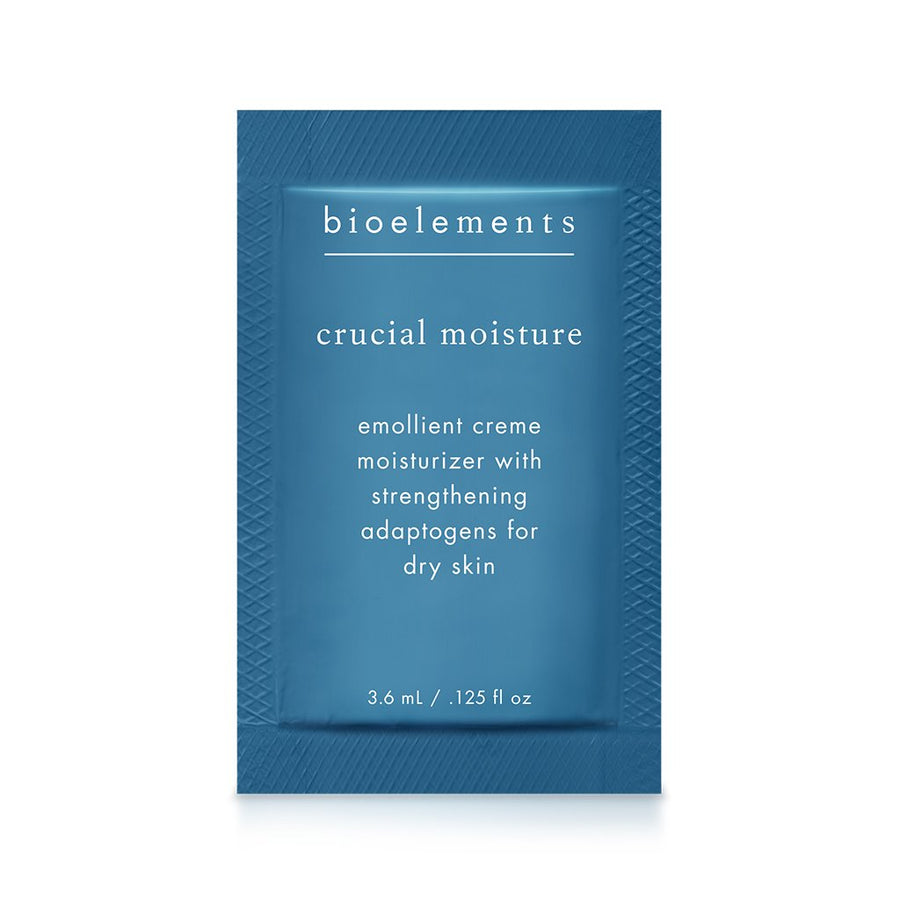

Your skin doesn’t have to look damaged to be damaged by the sun.
After any prolonged sun exposure, skin can become dehydrated, inflamed or more reactive, even if you don’t see a visible sunburn. For many estheticians, this kind of recovery support becomes part of a summer skin reset, or adjusting skin care to support how skin changes throughout the season.
UV exposure effects on skin
“One of the biggest effects of prolonged sun exposure is increased transepidermal water loss within the skin,” says Beth Bialko, bioelements esthetician. “As hydration levels drop, skin can start feeling tighter, rougher or more reactive. In some cases, skin may also become oilier or more congestion-prone as it tries to compensate for that imbalance.”
It’s similar to the shifts estheticians often see while traveling. Changes in climate, environmental exposure and daily routine can all affect how efficiently the skin barrier functions, which is why skin may suddenly feel off even when nothing dramatic looks visibly wrong.
When barrier function becomes compromised, skin is typically less efficient overall, not just at retaining hydration, but also at staying resilient against environmental stress.
What our pros say your skin needs after UV exposure
1. Dual cleanse
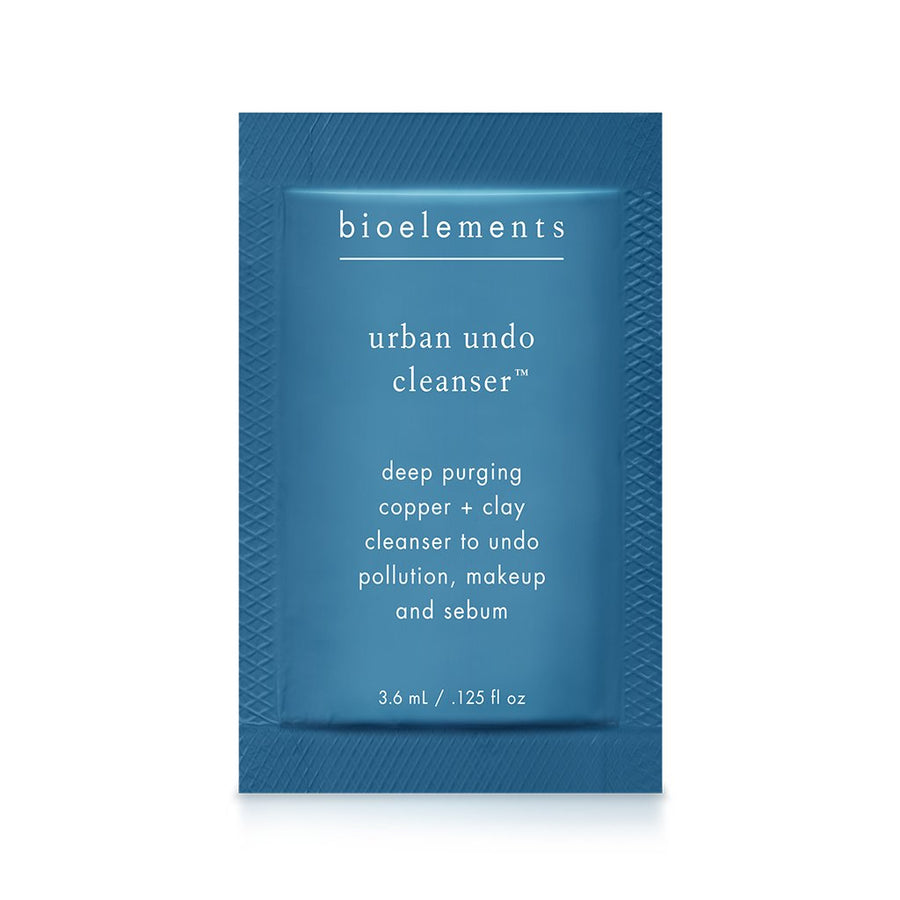
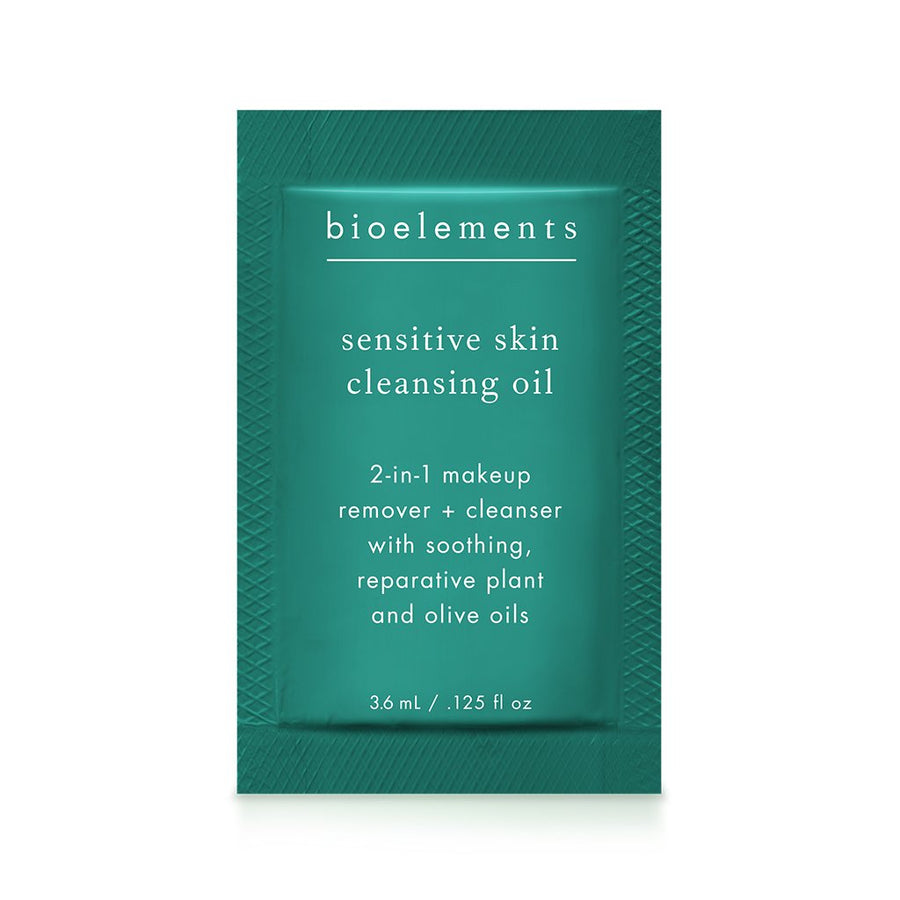
During summer, skin is often dealing with layers of sunscreen, sweat, excess oil and pollution by the end of the day. That’s why estheticians recommend dual cleansing after prolonged sun exposure. The first cleanse is oil-based and designed to melt away makeup, SPF, and surface buildup. The second cleanse is water-based and chosen based on your skin type and concerns.
But barrier support still matters during cleansing. Over-cleansing or using harsh cleansers after UV exposure can leave skin feeling even more depleted afterward. The goal is skin that feels clean, balanced and comfortable, not stripped.
2. Shift hydration
“UV exposure, heat and over-cleansing can all increase water loss within the skin while simultaneously making skin appear oilier on the surface,” explains Beth. “That imbalance is part of why skin may suddenly start feeling rougher, tighter or more reactive during summer months.”
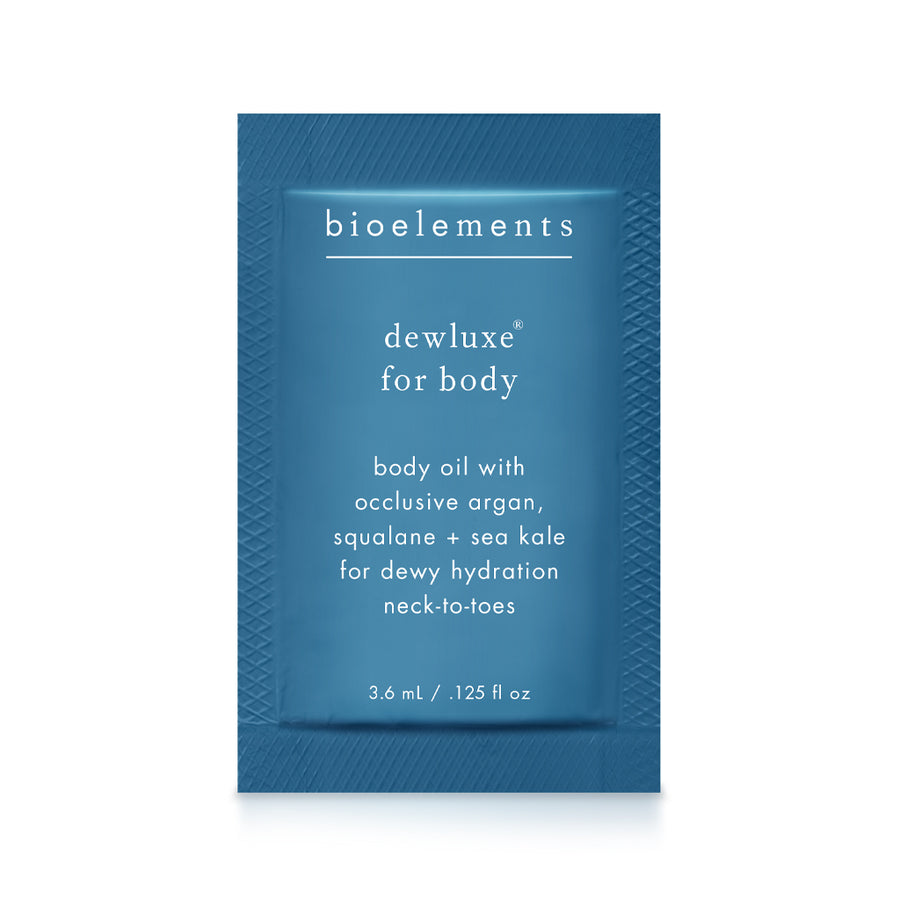
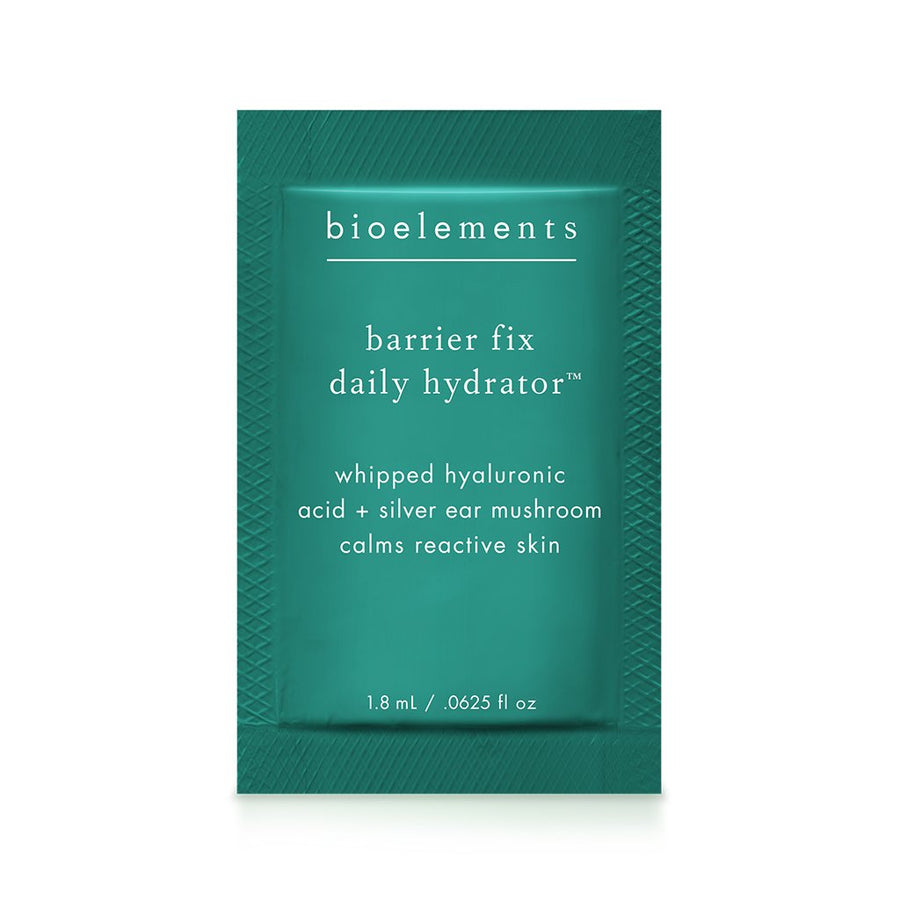
This is why estheticians often recommend shifting hydration strategies seasonally instead of relying on the exact same routine year-round. Post-sun skin care focuses on replenishing hydration while helping skin retain moisture more effectively afterward. Humectants like hyaluronic acid and sodium hyaluronate are common ingredients recommended during this time because they help support a healthier moisture balance.
3. Avoid exfoliation
After prolonged sun exposure, skin is often left in a more inflammation-prone state overall.
This is why redness, sensitivity and irritation can become easier to trigger during summer, especially when skin is already dehydrated or barrier-compromised.
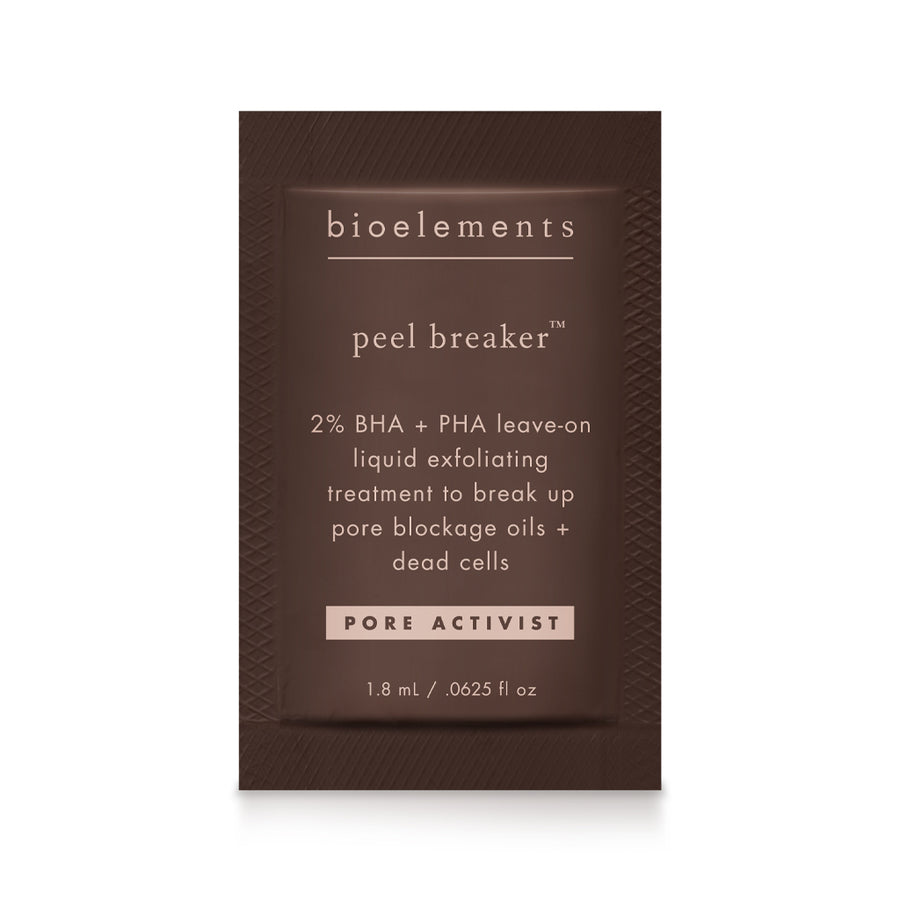
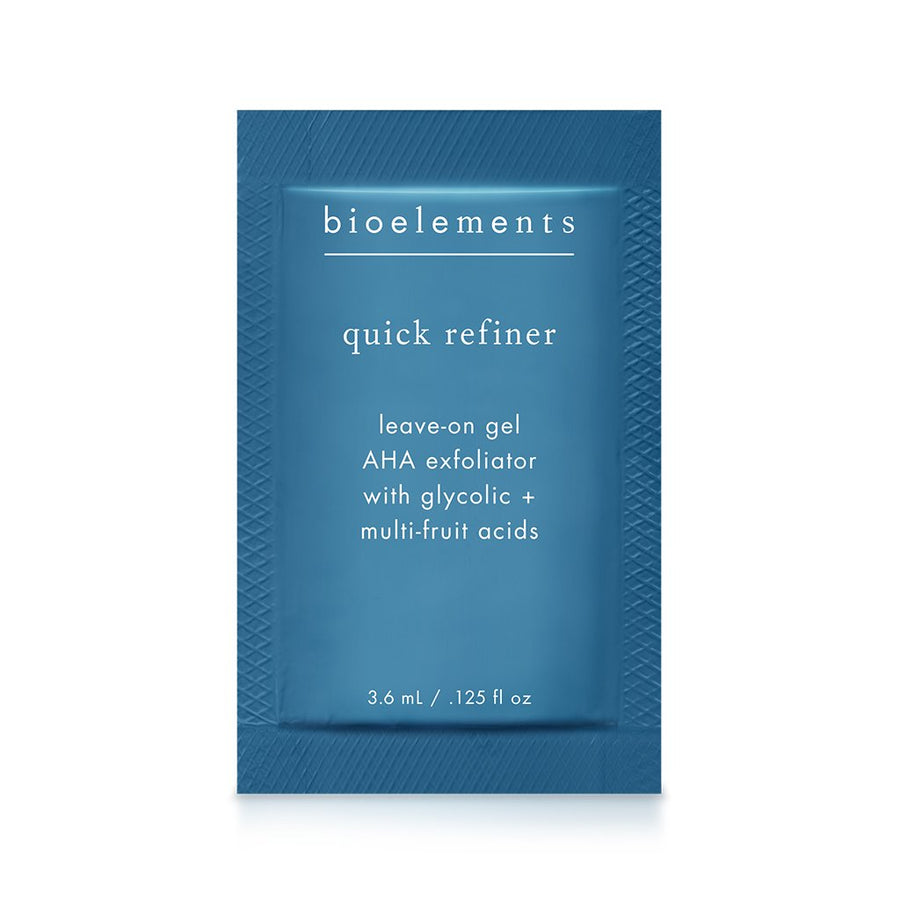
It’s also why estheticians typically recommend avoiding aggressive exfoliation immediately afterward. When barrier function is already weakened, strong acids, rough scrubs and overly intensive treatments can sometimes increase visible irritation even further. Instead, post-sun routines are usually focused on calming visible stress within the skin while supporting recovery simultaneously.
4. Overnight recovery
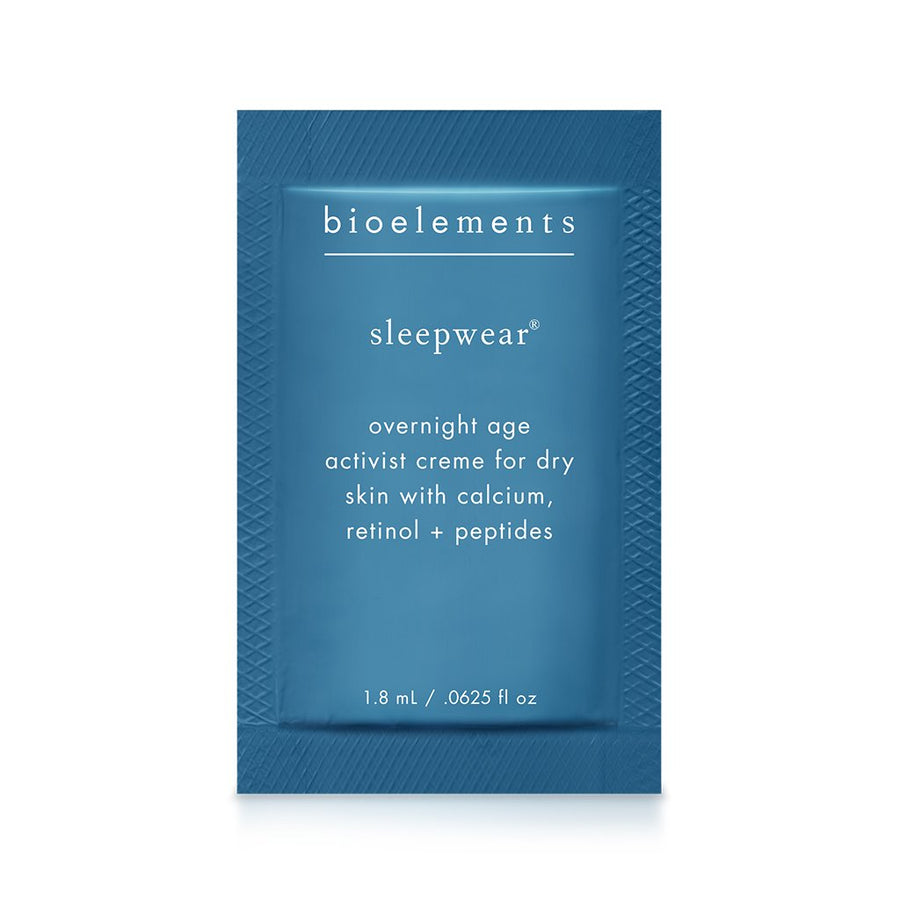
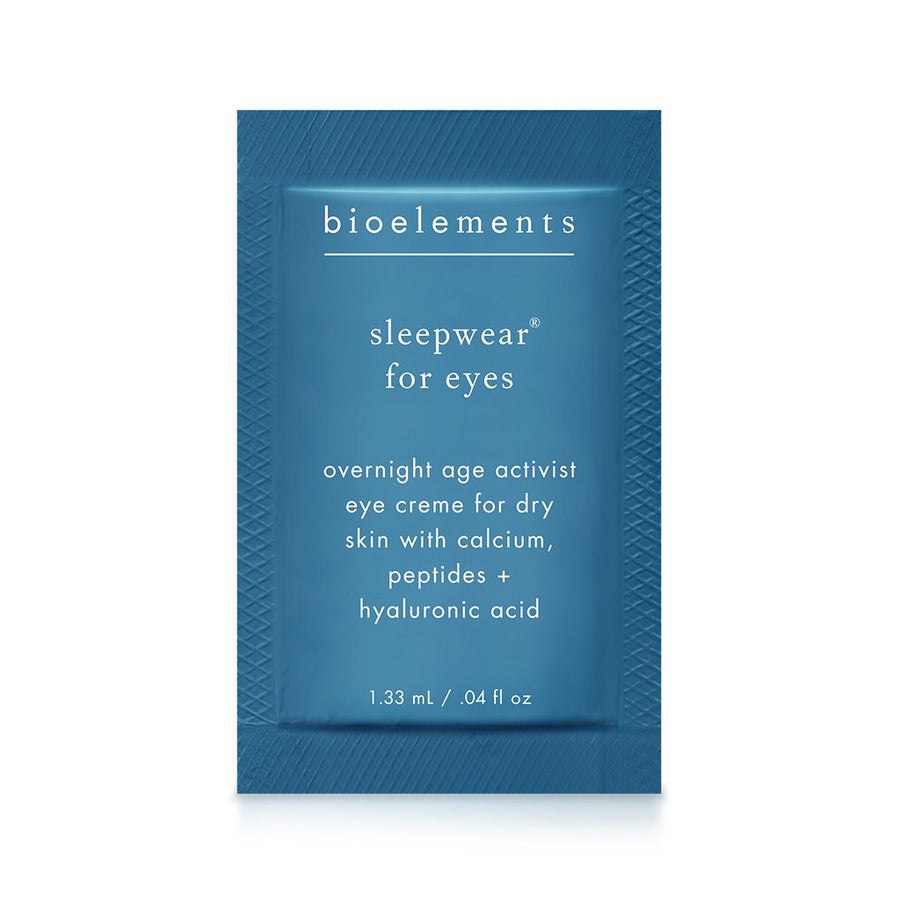
Nighttime is when skin naturally shifts into recovery mode, making evening skin care especially important after UV exposure. This is where estheticians focus most heavily on hydration support, calming care and moisture recovery designed to help skin feel more balanced by morning. If skin suddenly feels tighter, rougher or more reactive after time in the sun, that’s often a sign the barrier needs recovery support rather than stronger correction.
FAQs: Post-sun barrier repair
Can skin be sun-damaged without a visible sunburn?
Yes. Skin can become dehydrated, inflamed and barrier-compromised after sun exposure even without visible redness or burning.
Why does skin sometimes feel oilier after being in the sun?
As hydration levels drop, skin may produce more oil to compensate for moisture imbalance.
Why do estheticians recommend dual cleansing after sun exposure?
Dual cleansing helps remove sunscreen, sweat, excess oil and pollution more thoroughly without over-stripping the skin.
Should you exfoliate after prolonged sun exposure?
Estheticians typically recommend avoiding aggressive exfoliation immediately after UV exposure because skin is often more inflammation-prone and reactive.
Why does skin feel tighter after being in the sun?
UV exposure and heat can weaken barrier function and increase water loss, which often leaves skin feeling tight or rough.
What does skin need after prolonged sun exposure?
Post-sun skin care focuses on hydration support, barrier recovery and calming visible skin stress.
Why is nighttime skin care important after UV exposure?
Skin naturally shifts into recovery mode overnight, making evening hydration and barrier support especially important after sun exposure.
What is a summer skin reset?
A summer skin reset is adjusting skin care to support hydration, barrier function and skin balance during heat, humidity and increased UV exposure.
about the skin journal by bioelements
The skin journal is Bioelements professional point of view on skin health, facials, and barrier-first care. Developed in collaboration with Bioelements estheticians and educators, each article translates skin biology, biomarkers, and treatment-room experience into clear, actionable guidance for real results. Grounded in decades of professional expertise, the skin journal reflects our belief that lasting skin transformation starts with decoding skin biology – not chasing trends.