
If the idea of Botox has piqued your interest lately, you’re likely starting to notice those small shifts, like lines that don’t fade as quickly or skin that feels a little less firm.
Some people may jump straight to injectables at this point, but in the treatment room, that’s not actually where the conversation starts. It starts with your skin health.
What injectables target
Injectables and skin care work on completely different levels. Injectables, like Botox, are neuromodulators designed to target and prevent muscle movement. Repeated expressions like frowning, squinting, or raising your brows gradually create lines in the skin, and Botox softens those movements so lines appear smoother. What it doesn’t do is change the skin itself. It doesn’t rebuild collagen, refine texture or restore the firmness and resilience that give skin its smooth, lifted look.
The changes most people notice, like lines that linger, skin that looks less firm, or texture that feels uneven, are tied to what’s happening within the skin. As collagen production slows, the internal support system becomes less structured. Skin doesn’t hold itself the same way, so the same expressions begin to leave a more visible imprint. This is where skin care plays a critical role before injectables.
What skin care targets
By understanding the structure and function of the skin, you can lessen the appearance of those lines in the first place. Supporting collagen and elastin helps improve firmness, while encouraging healthy renewal refines texture and tone.
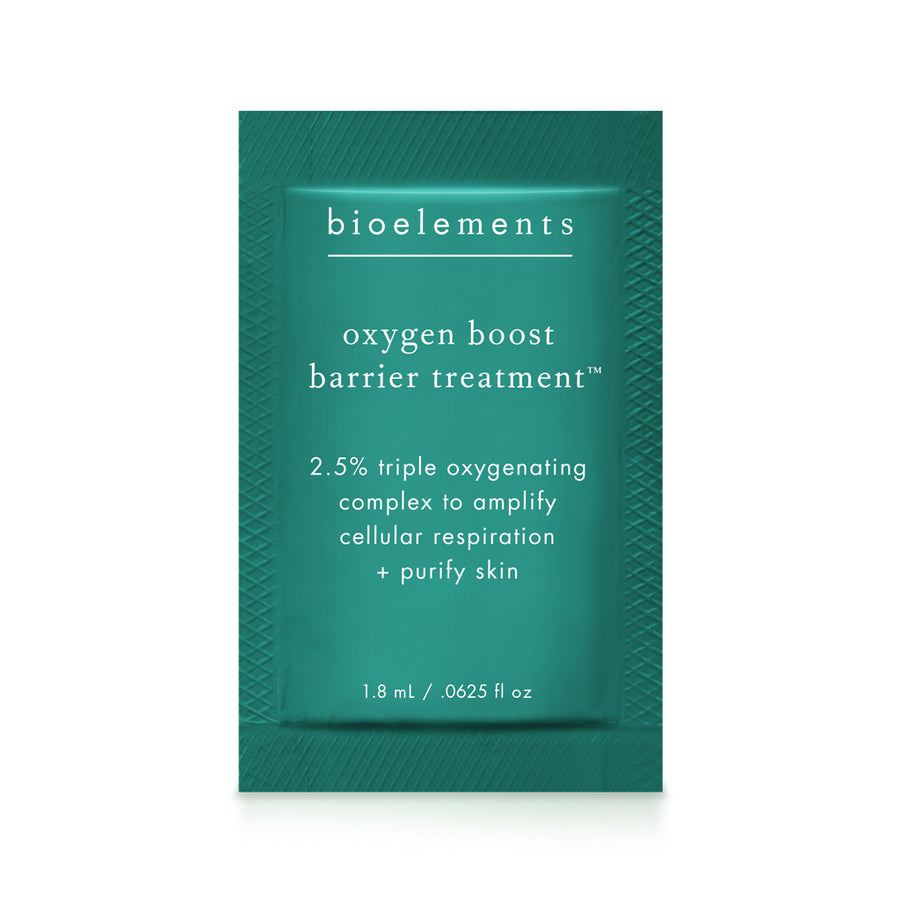
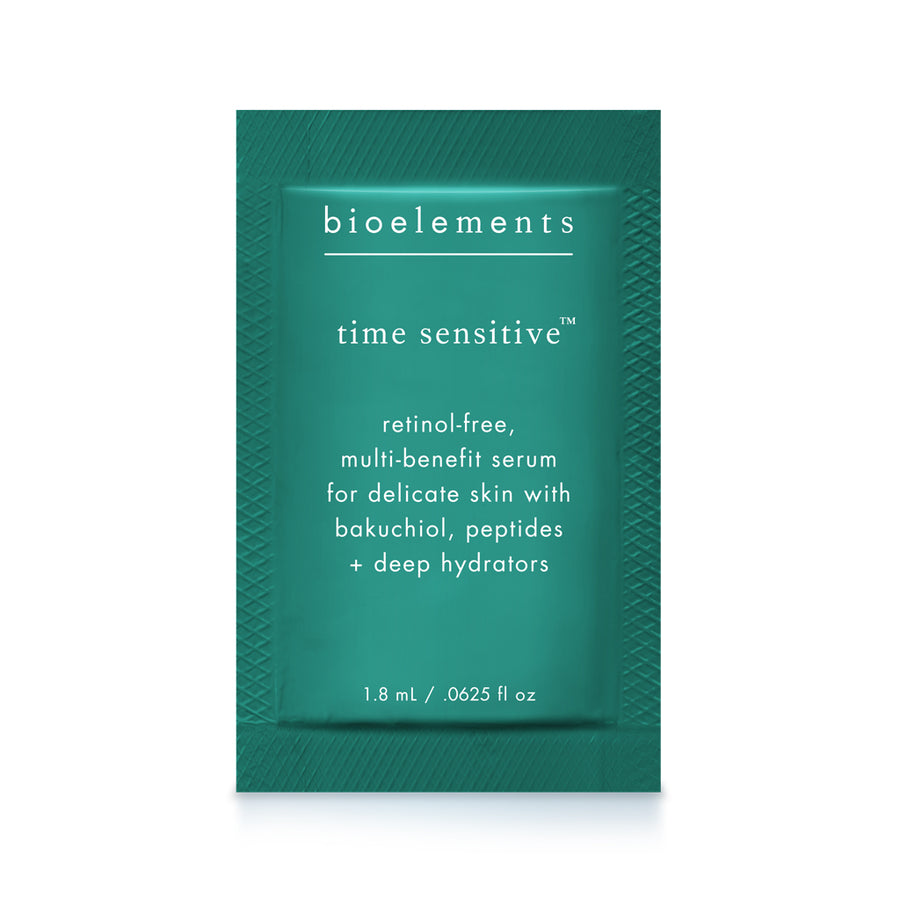
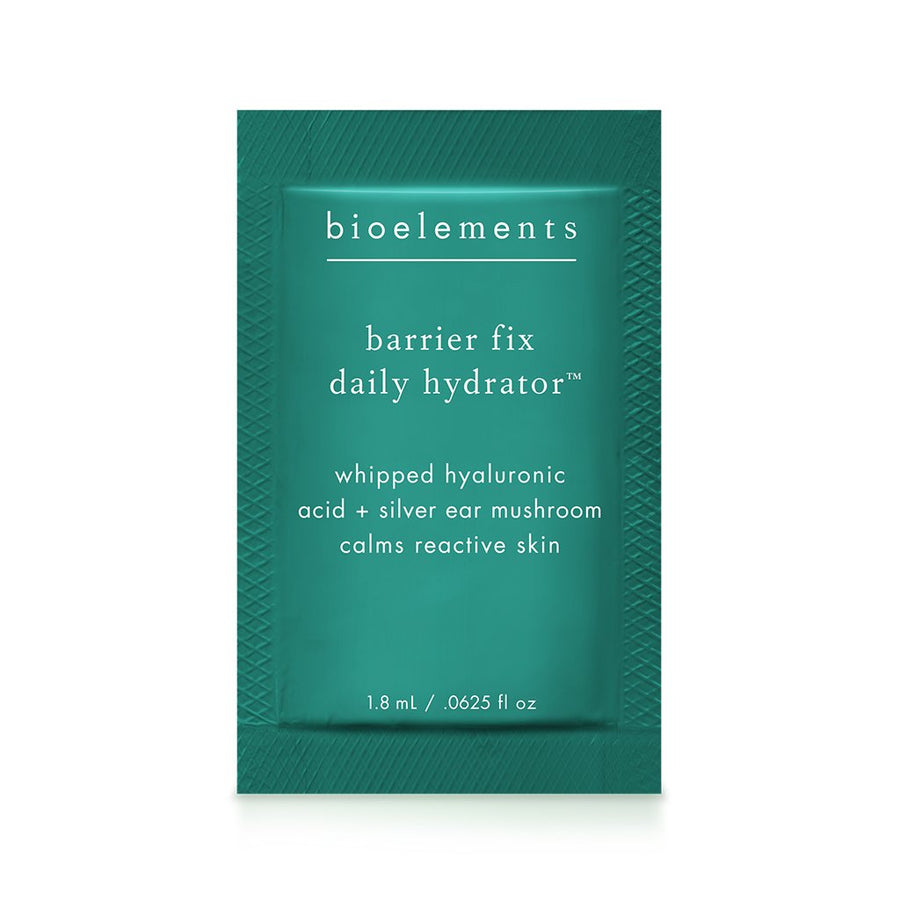
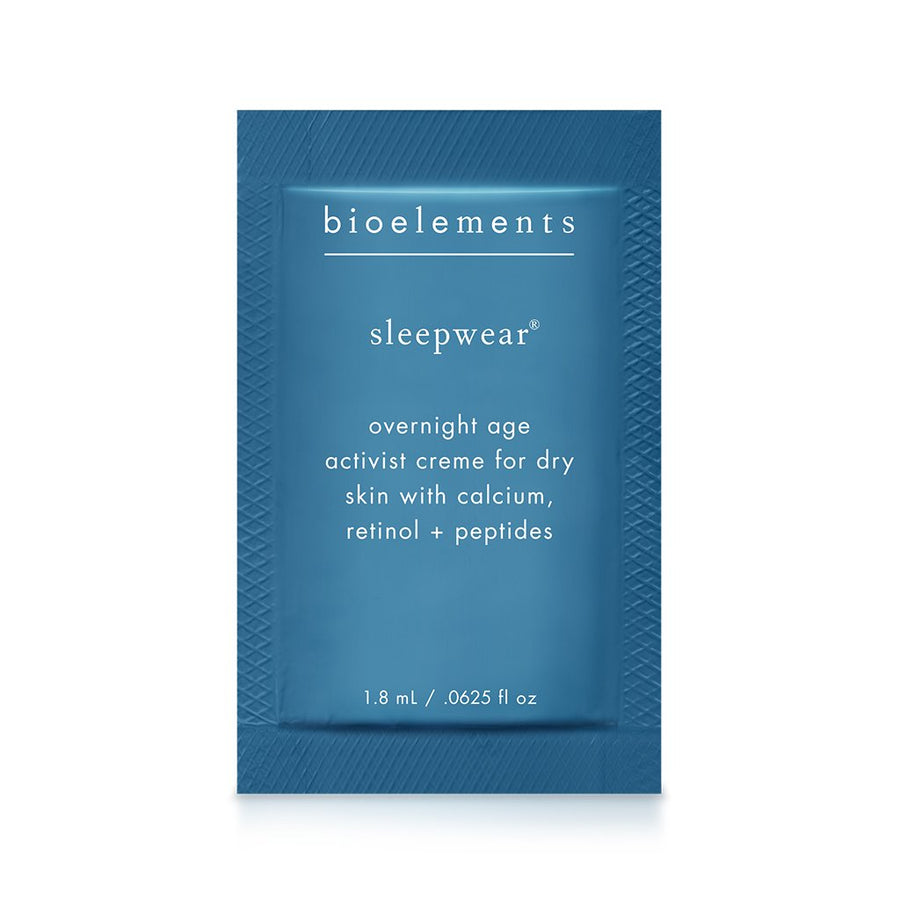
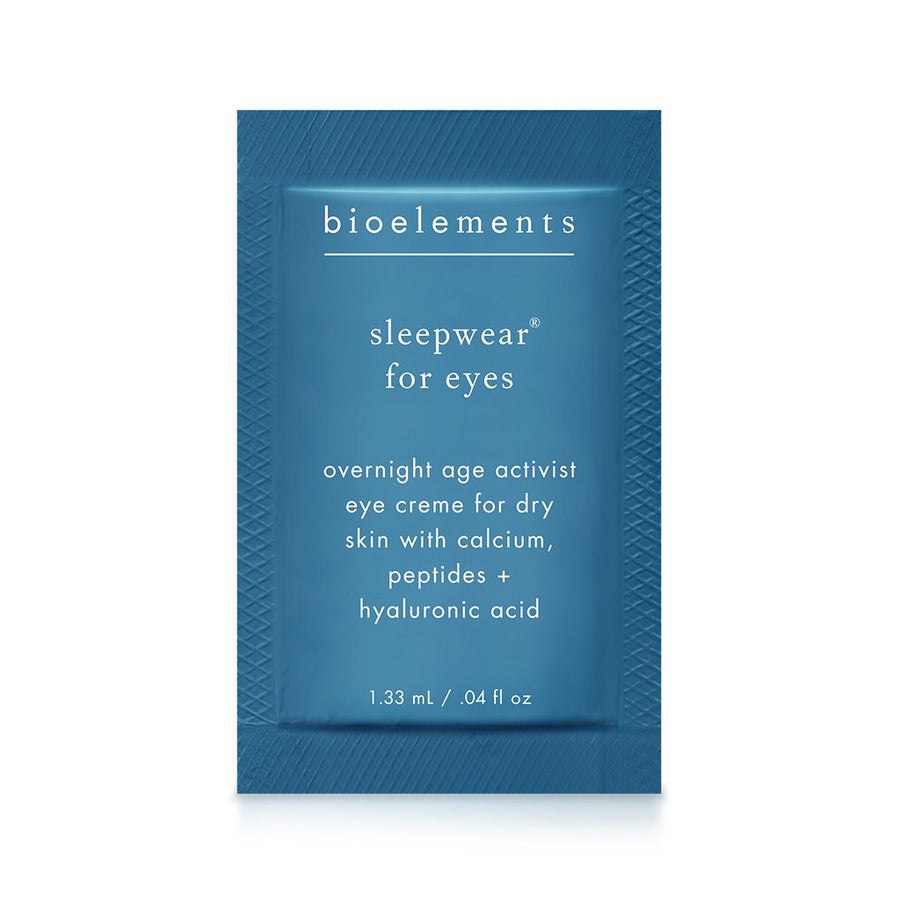
Formulas designed with biomimetic peptides help reinforce the proteins responsible for firmness by working in a way that aligns with the skin’s natural biology. Retinol-alternative complexes, including retinopeptides and bakuchiol, support renewal and elasticity without causing irritation that can disrupt the skin barrier, which is especially important leading up to injectables. Bioengineered soothing ingredients help maintain balance, allowing the skin to recover and remain consistent rather than reactive.
Professional treatments play a role here, too.
“Services like the Bioelements Uplift Firming Facial are designed to support firmness, circulation and visible lift through targeted massage techniques and firming-focused formulas that work alongside a consistent home routine,” says Beth Bialko, bioelements esthetician. “Over time, that combination can help skin look smoother, more sculpted and more supported overall.”
Supporting skin before and beyond injectables
Consistency is what’s going to make the biggest difference. With regular professional treatments and daily support at home, skin gradually becomes smoother, firmer and more even. Lines don’t necessarily disappear, but they tend to look softer and less fixed because the skin holding them is functioning better.
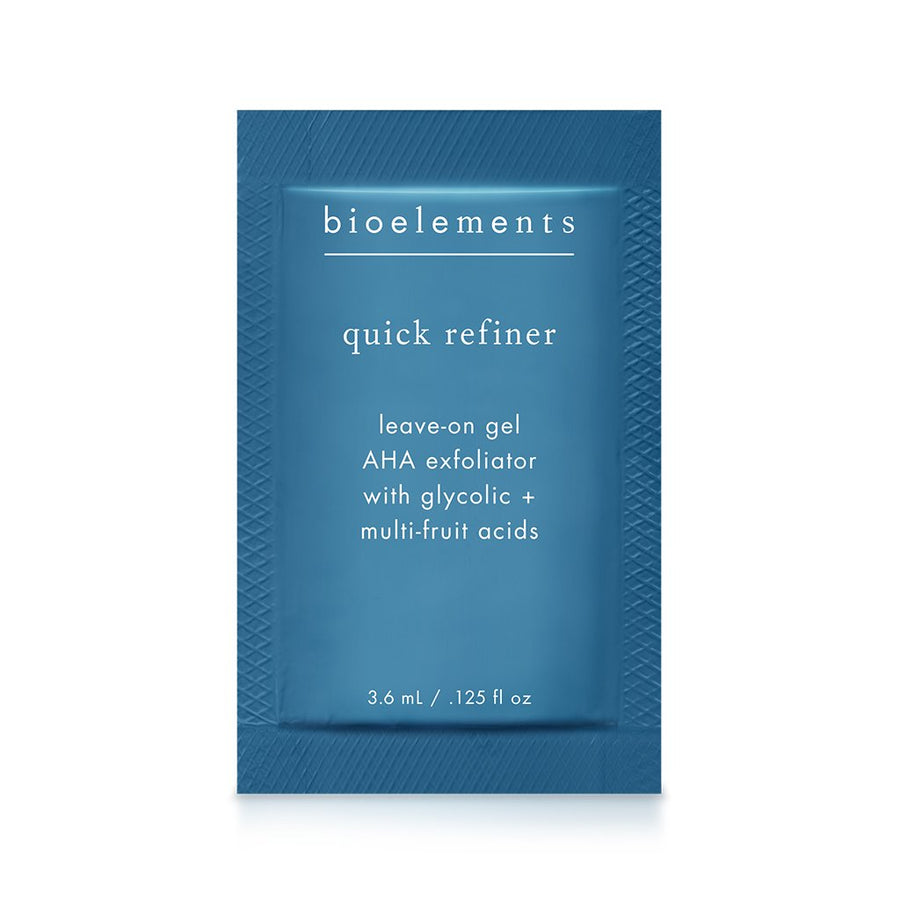
If Botox is still on your radar, keep your routine simple leading up to your appointment. Avoid over-exfoliating or layering too many strong actives beforehand, and be mindful of facial timing too. Estheticians typically recommend scheduling facials before injectables or waiting at least two weeks afterward to allow skin to settle properly. When in doubt, consult your physician.
At the end of the day, it’s not really about choosing one or the other, it’s about understanding what your skin actually needs first and giving it that support so whatever you decide next feels like a choice, not a reaction.
FAQs: Skin care before injectables
What does Botox target?
Botox is designed to target and prevent muscle movement caused by repeated expressions like frowning, squinting and raising your brows.
Does Botox improve skin texture?
Botox softens muscle movement, but it doesn’t rebuild collagen, refine texture or restore skin firmness.
Why do expression lines become more visible over time?
As collagen production slows, skin loses internal support, causing expressions to leave a more visible imprint.
Can skin care help before Botox?
Supporting collagen, elastin and healthy renewal can help improve firmness, texture and the appearance of lines before injectables.
What ingredients help support firmness without irritation?
Biomimetic peptides, retinopeptides and bakuchiol help support firmness, renewal and elasticity while helping maintain barrier balance.
Why is barrier support important before injectables?
Keeping the skin barrier balanced helps skin remain consistent rather than reactive leading up to injectables.
Do facials help support skin before injectables?
Professional treatments can help support firmness, circulation and visible lift when paired with a consistent home routine.
Should you exfoliate before Botox?
Avoid over-exfoliating or layering strong actives right before your appointment.
When should you schedule a facial around injectables?
Estheticians typically recommend scheduling facials before injectables or waiting at least two weeks afterward.
Can skin care replace Botox?
Skin care and injectables work on different levels, with skin care supporting the skin itself while injectables target muscle movement.
about the skin journal by bioelements
The skin journal is Bioelements professional point of view on skin health, facials, and barrier-first care. Developed in collaboration with Bioelements estheticians and educators, each article translates skin biology, biomarkers, and treatment-room experience into clear, actionable guidance for real results. Grounded in decades of professional expertise, the skin journal reflects our belief that lasting skin transformation starts with decoding skin biology – not chasing trends.