
You finally get away, step off the plane, look in the mirror and suddenly your skin feels completely different. Maybe it’s tighter, oilier, duller, more reactive or breaking out in places it normally doesn’t.
Travel can shift almost everything your skin depends on to stay balanced. Different water, climate changes, disrupted sleep, stress, dehydration and changes in routine all affect how skin functions. Because skin thrives on consistency, even a short trip can throw things off fast.
Our estheticians say here’s what’s actually happening.
1. Different water
One of the biggest changes your skin notices while traveling is water quality.
“Hard water contains higher levels of minerals like calcium and magnesium, which can leave residue behind on the skin and interfere with how cleansers rinse away,” says Emma Nowakowski, bioelements esthetician. “That can leave skin feeling tight, dry, rough or irritated. Softer water can sometimes leave skin feeling oilier or less balanced than usual.”
When your skin barrier is already adapting to travel stress, even subtle differences in water can affect hydration and overall comfort.
2. Airplane cabin air
Airplane air is extremely dry, which increases transepidermal water loss and makes it harder for skin to hold onto hydration. That’s why skin often looks dull, tight or tired after flying. Dehydrated skin can also make fine lines appear more noticeable and leave skin feeling more sensitive than usual. For acne-prone skin, dehydration can sometimes trigger increased oil production as the skin tries to compensate.
3. Climate changes
Your skin is constantly adjusting to the environment around it. Heat, humidity, cold weather, wind, dry climates and altitude all affect how skin behaves.
Hot, humid environments can increase sweat and oil production, making congestion and breakouts more likely. Cold or dry climates tend to weaken hydration levels and leave skin feeling rough, flaky or reactive. Even traveling from one city to another can completely change how your skin looks and feels within days.
4. Travel stress
Flights, delays, packed schedules, disrupted routines and lack of downtime all increase stress levels.
“When stress hormones rise, inflammation can become easier to trigger, which can affect everything from breakouts to redness and sensitivity,” says Emma. “Skin often becomes more reactive while traveling because the body is under more physical stress overall.”
5. Sleep disruption
Late nights, early flights and time changes can affect skin faster than most people realize.
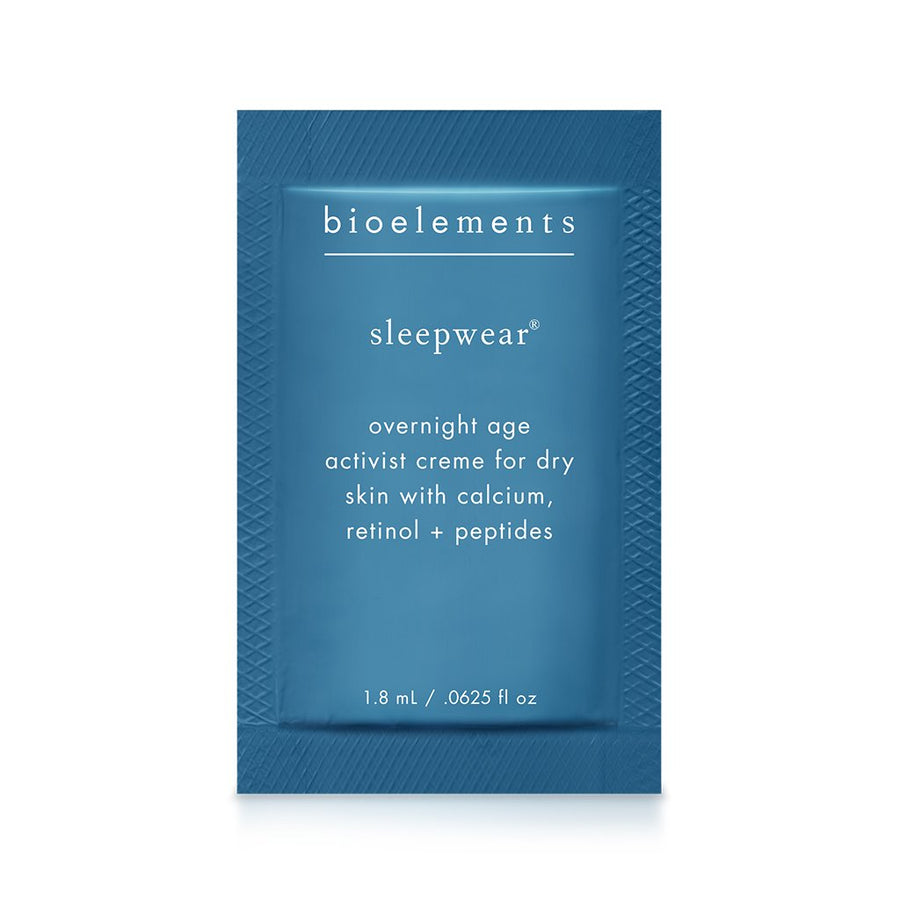
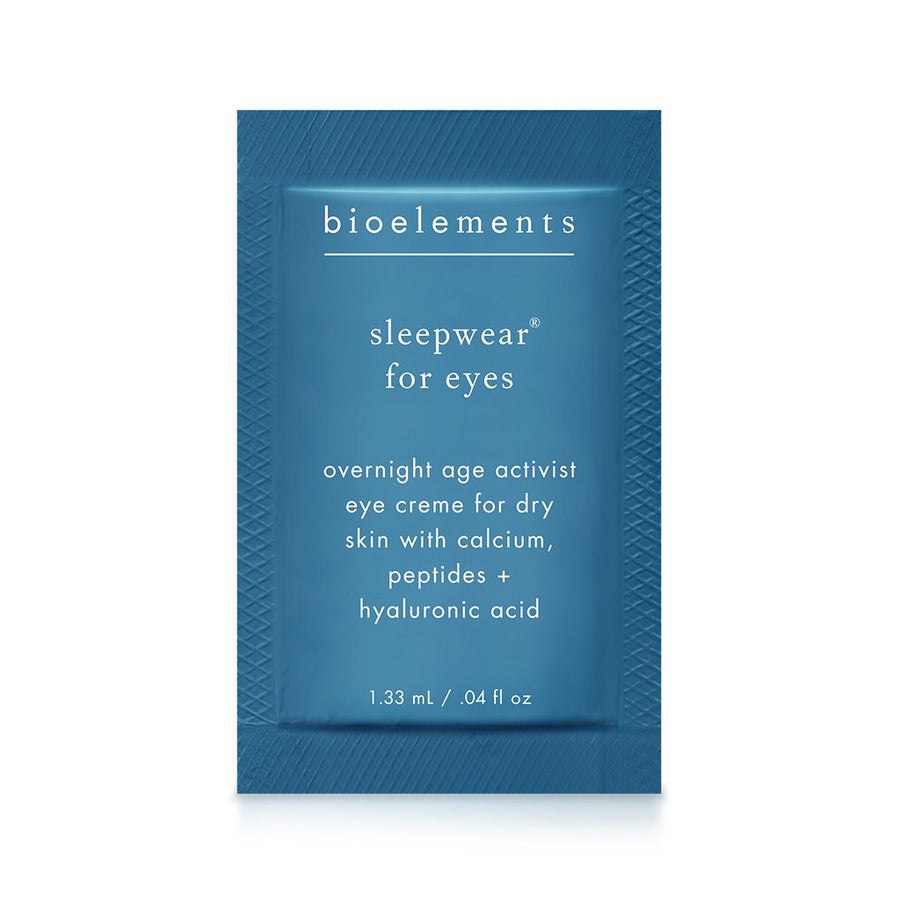
Overnight is when skin naturally supports many of its visible recovery processes. When sleep quality drops, skin can start looking duller, puffier and less balanced overall. Dark circles may appear more noticeable and existing skin concerns can look temporarily amplified.
6. Your routine changes more than you think
Even with the best intentions, travel usually changes daily habits. You may skip certain skin care steps, drink less water, eat differently or rely on hotel products your skin isn’t used to.
“All of these small changes add up,” explains Emma. “Skin is highly responsive to routine, so when everything shifts at once, the skin barrier has to work harder to adapt.”
What your skin actually needs while traveling
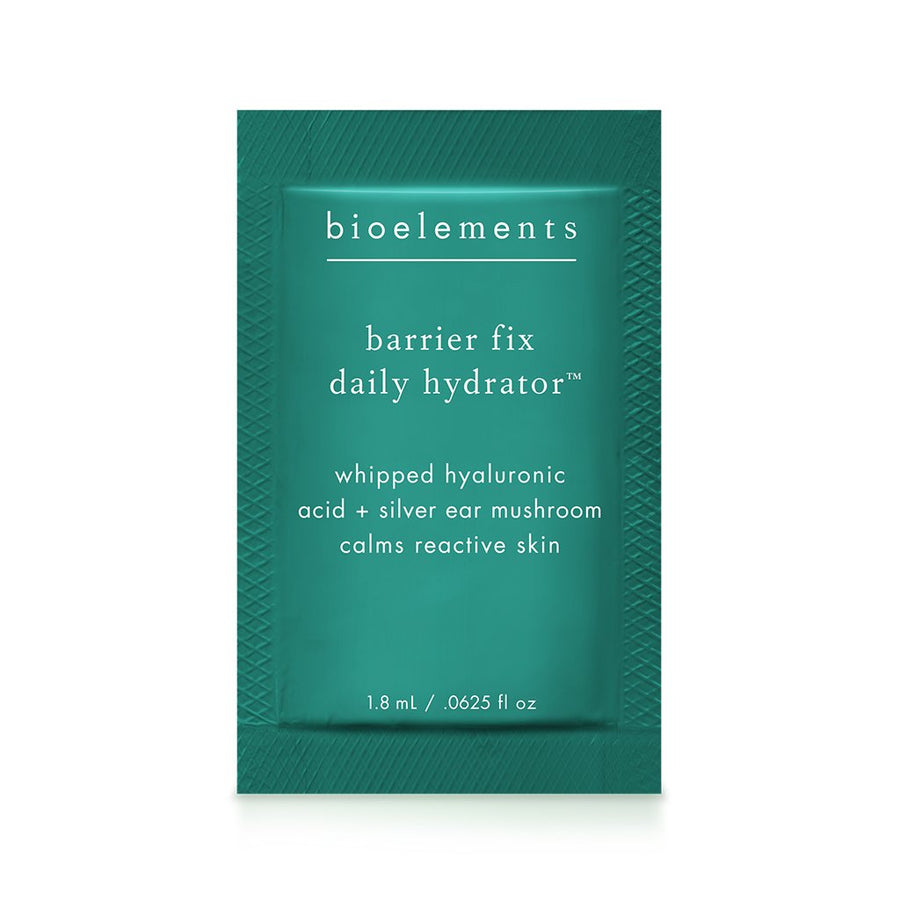
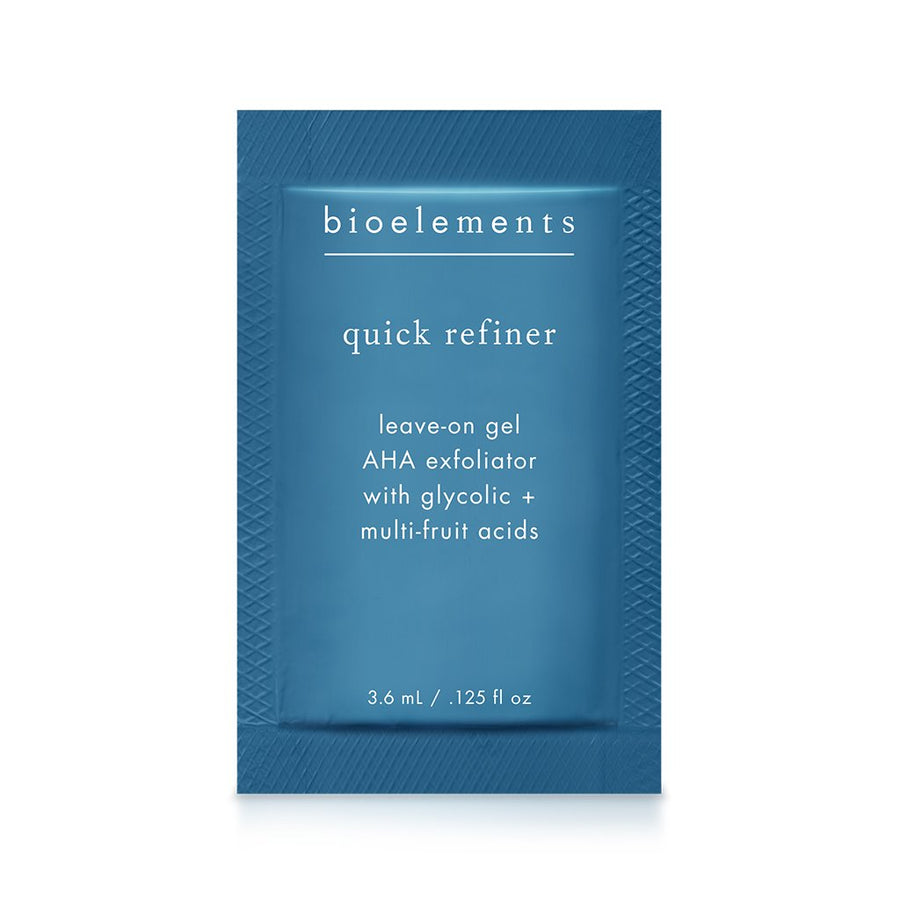
When skin is already adjusting to new environments, this usually is not the time for aggressive exfoliation or experimenting with strong new actives. Skin tends to respond better to consistency, hydration and barrier-supportive skin care formulas that help keep it balanced while everything else changes around it.
about the skin journal by bioelements
The skin journal is Bioelements professional point of view on skin health, facials, and barrier-first care. Developed in collaboration with Bioelements estheticians and educators, each article translates skin biology, biomarkers, and treatment-room experience into clear, actionable guidance for real results. Grounded in decades of professional expertise, the skin journal reflects our belief that lasting skin transformation starts with decoding skin biology – not chasing trends.