
Sensitive skin is skin with a compromised barrier. When the outermost layer of skin can't hold onto moisture or keep irritants out, the result is reactivity, such as stinging, redness, tightness, and inflammation that can show up with almost any product. A skin care routine for sensitive skin has to be barrier-first from the very first step, choosing formulas that reduce inflammation and rebuild the barrier rather than simply masking symptoms. Here's how to structure that routine, step by step, using ingredients that work with skin biology instead of against it.
Step 1: Cleanse without stripping
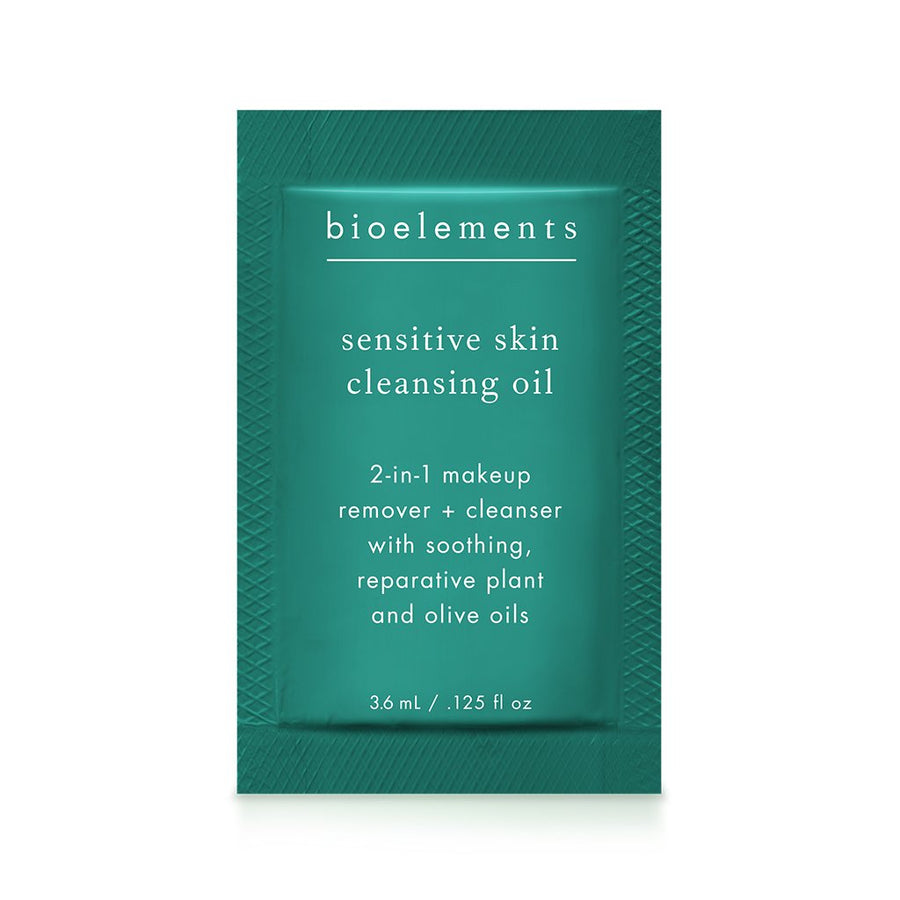
The first place a sensitive skin routine can go wrong is cleansing. Overly aggressive cleansers and hot water strip the lipids that support the barrier, which is exactly what sensitive skin can't afford to lose. Look for a water-free, oil-based cleanser that removes makeup and impurities while delivering barrier-strengthening fatty acids at the same time. Hemp seed oil is worth checking the label for – it supplies omega-3 and omega-6 fatty acids that restore elasticity and softness – alongside other plant oils like olive, safflower, jojoba, and sunflower seed oil, and an antioxidant like vitamin E to manage free-radical exposure during cleansing. A cleansing oil formulated this way removes makeup and impurities without the stinging or tightness that stripping cleansers can cause on reactive skin. That distinction — cleansing that calms instead of depleting – is the foundation everything else in the routine builds on, and it's exactly what we engineer into our own cleansing oil.
Step 2: Rehydrate and calm with a mist
After cleansing, skin needs immediate moisture to prevent it from feeling tight or reactive. Look for a facial toner mist built around aloe vera, chamomile, and silver ear mushroom. Silver ear mushroom is a Chinese medicinal ingredient capable of holding up to 500 times its weight in water – a natural alternative to hyaluronic acid, and it forms a barrier-protective hydration film that keeps skin nourished over longer periods of time with consistent use. Chamomile contributes antioxidant and anti-inflammatory support, while aloe barbadensis leaf juice helps reduce visible redness. Applied after cleansing and before treatment formulas, a mist like this locks in moisture at the exact moment skin is most receptive to it. This combination is the reasoning behind our own soothing mist.
Step 3: Target the eye area + retinol-free support
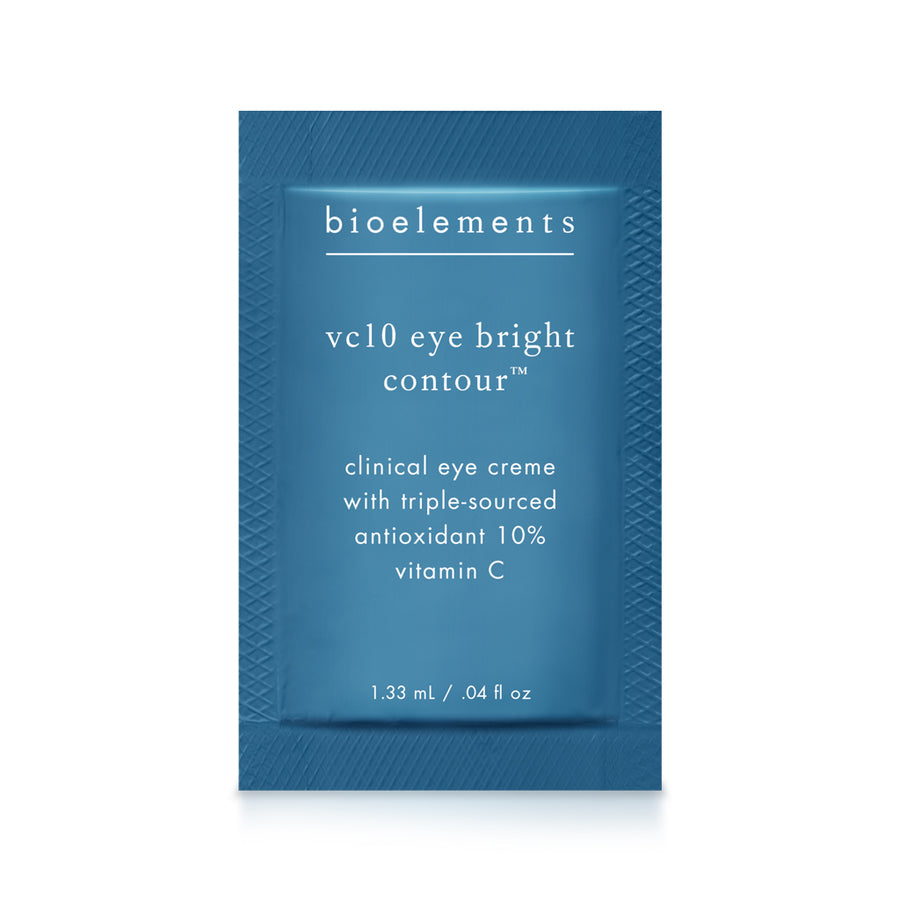
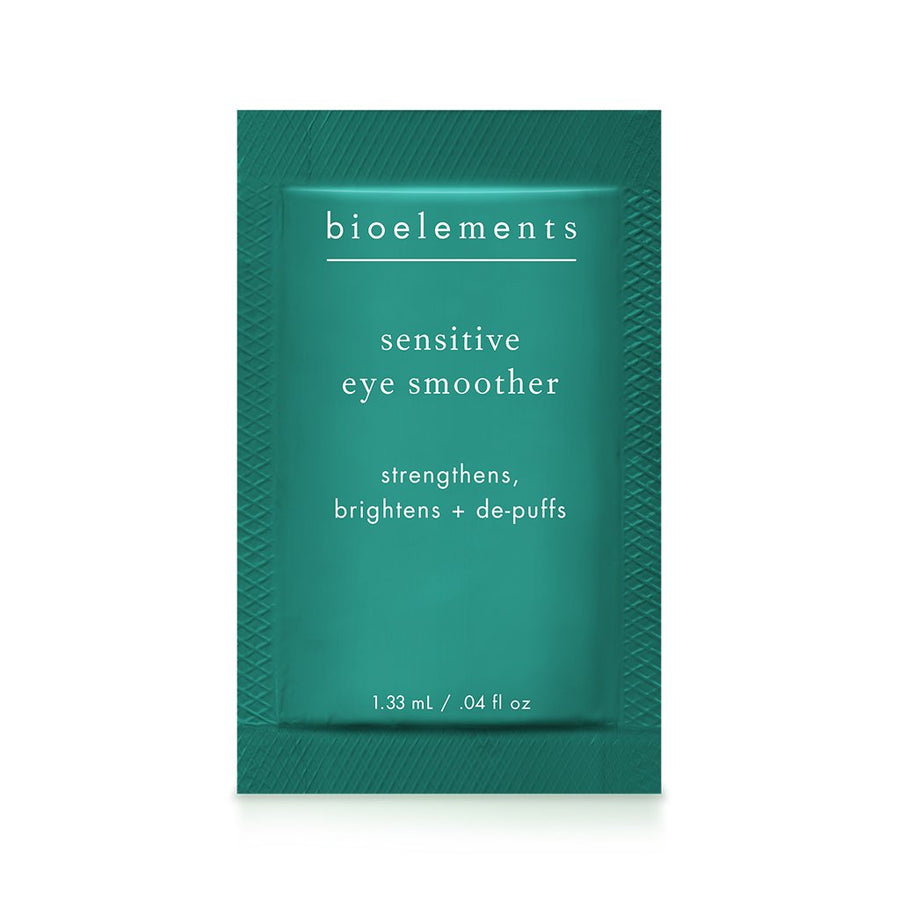
The skin around the eyes is thinner and more prone to barrier disruption, so it benefits from a dedicated formula rather than an extension of a facial moisturizer. Look for an eye treatment combining aloe, ceramides, and silver ear mushroom to help manage the appearance of puffiness and support hydration in this delicate area, along with a firming, brightening ingredient such as rhodiola.
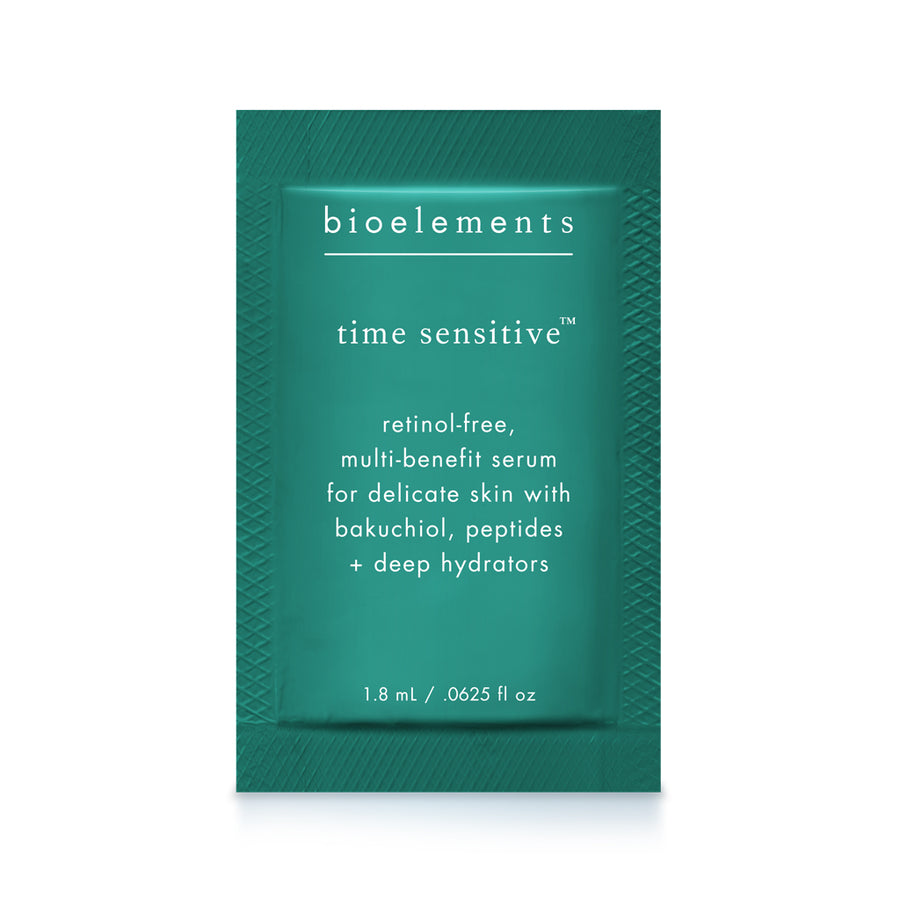
For those wanting all-over support without irritation, look for a retinol-free facial serum formulated with bakuchiol, a bioengineered retinol alternative. Bakuchiol, isolated from the Babchi plant, helps regulate skin cell behavior to manage texture and tone without the reactivity often triggered by retinol. Paired with a non-irritating peptide blend and an ingredient like piperonyl glucose to help manage redness, this is the formulation approach behind our own eye creme and retinol-free support.
Step 4: Seal the barrier + support cellular function
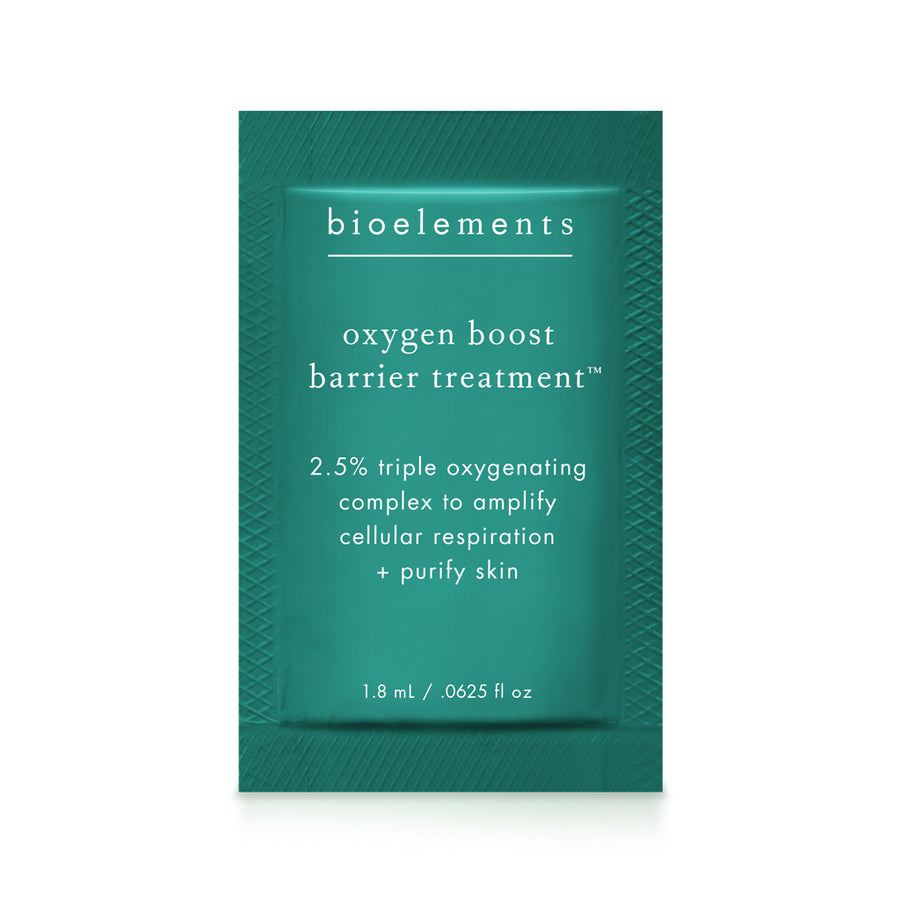
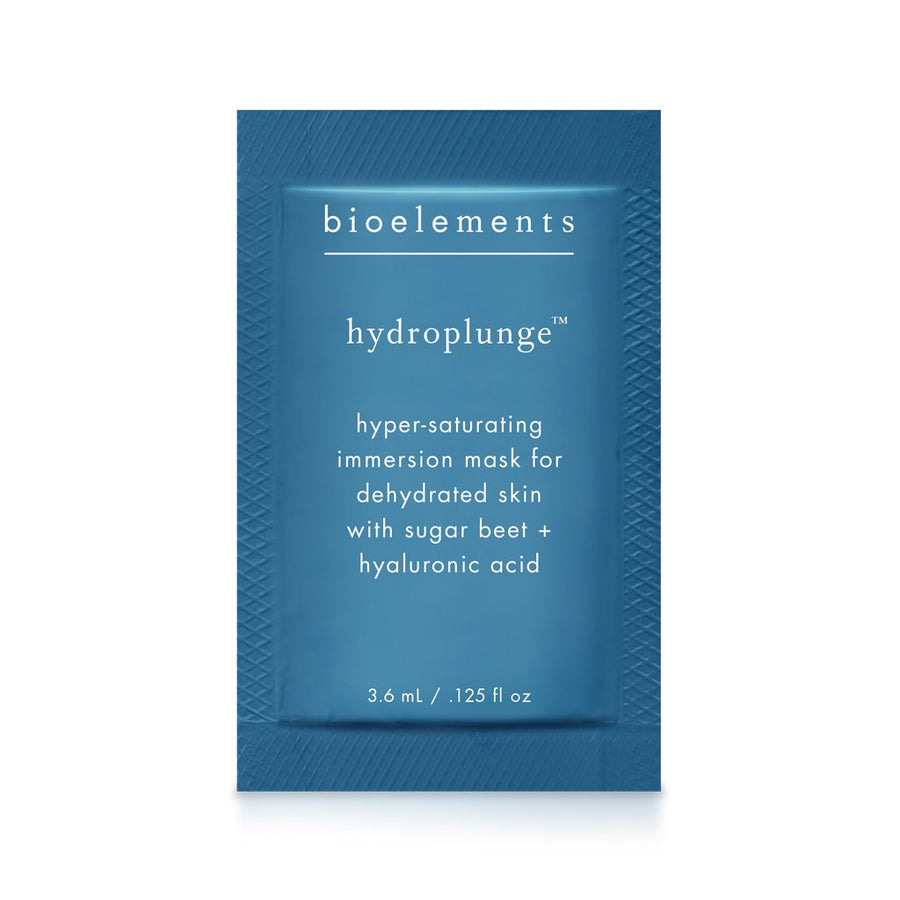
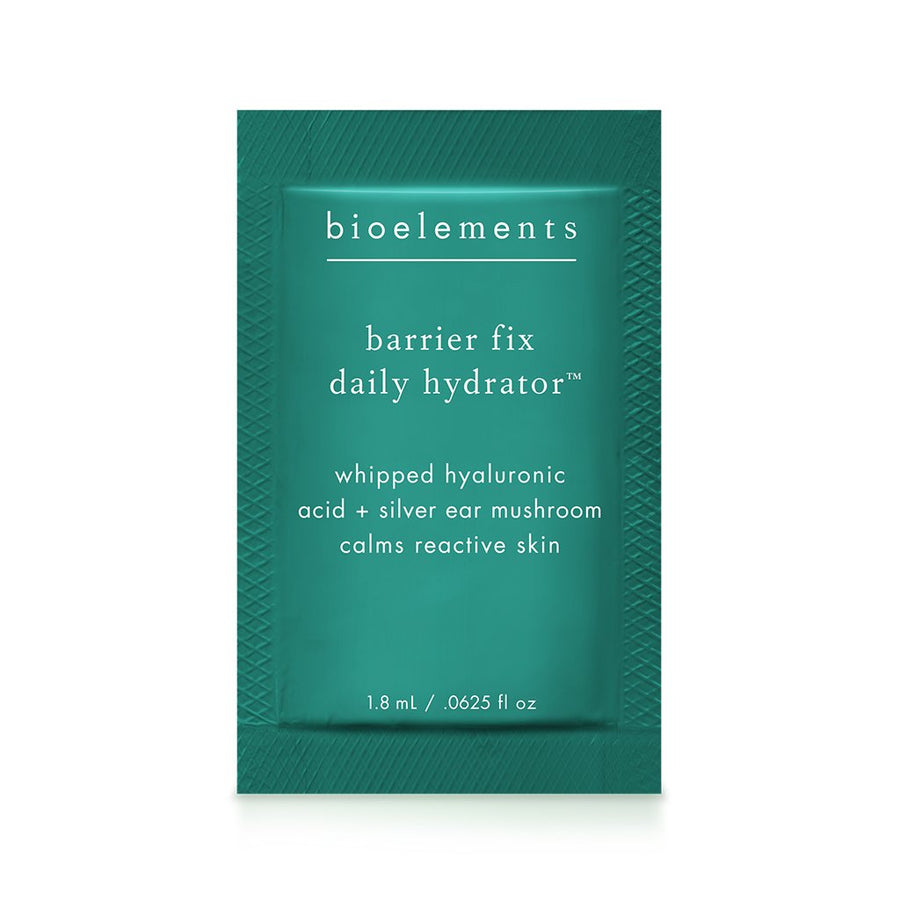
A sensitive skin routine ends with reinforcement, not just hydration. Look for a moisturizer combining hyaluronic acid, silver ear mushroom, ceramides, and beta glucan to target irritation while restoring barrier function – beta glucan in particular has shown a decrease in itching, tension, and redness in clinical contexts, while reducing transepidermal water loss. For skin that also looks dull or congested from environmental stress, a treatment that helps manage cellular respiration – using an ingredient such as stabilized hydrogen peroxide alongside sea kelp and niacinamide – can support pore clarity and barrier integrity when layered over serum and moisturizer, without disrupting the calm the rest of the routine has established. This is the science we build into our own daily hydrator and oxygen-boosting treatment.
The takeaway
Sensitive skin doesn't need fewer steps, it needs the right ones, chosen with barrier repair as the through-line from cleanse to finish. Science-led, nature-informed formulas that manage inflammation at each stage give reactive skin the consistency it needs to stabilize over time. Every skin barrier responds differently, and an esthetician can help identify which combination of ingredients and steps will best support your specific skin biology.
about the skin journal by bioelements
The skin journal is Bioelements professional point of view on skin health, facials, and barrier-first care. Developed in collaboration with Bioelements estheticians and educators, each article translates skin biology, biomarkers, and treatment-room experience into clear, actionable guidance for real results. Grounded in decades of professional expertise, the skin journal reflects our belief that lasting skin transformation starts with decoding skin biology – not chasing trends.