
Vitamin C has earned its place as an ingredient for daily defense. It neutralizes free-radical damage from UV exposure, pollution, and everyday oxidative stress and targets the enzyme responsible for excess melanin production, helping manage hyperpigmentation and uneven skin tone. But not all vitamin C formulas deliver these benefits in the same way.
Many popular formulas push vitamin C to high percentages at low pH levels, assuming that greater acidity means greater potency. For a compromised or sensitized barrier, that combination can do more harm than good. Understanding the relationship among vitamin C, pH, and barrier function is essential for choosing a formula that works with skin biology rather than against it.
The skin barrier's relationship to pH
The skin's acid mantle naturally sits at a pH of 4.5-5.5, forming a barrier-first defense system that regulates moisture loss, supports the skin's lipid production, and helps manage inflammation. Ascorbic acid, the most common form of vitamin C in skin care and often the most potentially irritating, typically requires a very low pH (below 3.5) to remain stable and active. That's a significant departure from skin's own chemistry. For a resilient barrier, this gap may be tolerable. But for compromised, reactive, or sensitized skin, formulas at this extreme pH can disrupt lipid organization, increase transepidermal water loss, and trigger the very inflammation that contributes to post-inflammatory hyperpigmentation in the first place. In other words, a formula designed to target dark spots and discoloration can, in barrier-compromised skin, help create the conditions for more problems. This is why percentage and pH cannot be evaluated separately. They determine whether a vitamin C formula supports the barrier or works against it.
Why percentage alone isn't the measure of efficacy
Over the years, misconceptions from social media and other sources have led some consumers to equate higher percentages with better results. But vitamin C's efficacy depends on stability, absorption, and formulation, not concentration alone. Ascorbic acid is notoriously unstable; it oxidizes quickly when exposed to air, light, and heat, which is part of why so many high-percentage formulas develop an unpleasant odor and lose potency before they're fully used. A biologically engineered approach to vitamin C prioritizes performance over percentage. This means selecting stabilized derivatives, such as sodium ascorbyl phosphate and ascorbyl glucoside, that maintain antioxidant activity, support collagen performance, and target melanin production without requiring the extreme acidity that ascorbic acid demands. It also means calibrating the percentage to the point of maximum effectiveness, not the point of maximum irritation risk.
The vc10 approach: calibrated, not compromised
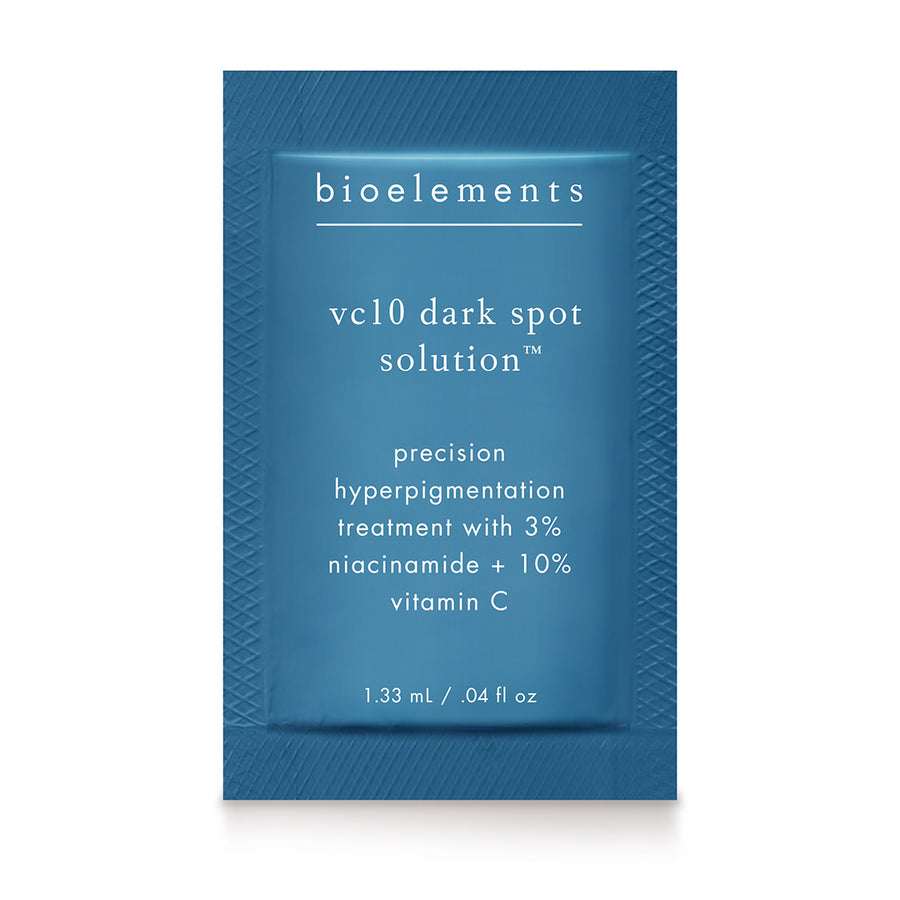
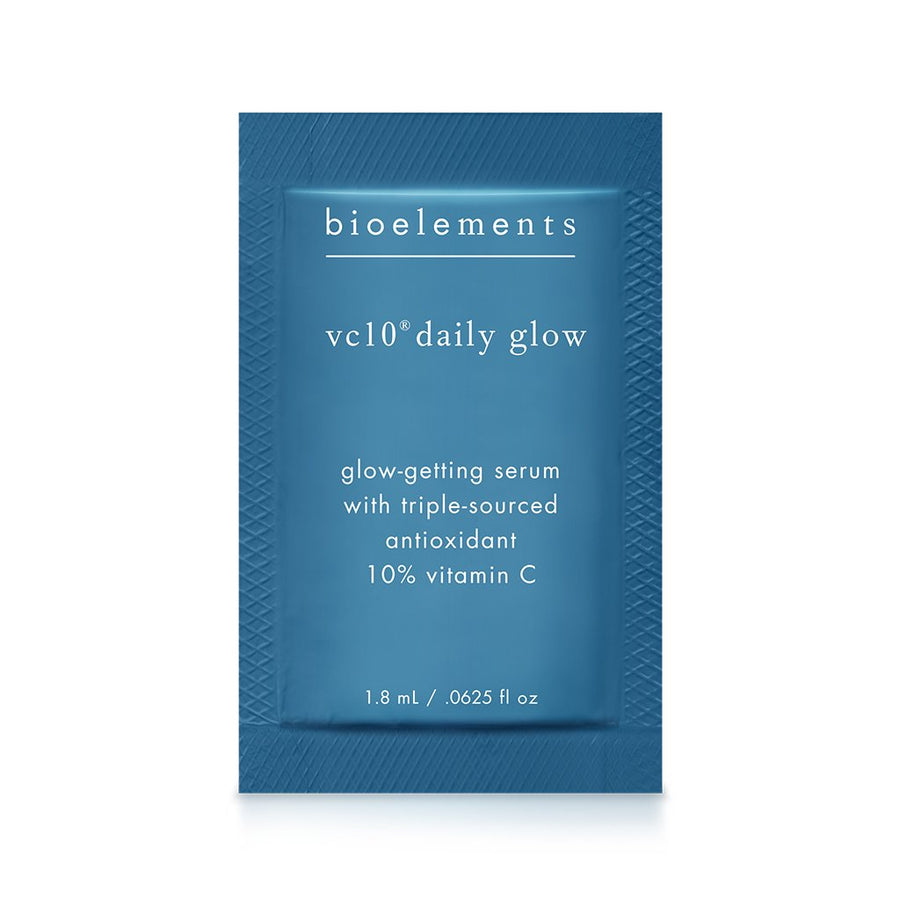
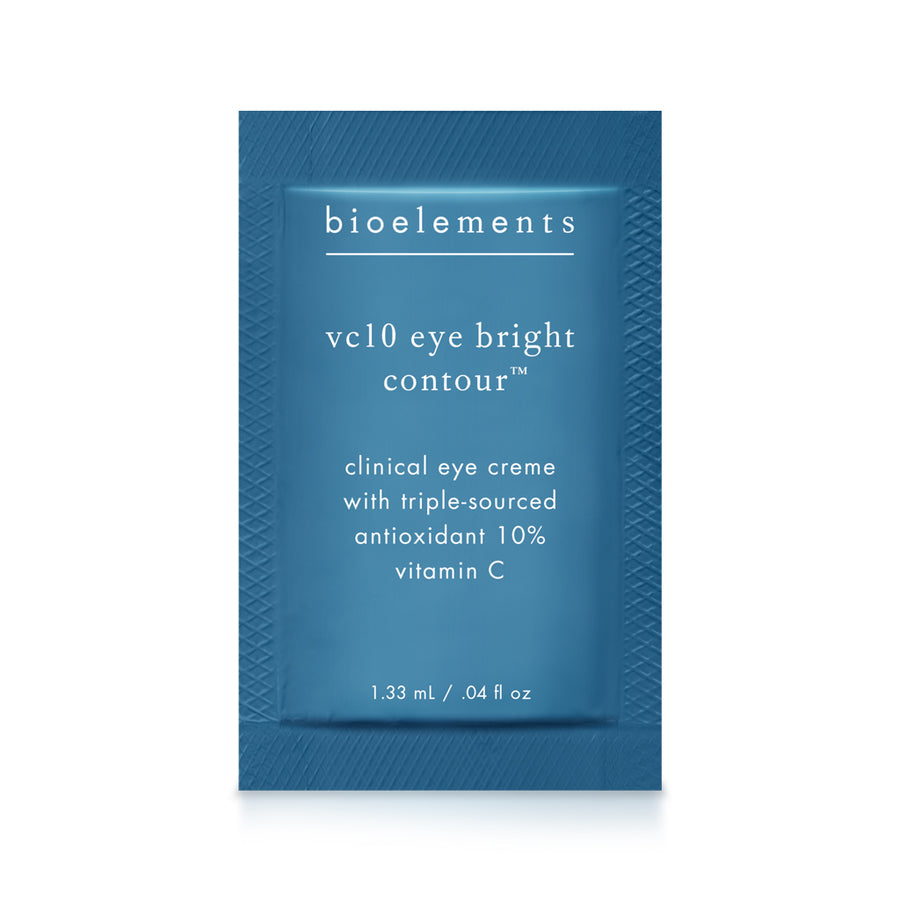
Bioelements developed the vc10 collection around this exact principle: 10% triple-sourced vitamin C, calibrated for maximum effectiveness at a pH close to skin's own – near 5-6 across the collection. This barrier-first approach allows vitamin C to target hyperpigmentation, support collagen performance, and help manage discoloration from UV exposure, pollution, and inflammation, without asking a compromised barrier to tolerate destabilizing acidity.
Instead of relying on unstabilized ascorbic acid, vc10 draws from three complementary sources: sodium ascorbyl phosphate and ascorbyl glucoside, two stabilized derivatives that target melanin and support collagen performance, plus acerola cherry ferment, a natural source with vitamin C content 65 times that of an orange. Because these forms are inherently more stable, the blend doesn't need an extremely low pH to stay active, so each formula can remain near the skin's own pH range instead.
The result is a formula that maintains potency over a full day-and-night cycle without relying on destabilizing acidity. That's the meaningful difference between a vitamin C formula built for a marketing claim and one engineered to work with skin biology.
The takeaway for barrier-compromised skin
Not every skin barrier can tolerate a high-percentage, low-pH vitamin C, but that doesn't mean vitamin C should be avoided. It means the formula matters as much as the ingredient. Look for triple-sourced, stabilized vitamin C calibrated near the skin's own pH, so the barrier is supported rather than tested. If you're navigating sensitized or reactive skin and want to know whether your current vitamin C routine is helping or working against your barrier, talk to your esthetician. They can help assess your skin's tolerance and recommend the right concentration and formulation for your biology.