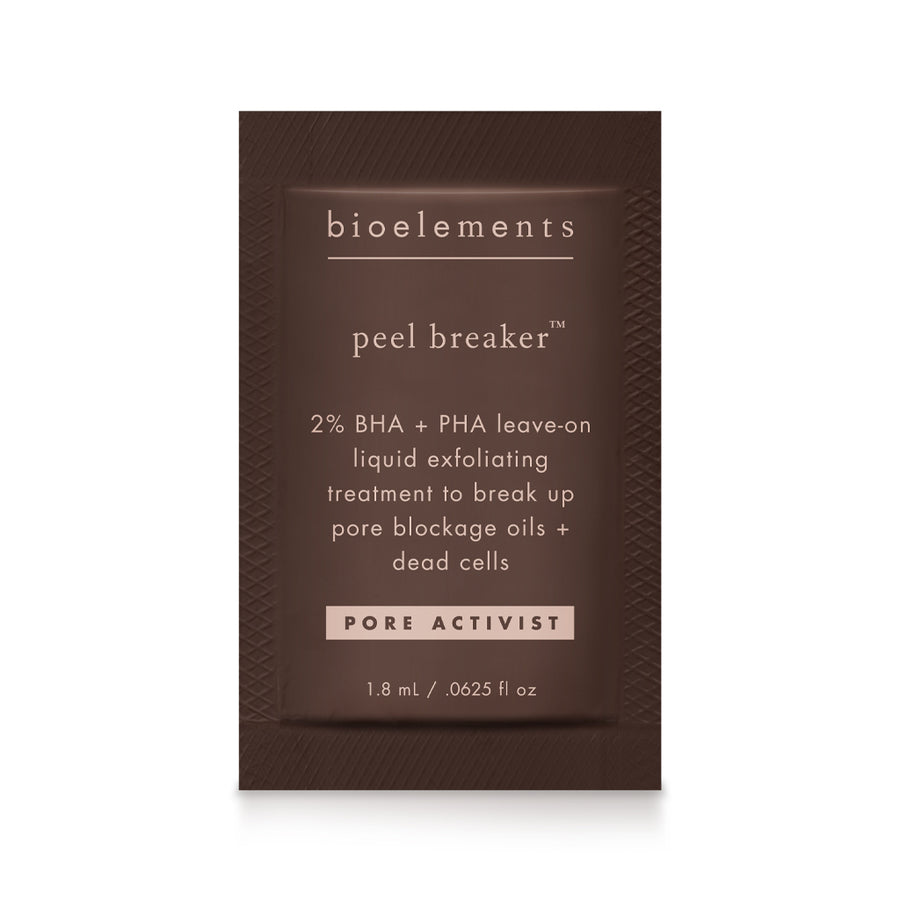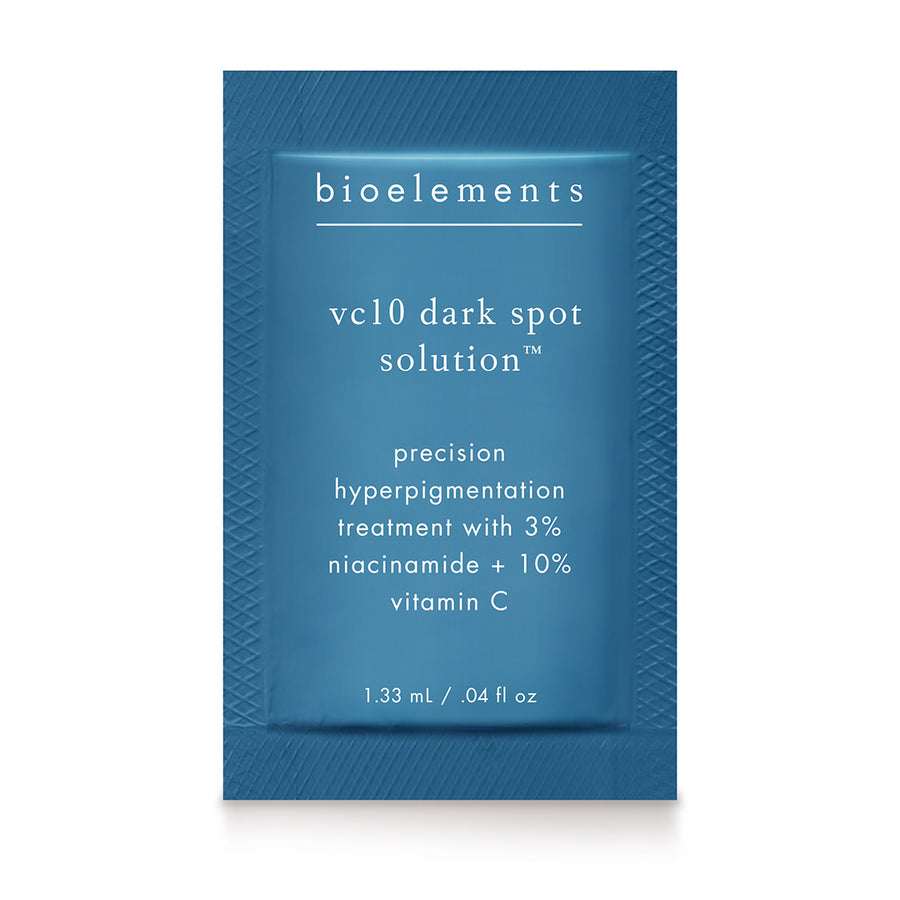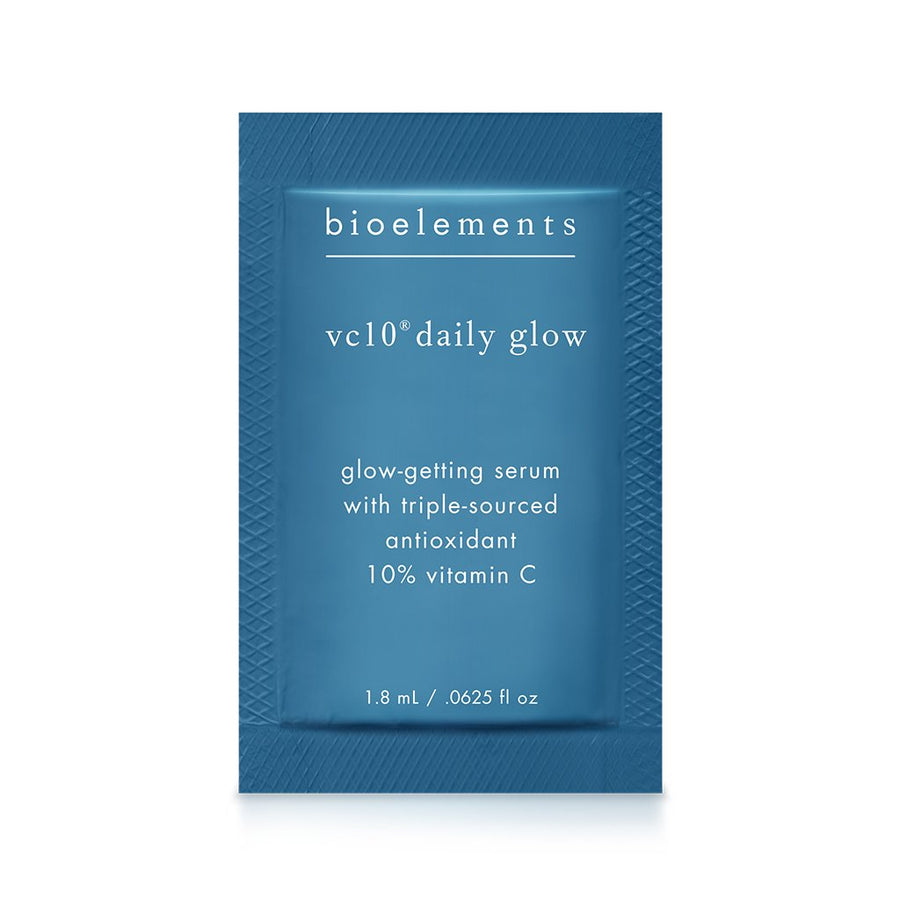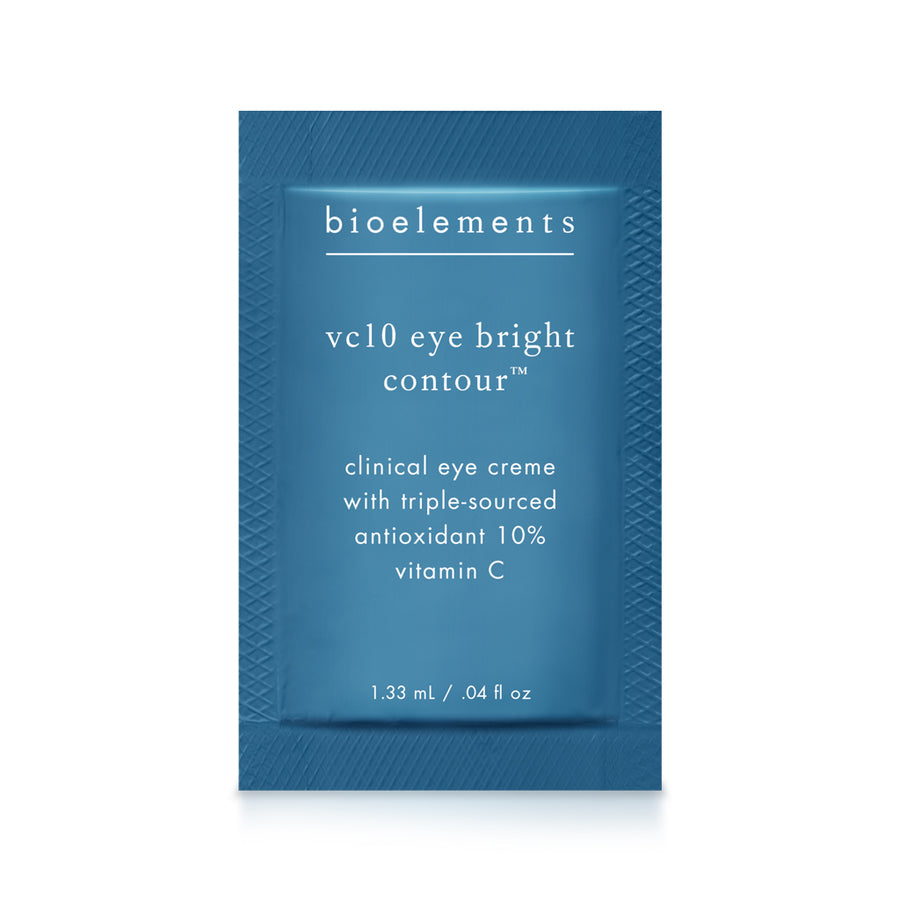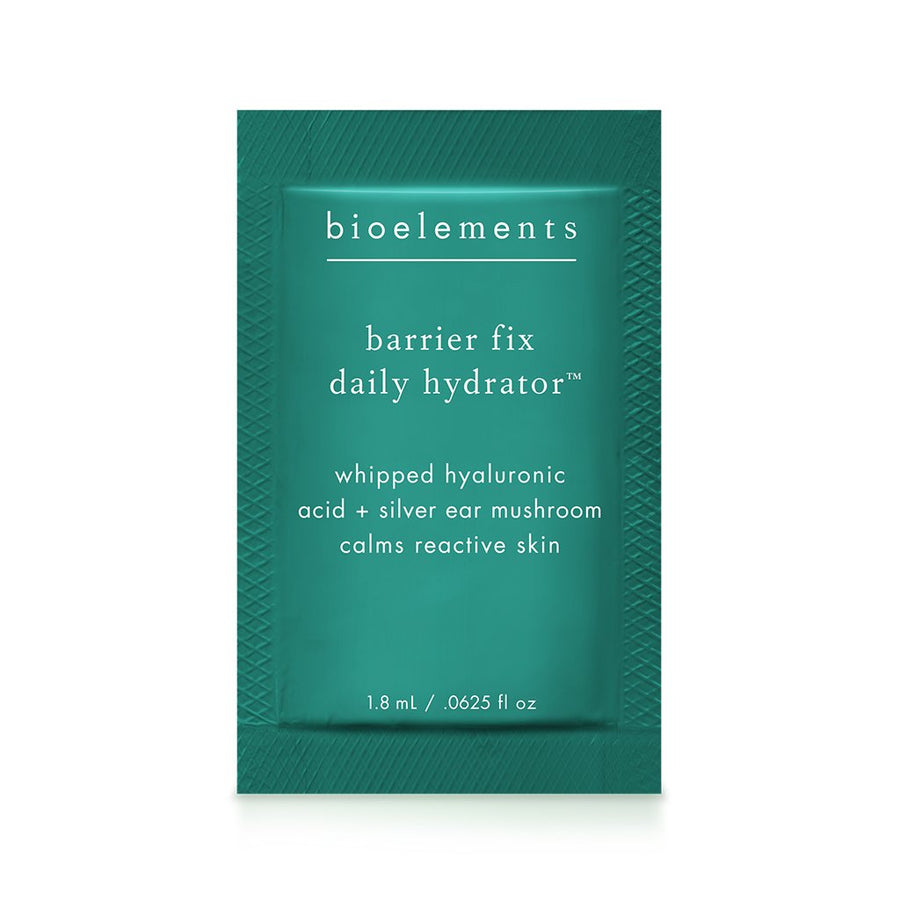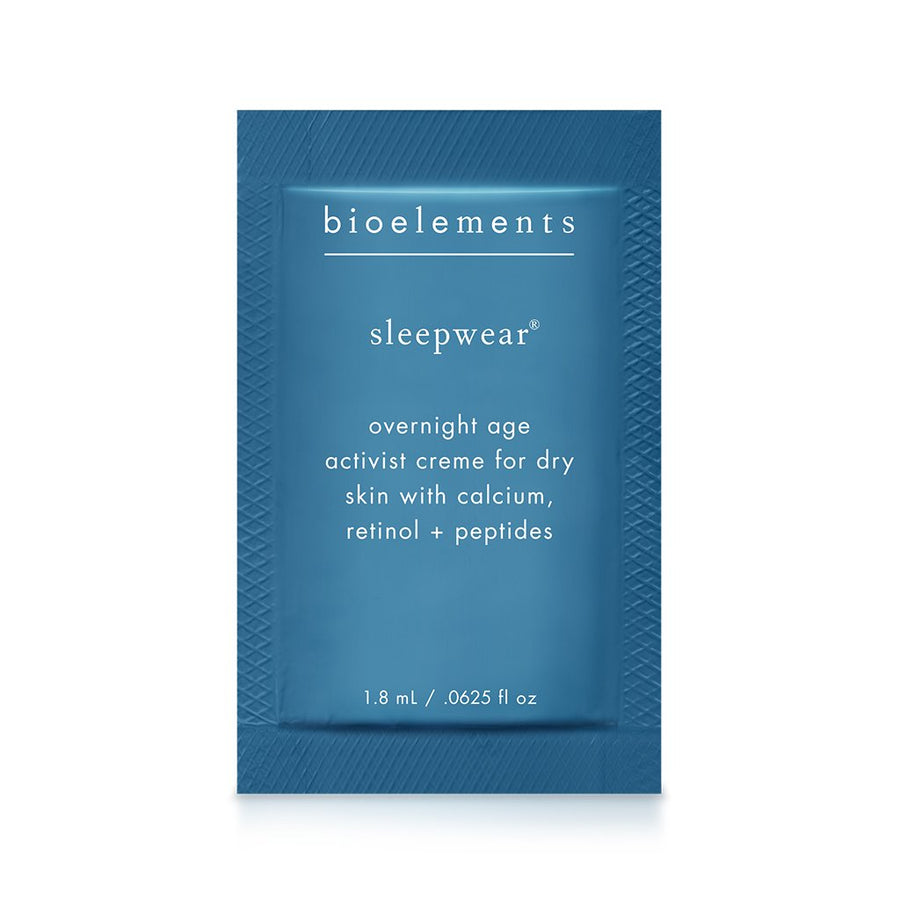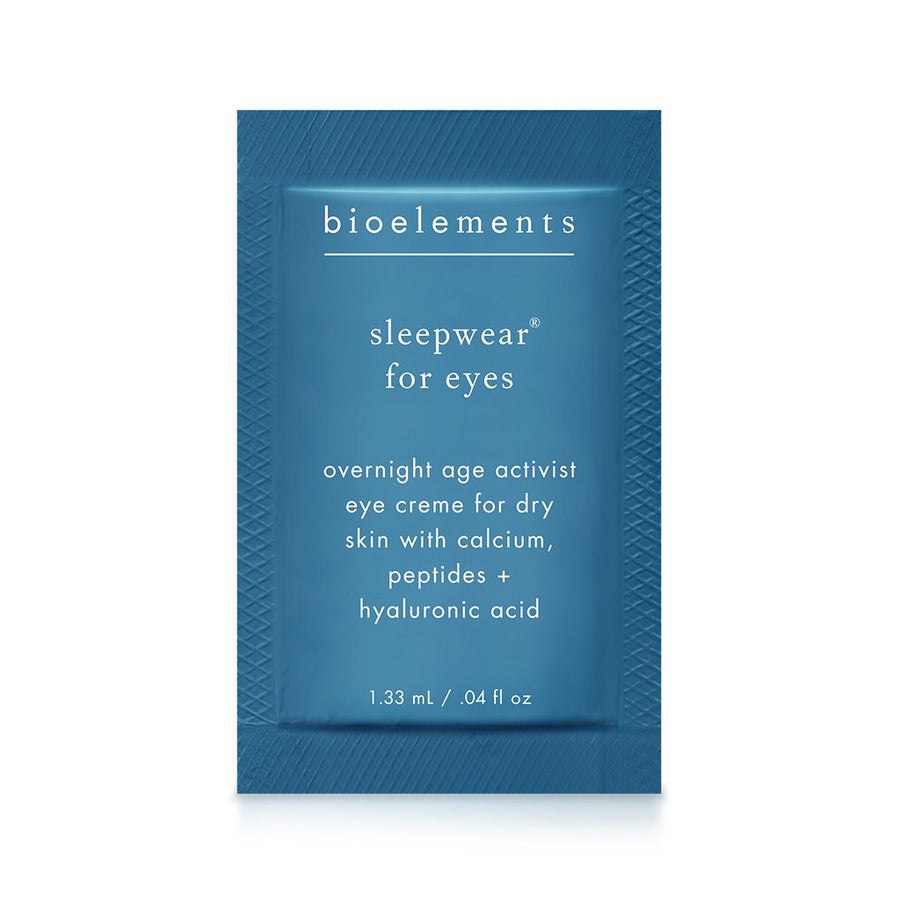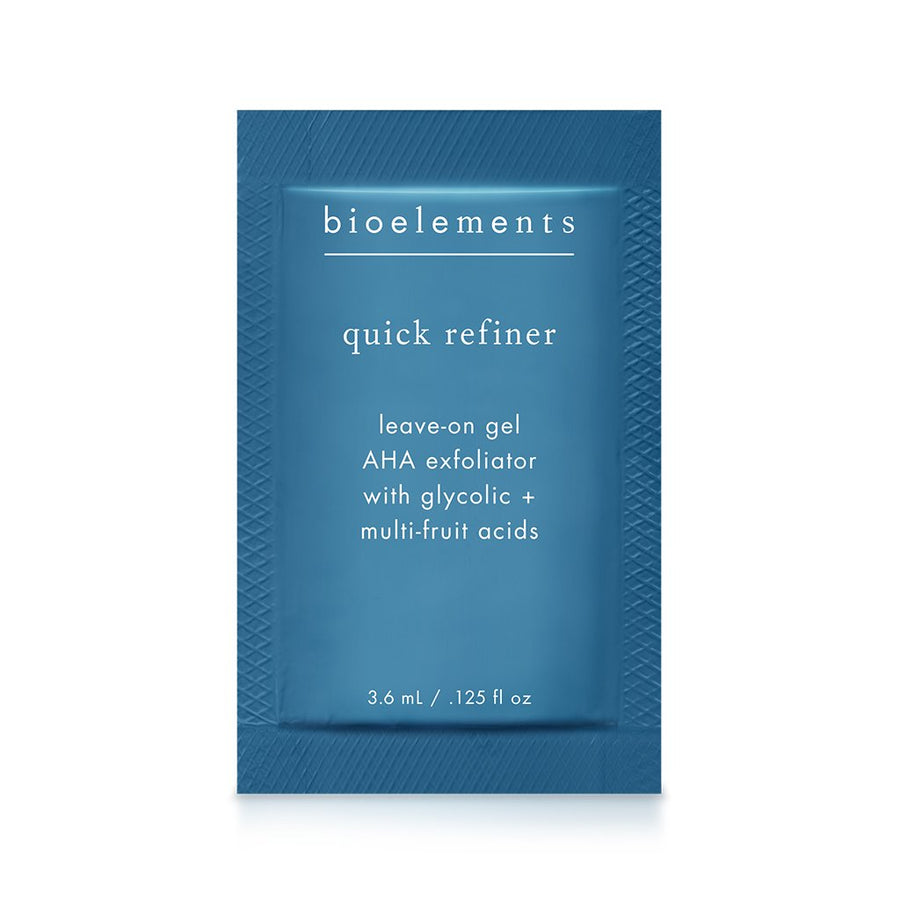

When estheticians talk about a skin reset, they’re not referring to detoxes or dramatic overhauls. A skin reset is a professional approach grounded in how skin functions, especially when it becomes dehydrated, stressed or inconsistent.
What a skin reset actually does
A skin reset focuses on hydration recovery, barrier support and consistency. When hydration drops or the barrier is stressed, skin shows it. Texture looks uneven. Sensitivity creeps in. Breakouts linger. Products that once worked suddenly don’t.
A reset doesn’t push skin harder – it stabilizes it.
“A skin reset brings skin back to a healthy baseline,” says Beth Bialko, bioelements esthetician. “When hydration drops or the barrier is stressed, skin becomes unpredictable. Resetting skin means restoring hydration and supporting the barrier so everything can work the way it’s supposed to.”
Seasonal shifts and everyday environmental changes often trigger this imbalance. As temperature, humidity and daily exposure change, hydration levels fluctuate and the barrier takes on more stress. Skin may feel tighter, look duller or react more easily. It’s a signal that skin needs support before it needs correction.
Why hydration and barrier support come first in a skin reset
Hydration recovery is where support starts. When skin can hold water properly, everything works better. Skin feels more comfortable, texture looks smoother, and formulas absorb and perform more consistently. Without hydration, routines feel like they’re working overtime with limited results.
Barrier support works alongside hydration. A healthy barrier helps skin retain moisture, stay resilient and regulate itself more effectively. When the barrier is supported, inflammation calms and skin becomes easier to manage – especially during periods of change.
Where skin stacking fits in during a skin reset
This is where skin stacking matters. Estheticians layer with intention, applying formulas in a consistent order that supports absorption, hydration and barrier health. During a reset, thoughtful stacking prevents overload and allows skin to stabilize before anything more complex is introduced.
So yes, you can reset your skin. Not by doing less or doing more, but by doing what skin needs right now. Hydration recovery, barrier support and smart layering help skin return to balance and stay there.
That’s the goal of a skin reset: not perfection, but stability you can build on.
FAQs: Skin reset
What is a skin reset?
A skin reset is about getting skin back to a stable baseline. A reset focuses on restoring balance so skin can function (and respond) better again.
Can you reset your skin?
Yes. Skin doesn’t need to be stripped or shocked to improve. When hydration is restored and the barrier is supported, skin becomes more predictable and easier to care for over time.
How do you know when it’s time for a reset?
When skin feels tight, looks dull, reacts easily, or stops responding to products that used to work, it’s often a sign that balance is missing.
Do you need to stop using treatments during a reset?
A reset isn’t about stopping everything. It’s about choosing formulas that support recovery so skin can respond better over time.
Why do estheticians emphasize skin stacking during a reset?
Because order matters. Thoughtful layering helps hydration build, improves absorption, and prevents overload—especially when skin is recovering.