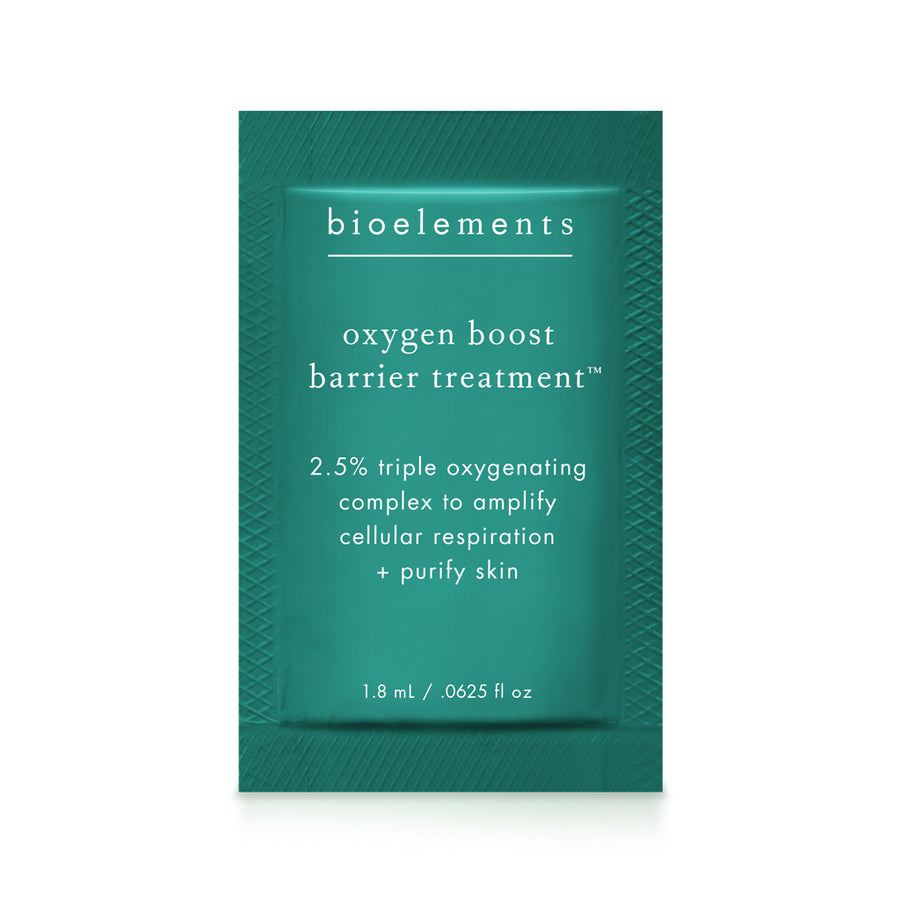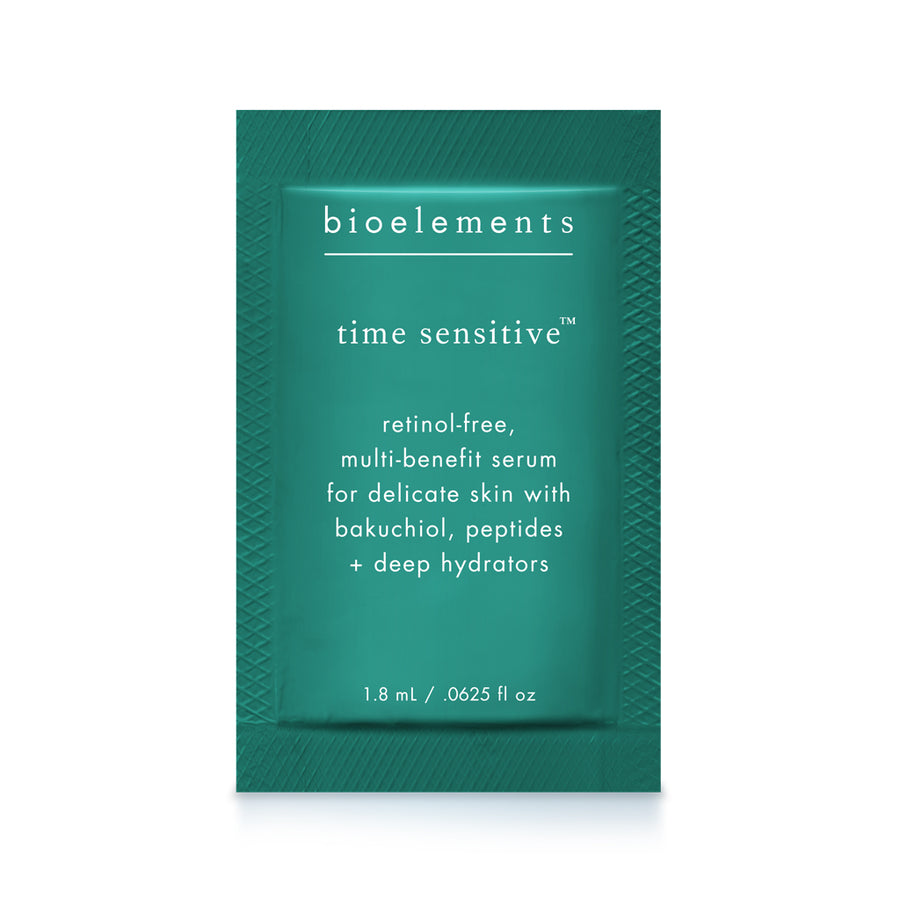

If you've been thinking about Botox (or you're already getting it), there's a biology conversation worth having. The visible changes that often prompt the question aren't solely a matter of muscle movement. They're actually rooted in what's happening within the skin itself.
Understanding the distinction between what injectables do and what skin care does isn't about choosing one over the other. It's about recognizing that they work on fundamentally different levels and that your results depend on addressing both.
What injectables and skin care each target
Injectables like Botox are neuromodulators with a precise mechanism that targets muscle movement. Repeated expressions, such as frowning, squinting, and raising the brows, gradually create lines in the skin, and Botox softens those movements so lines appear smoother. What they aren't designed to do is change the skin itself. They don't target collagen, refine surface texture, or help restore the firmness and resilience that give skin its smooth, lifted appearance.
That gap is where skin care does its work. As collagen production slows with age, the skin's internal support system becomes less structured, and expressions that once faded leave a more visible imprint. A consistent skin care routine targets that underlying shift directly. Formulas engineered with biomimetic peptides help reinforce the proteins responsible for firmness by working in alignment with the skin's own biology. Retinol-alternative complexes, including retinopeptides and bakuchiol, support cellular renewal and elasticity without the irritation that can compromise the skin barrier.
Professional treatment adds another layer. "Services like the Bioelements Uplift Firming Facial are designed to support firmness, circulation, and visible lift through targeted massage techniques and firming-focused formulas that work alongside a consistent home routine," says Beth Bialko, Bioelements esthetician. "Over time, that combination can help skin look smoother, more sculpted, and more supported overall."
Why injectables are not a replacement for skin care
The results from injectables are directly influenced by the condition of the skin receiving them. Firmer, more supported skin holds results differently than skin that's lost collagen density, compromised its barrier, or become rough in texture. In that sense, skin care isn't supplementary to injectables – it's what determines the quality of the surface those injectables are working with.
The longer-term picture is equally important. Botox addresses muscle-driven expression lines within its treatment area, but it has no effect on the full spectrum of changes occurring in the skin, such as loss of elasticity, uneven tone, diminished surface renewal, or barrier disruption. Relying on injectables without supporting skin health means allowing those underlying processes to continue unchecked. The lines may be temporarily softened, but the skin structure supporting them continues to decline.
Skin care is what manages that progression. With regular professional treatments and a consistent at-home routine, skin can gradually become smoother, firmer and more even. Lines don't disappear overnight, but they tend to look softer and less fixed because the skin holding them is functioning better.
How to protect and maintain your injectable results
Consistency in your skin care routine is what extends and enhances injectable results between appointments. Peptide-rich formulas, renewal-supporting actives like retinopeptides and bakuchiol, and barrier-focused hydration all help maintain the skin structure that makes results last.
Timing matters, too. In the days leading up to an injectable appointment, keep your routine straightforward. Avoid over-exfoliating or layering multiple strong actives, both of which increase sensitivity and compromise the skin's ability to recover from treatment. For professional facials, estheticians typically recommend scheduling before injectables or waiting at least two weeks after to allow the skin to settle. When in doubt, consult your physician.
Daily broad-spectrum SPF belongs in every routine, but it's especially critical here. UV exposure accelerates collagen breakdown, making sun protection one of the most direct ways to preserve skin quality between appointments.
Skin care and injectables aren't competing approaches. They address different biological realities, and understanding what each one does is what puts you in a position to make informed choices. If you're unsure where your routine stands, a Bioelements esthetician can assess your skin and help you build a protocol that supports your goals.
about the skin journal by bioelements
The skin journal is Bioelements professional point of view on skin health, facials, and barrier-first care. Developed in collaboration with Bioelements estheticians and educators, each article translates skin biology, biomarkers, and treatment-room experience into clear, actionable guidance for real results. Grounded in decades of professional expertise, the skin journal reflects our belief that lasting skin transformation starts with decoding skin biology – not chasing trends.