
Consistent use of a face mask can support the goals of a skin care routine, but there is no single schedule that works for every mask or every person. A hydrating formula and an exfoliating formula act differently on the skin, so they should not automatically be used with the same frequency. Your skin’s current condition matters, too: dehydration, dullness and visible buildup each call for a different approach. Start with the directions for your mask, then pay attention to how your skin responds. A barrier-first routine gives each treatment a purpose and helps you decide when it belongs in your week.
How often should you use a face mask?
Once a week is a sensible starting point, but it is not a rule you have to follow forever. The right frequency depends on the mask and what your skin needs. If dehydration is a recurring concern, you may reach for a hydrating mask more often. If a mask contains exfoliating acids, take a more measured approach and consider any other resurfacing products in your routine.
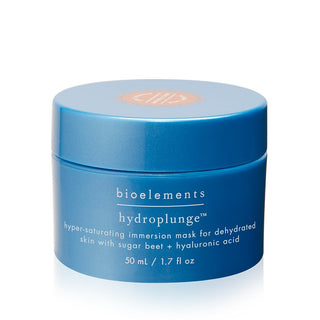
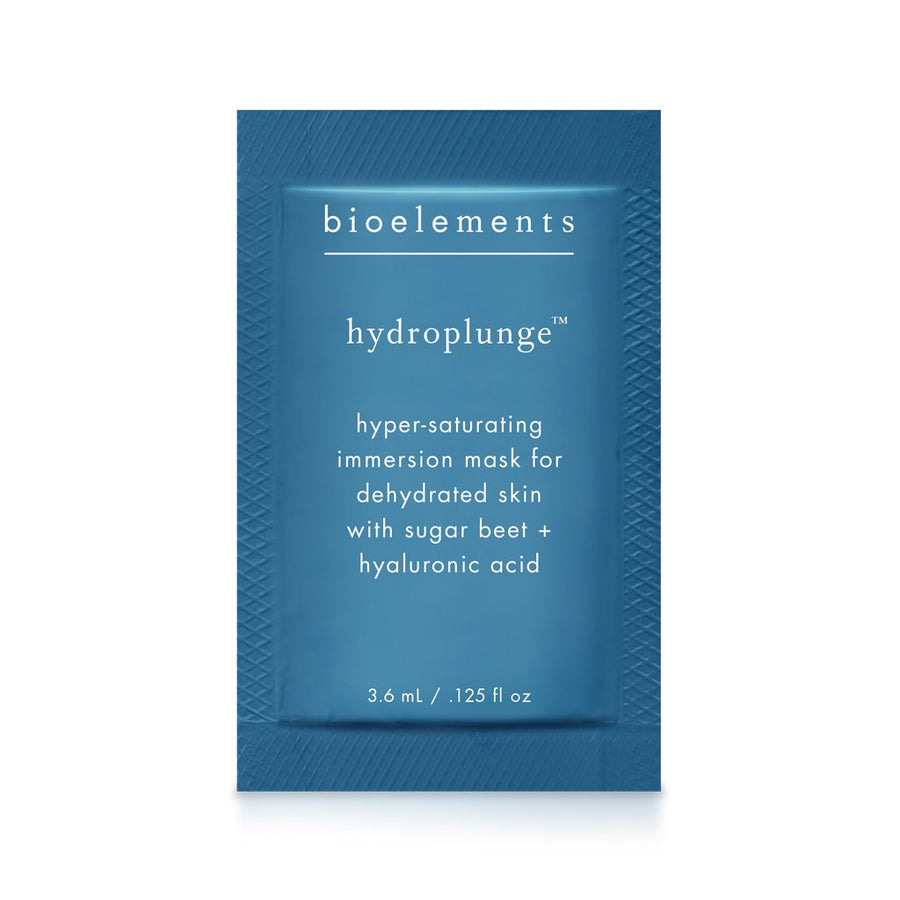
Hydroplunge, for example, can be left on for 10 to 15 minutes when skin needs a boost of moisture. It can also be used overnight for a more intensive application, and it may be used nightly when needed. That flexibility is specific to the formula; it is not a reason to use every mask every night.
“Give your skin and the product directions equal attention,” recommends Emma Nowakowski, bioelements esthetician. “A mask should have a clear purpose in your routine, whether that is addressing dehydration today or helping manage visible buildup over time.”
If you are unsure how frequently to use a particular formula, your esthetician can help you find a schedule that fits.
Match the mask to what your skin needs
Before adding masking into your routine, decide what you want the treatment to address. Skin that feels tight and dehydrated has different needs from skin that looks dull or has visible buildup.
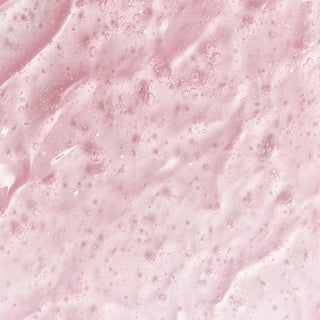
For hydration: Hydroplunge is a hydrating option for those moments when skin needs more moisture. Its formula includes purified betaine, a blend of xylitol-derived moisturizers and sodium hyaluronate, a humectant. It can be used by sensitive skin, too.
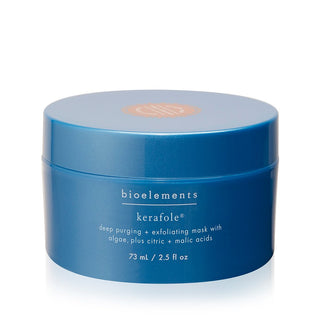
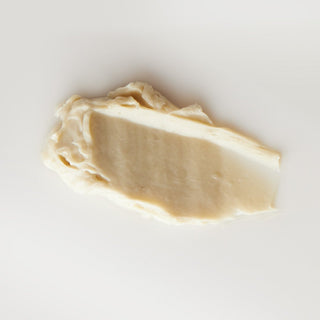
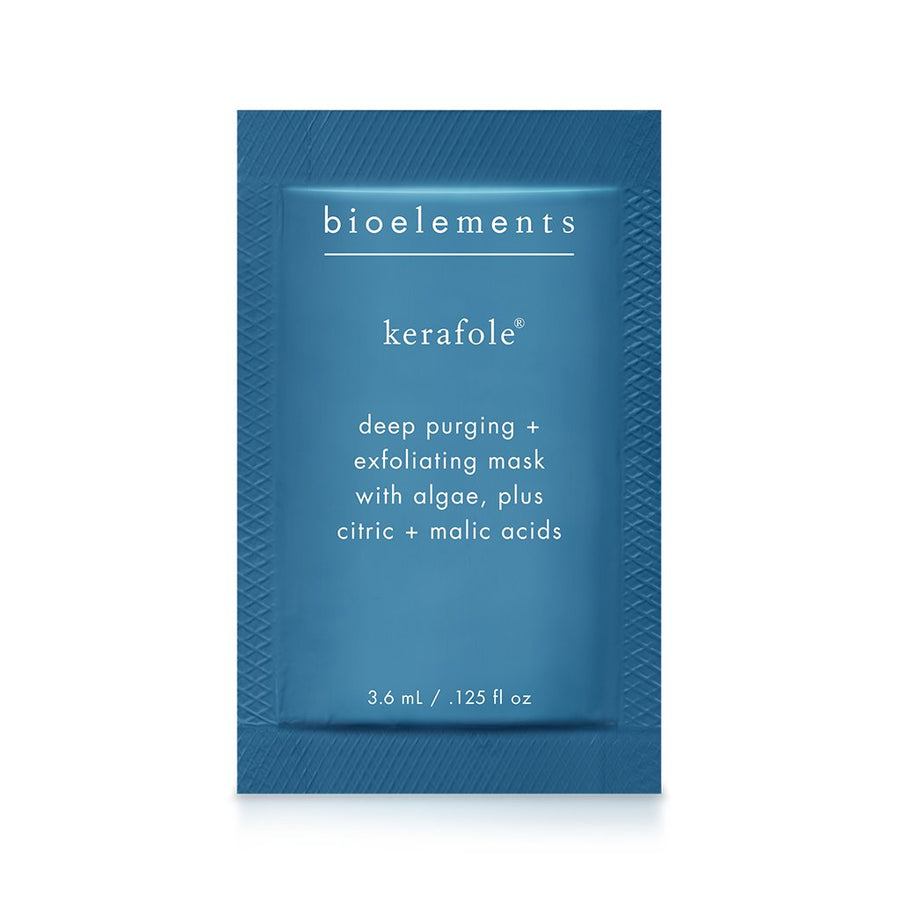
For exfoliation: Kerafole takes a different approach. Alongside hydrating ingredients, it contains malic and citric acids to exfoliate. Leave it on clean skin for 10 to 15 minutes, then rinse, keeping it away from the immediate eye area.
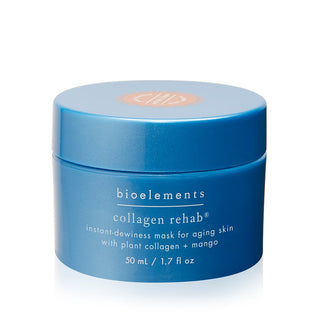
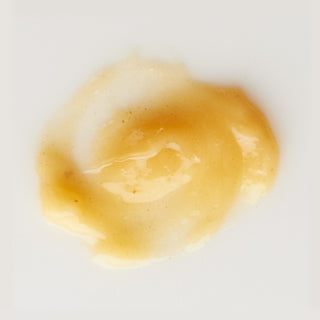
For firmness: If firmness and hydration are your focus, collagen rehab uses plant-derived amino acids, lipids and butters to support the skin – it can also be used on the lips.
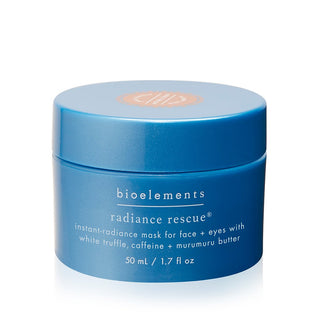
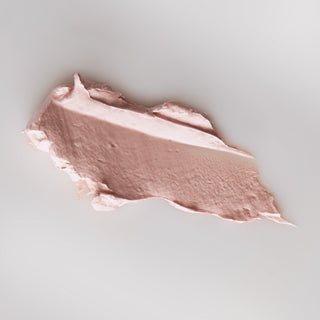
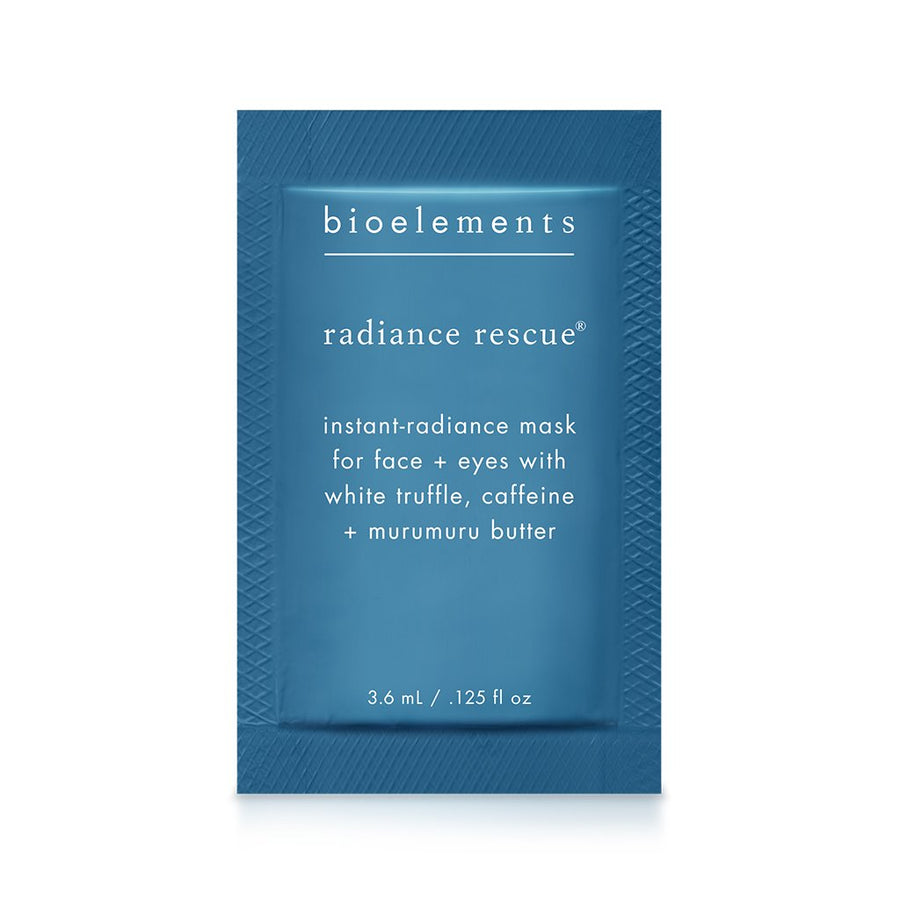
For radiance: Radiance rescue is an option when skin looks dull or devitalized, especially the under-eye area. Choosing by concern makes it easier to use each mask with intention.
Make room for your mask in the routine
For a rinse-off mask, placement is straightforward: cleanse, tone, then apply your mask before serums and moisturizer. This puts the treatment on freshly prepared skin and means you will not rinse away products you have just applied. Leave the mask on for the recommended time, rinse thoroughly and continue with your leave-on formulas. You can tone again after rinsing if you like or if directed, but it is not required. In the morning, finish with broad-spectrum sunscreen.
An overnight mask is different because it stays on the skin. Follow that formula’s directions rather than using the same sequence you would for a rinse-off treatment.
There is no need to reserve masking for a particular time of day. Evening may feel easier when you have time to complete every step. A hydrating or radiance-focused mask can also fit into a morning routine. If you are trying an unfamiliar exfoliating mask, give yourself time to learn how your skin responds before using it ahead of an event.
Can you use more than one mask?
“You absolutely can use more than one mask at once,” Emma reassures. “Your T-zone may have visible buildup while your cheeks feel dehydrated. Instead of treating both areas identically, you could apply kerafole where you want to exfoliate and hydroplunge where you want moisture. You can also use different masks on different days, choosing the one that addresses what you are noticing then.”
This “mosaic zone” approach is useful when your skin does not fit neatly into one category. It also helps you avoid adding treatments simply because it is “mask night.” Look at the areas you want to target and consider what is already in your routine. If you use other resurfacing formulas, factor those in before reaching for an exfoliating mask. If an area feels sensitive, consider its needs separately.
The aim is a routine that works with skin biology as conditions change. Sometimes that means masking weekly. Sometimes it means using a hydrating formula more often or choosing a different mask for a different concern.
There is no universal number of masking days to aim for. Start with the directions for your formula and a manageable weekly rhythm, then adjust according to your skin’s needs. Choose hydration when skin feels depleted, exfoliation when you want to address buildup, or a targeted formula for dullness or firmness. If you would like a more personal recommendation, talk with your esthetician. They can help you choose masks that complement the rest of your skin care routine and decide how often to use them.