
Face masks are often treated like a flexible extra, added wherever there is time. But placement matters. A rinse-off face mask is a concentrated treatment step. It belongs after cleansing and toning, when the skin is prepared to receive it, and before serums and moisturizer, which are designed to remain on the skin.
Using a mask in the correct order allows the formula to work without leave-on treatment layers getting in the way. It also prevents you from applying serums or moisturizer only to rinse them away moments later. The sequence is simple, but it can determine whether masking supports your routine or simply adds another step.
Where does a face mask go in your routine?
Applying face masks after cleansing and toning, but before serums, problem solvers and moisturizer gives the mask direct access to freshly cleansed, prepared skin without other leave-on formulas getting in the way.
A complete masking routine can look like this:
- Cleanse
- Tone
- Apply your mask
- Leave it on for the recommended amount of time
- Rinse thoroughly
- Reapply toner if desired or directed
- Apply serum or other targeted formulas
- Moisturize
- Finish with broad-spectrum sunscreen in the morning
Toning twice is not a requirement. The first application helps prepare skin for the mask. A second application after rinsing can refresh the skin before the rest of your routine. Follow the directions for the formulas you are using and pay attention to how your skin responds.
What matters most is applying a rinse-off mask before your leave-on treatment steps. Putting it over serum or moisturizer creates an unnecessary layer between the mask and your skin, then sends those formulas down the drain when you rinse.
Overnight masks are different because they are designed to remain on the skin. Their placement can vary, so follow the directions for the specific formula rather than applying the same routine rules to every mask.
Is it better to mask in the morning or at night?
Night is often the easiest time to mask, but not because skin can only benefit from it then. An evening routine simply gives you more time to cleanse thoroughly, leave the formula on as directed and complete the rest of your skin care without rushing.
Morning masking can make sense too. A hydrating or radiance-boosting formula can help visibly refresh skin before makeup or an event. Just avoid testing an unfamiliar resurfacing or purifying mask immediately before something important. Introduce more active formulas well in advance so you know how your skin responds.
The clock is less important than consistency, correct use and the condition you are trying to address.
How often should you use a face mask?
There is no universal masking schedule because different formulas perform different jobs. Frequency should follow the mask and your skin's current condition, not an arbitrary calendar.
A weekly treatment may be enough for some skin. Certain hydrating masks can be used more often when dehydration is persistent, while masks with resurfacing ingredients require more restraint. Always begin with the product directions, then adjust based on how your skin responds or the schedule professionally recommended by your esthetician.
More masking does not automatically mean better results. Leaving a formula on longer than directed, using it too frequently or stacking several intensive treatments in one routine can place unnecessary stress on the skin barrier.
Professional masks vs. sheet masks
Sheet masks are easy to find on mass-retail shelves, but a serum-soaked sheet is not the same as a professional treatment mask. Professional masks can do more, with formulas designed to hydrate, firm, resurface, purify or support the skin barrier. They also allow for multi-masking, provide multiple uses and create less single-use waste.
Can you use more than one face mask?
Yes. One face can display more than one condition at the same time. A congested T-zone and dehydrated cheeks do not need to be treated identically.
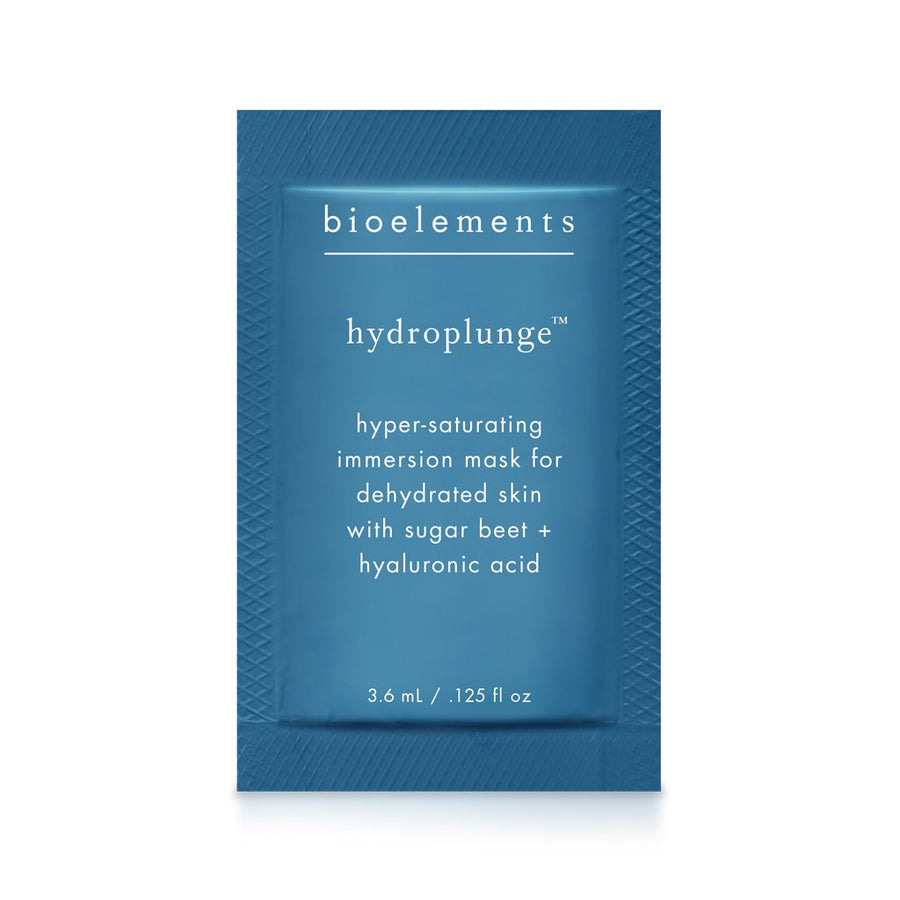
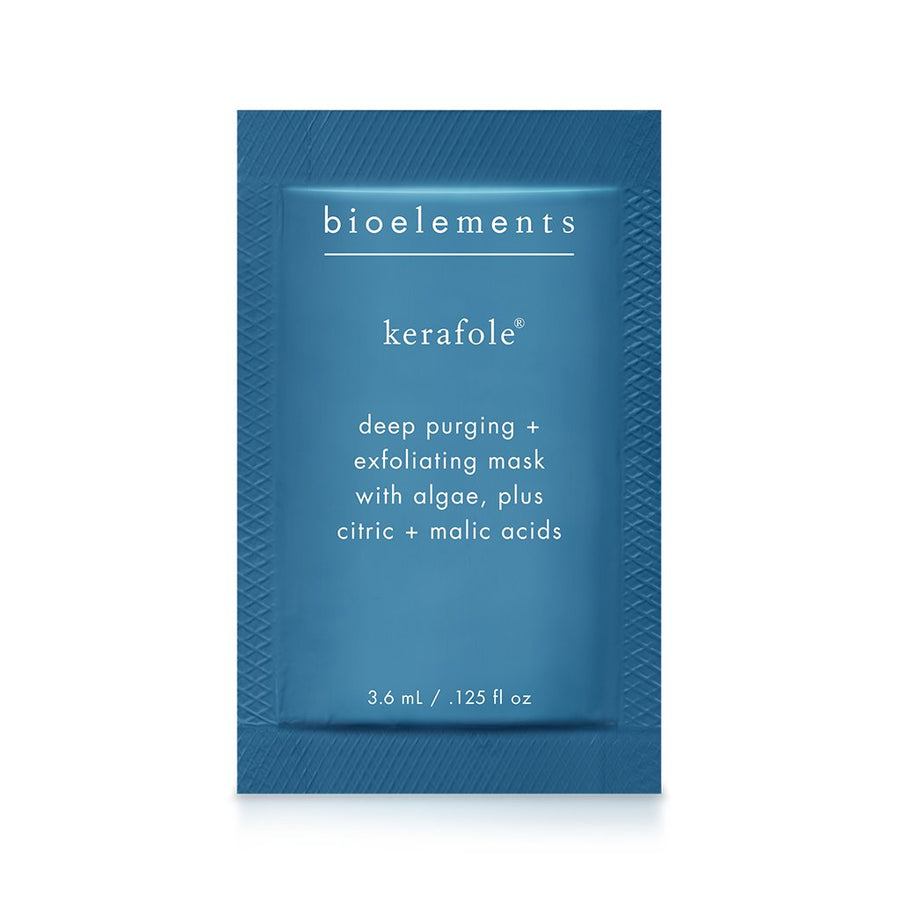
With multi-masking, you can apply kerafole where buildup is visible and hydroplunge where skin needs moisture. You can also alternate masks on different days, using each one when its specific action is needed.
This zone approach is more precise than applying the same formula everywhere out of habit. It responds to the skin in front of you rather than forcing it into one fixed category.