
According to estheticians: key takeaways
-
The best dark spot routine includes gentle exfoliation, antioxidants, calming ingredients, daily barrier support and SPF.
-
Dark spots are caused by UV exposure, inflammation, hormonal changes and environmental stress.
-
Vitamin C, gentle exfoliating acids, niacinamide and pigment-targeting ingredients help fade discoloration over time.
When estheticians build a dark spot routine, the focus is simple and strategic: gentle exfoliation, antioxidants, calming ingredients, and daily SPF. Together, these steps help brighten uneven tone and keep discoloration from coming back.
Why this works: Because dark spots aren’t just about pigment sitting on the surface. They’re influenced by inflammation, slower cell turnover, environmental stress, and daily UV exposure. Support those processes, and skin fades discoloration more evenly, and holds onto results longer.
Why do dark spots happen?
Think of dark spots as your skin keeping receipts. Over time, internal factors (like aging and hormones) and external stressors (sun, pollution, lifestyle habits) affect how skin repairs itself.
All of this stress creates free radical damage, which disrupts normal cell turnover and signals skin to produce excess pigment. The result? Uneven tone, stubborn marks and discoloration that feels harder to fade as skin matures.
What makes dark spots worse?
Some triggers tell pigment cells to go into overdrive. Estheticians most often see these repeat offenders:
- Sun exposure: The biggest culprit. UV rays trigger inflammation and stimulate melanin, darkening existing spots and creating new ones.
- Hormonal changes: Pregnancy, oral contraceptives, menopause, and chronic stress can all contribute to melasma and uneven tone.
- Skin injury + inflammation: Breakouts, cuts, burns, waxing, friction—when skin is injured, pigment often follows.
-
Pollution: Environmental pollutants create oxidative stress in skin, making discoloration deeper and more persistent over time.
What ingredients actually help dark spots?
Antioxidants
UV rays and pollution don’t just age skin – they make pigment linger. Antioxidants help neutralize this stress so dark spots can fade more efficiently.
- Vitamin C: A gold-standard brightener that helps protect skin from oxidative damage while improving overall radiance and firmness.
- Phenylethyl resorcinol: Works at the source of pigmentation and is clinically proven to visibly improve uneven tone and UV-induced discoloration.
Exfoliating acids
Discoloration often gets trapped in layers of dull, dead skin. Gentle exfoliation helps lift that buildup so brighter skin can come through – without pushing skin into irritation mode.
- Gluconolactone: A poly-hydroxy acid (PHA) known for effective exfoliation with a softer, more skin-friendly touch.
- Tranexamic acid: Can help reduce the appearance of hyperpigmentation and brighten dark spots.
Anti-inflammatories
Inflammation is one of the biggest triggers of hyperpigmentation. When skin feels irritated or stressed, it’s more likely to produce excess pigment. Anti-inflammatory ingredients help calm skin so it can heal evenly.
-
Niacinamide: Helps visibly improve uneven tone, reduce post-inflammatory hyperpigmentation, and support a more balanced complexion.
How estheticians build a dark spot routine
Hyperpigmentation didn’t show up overnight – and it won’t disappear overnight either. Real results come from consistency, patience, and barrier-friendly care, not aggressive shortcuts.
This is the suggested routine to help you build an effective dark spot routine after cleansing and toning.
Step 1: Exfoliate (Low pH)
Exfoliating first clears away surface buildup and helps every product that follows work harder. Choose based on how your skin feels right now:
- quick refiner: For rough texture, dullness, clogged pores and/or sun damage, this leave-on gel AHA exfoliator targets pores, dullness and lines as it brightens the entire complexion.
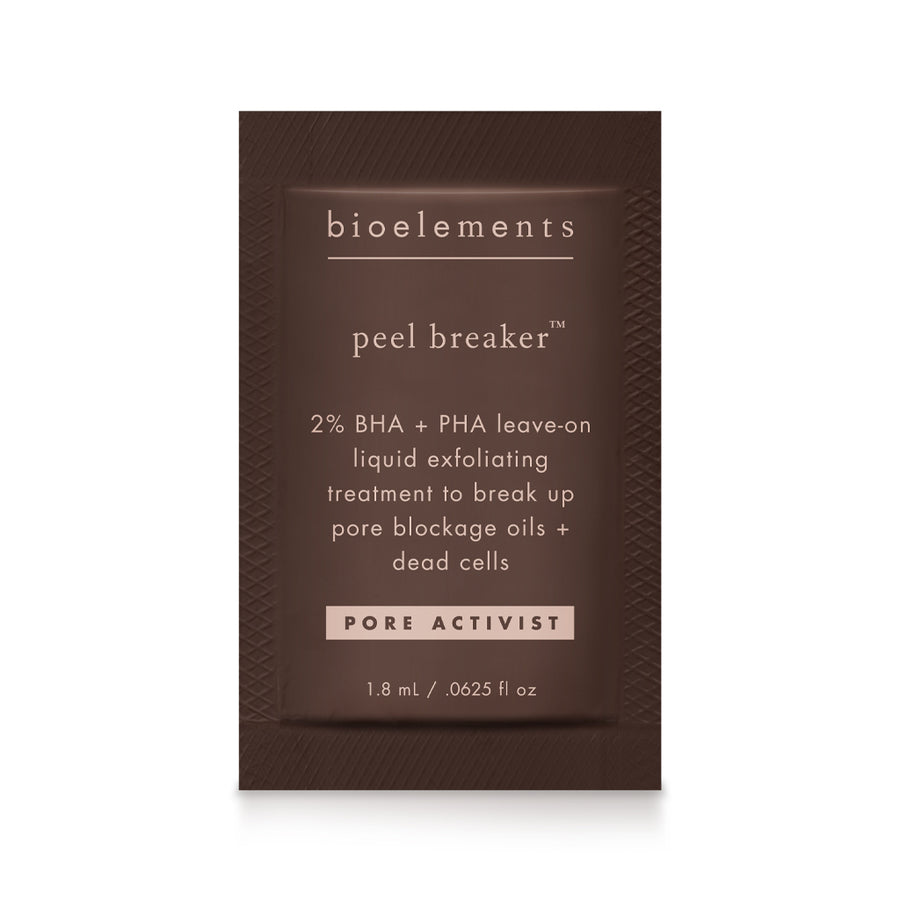
- peel breaker: For acne-prone and oily skin types dealing with breakouts, flakiness, enlarged pores and/or texture, this leave-on liquid exfoliating treatment helps break up pore blockage oils + dead cells.
Let the exfoliant absorb for about a minute before moving on.
Step 2: Spot treat
Now it’s time to get targeted. This step is for dark spots only, not the entire face.
-
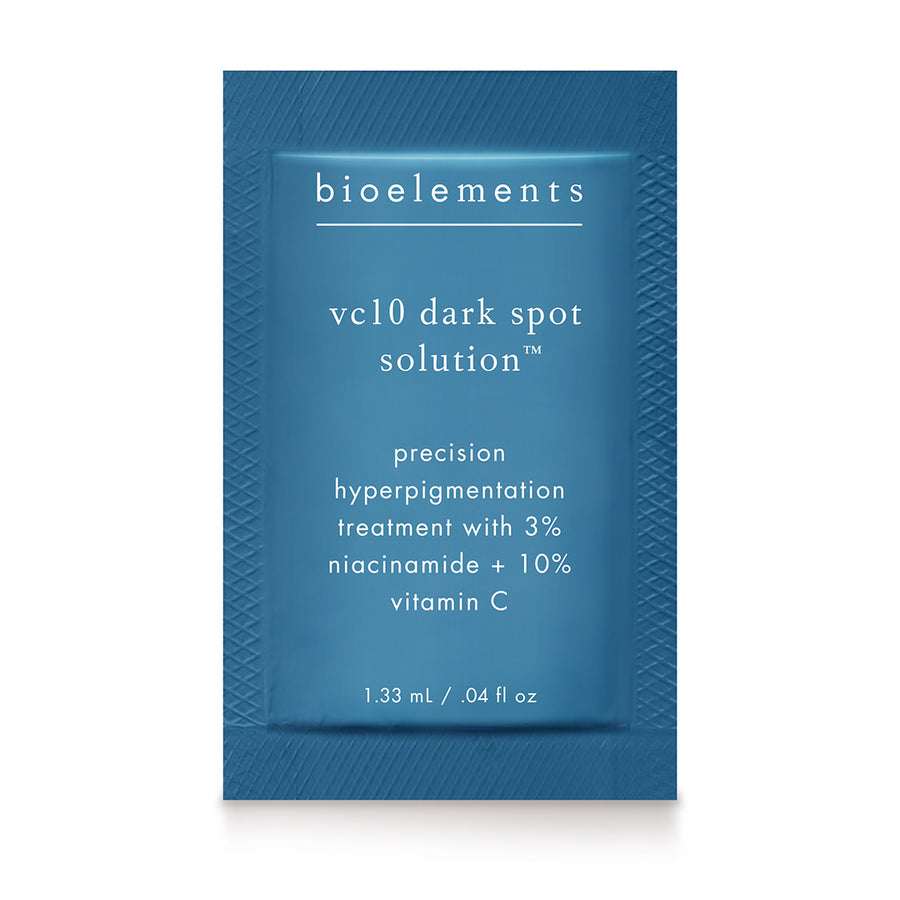
vc10 dark spot solution: Formulated with tranexamic acid, plus vitamin C and 3% niacinamide to help improve discoloration and correct the appearance of dark spots.
Step 3: Incorporate vitamin C
Vitamin C is the brightening MVP. These two formulas are designed to work as a day-and-night duo:
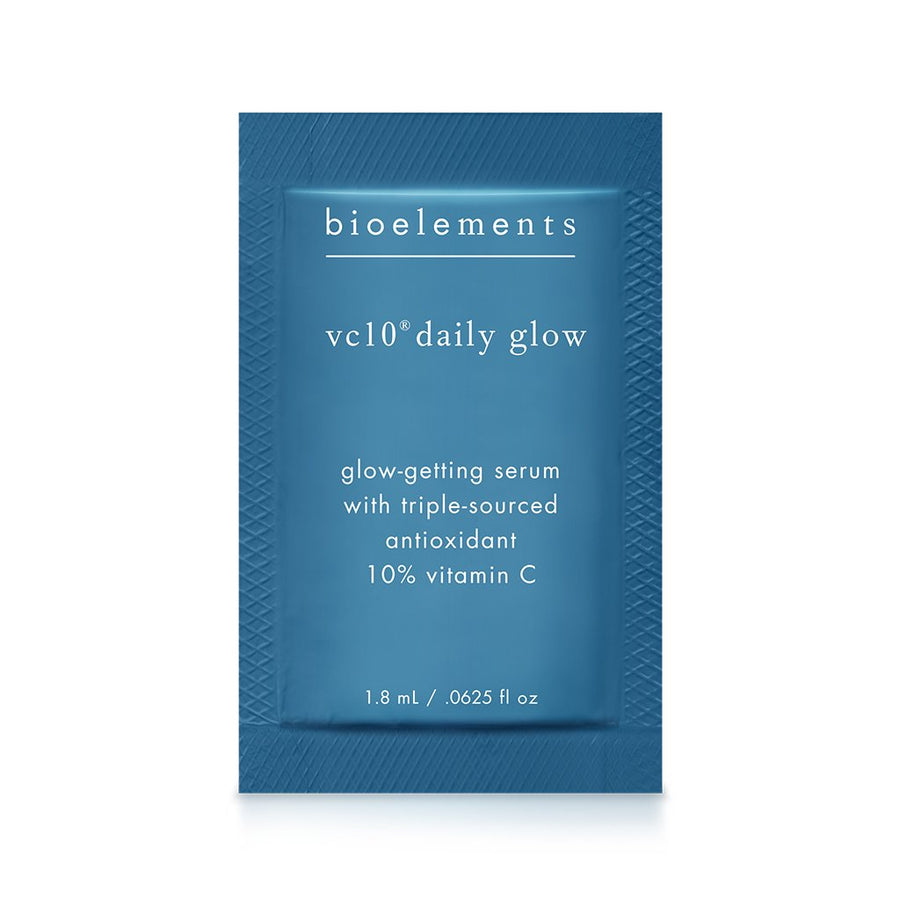
- vc10 daily glow: For the AM; A glow-getting 10% vitamin C serum that helps brighten and protect with antioxidant support
- vc10 nightly bright: For the PM; This overnight sensation increases luminosity, evens tone + discoloration, targets pores, and helps support collagen.
Again, give a little breathing room between layers – about a minute each.
Step 4: Support your barrier
Brightening works best when skin feels supported. This final layer helps lock in hydration, calm skin, and keep results on track. Choose a formula that fits your skin’s current condition:
- barrier fix daily hydrator: For sensitive skin types dealing with dehydration, redness + sensitivity, this clinical moisturizing treatment targets irritation and strengthens the barrier.
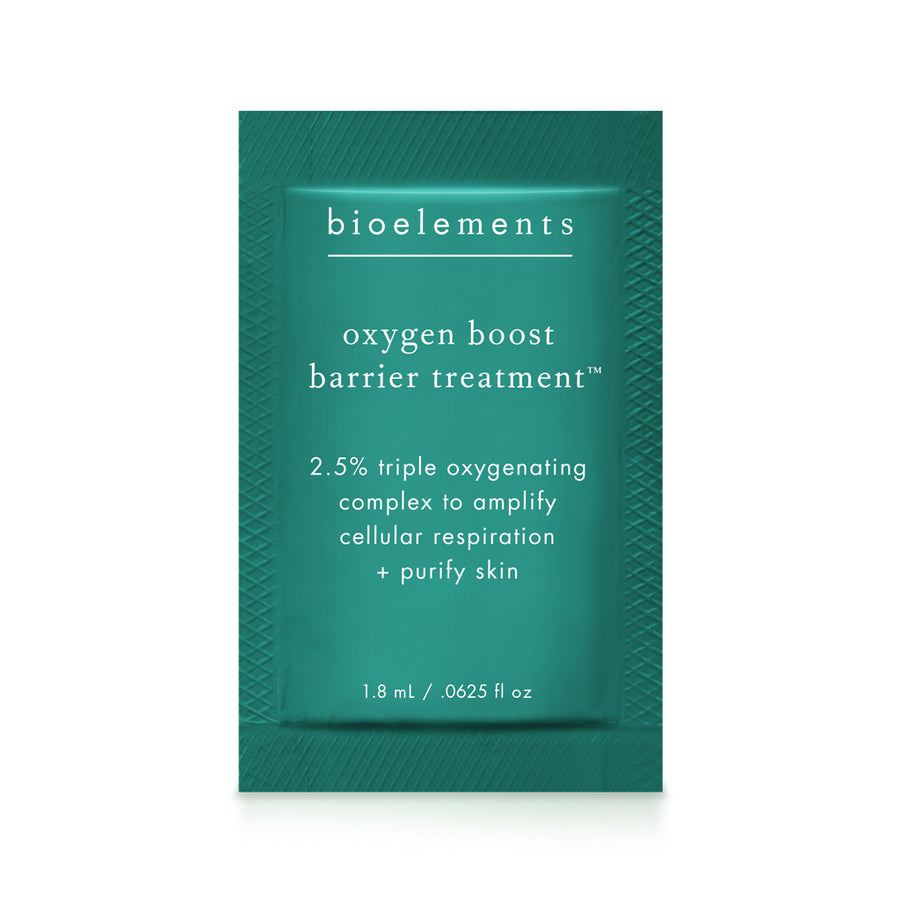
- oxygen boost barrier treatment: For acne-prone and sensitive skin types dealing with breakouts, clogged pores, dehydration, dullness and/or sensitivity, this supplemental barrier-repair treatment helps breathe air into the skin.
Step 5: Protect with SPF
SPF is the step that keeps dark spots from coming back. UV exposure is the biggest trigger for hyperpigmentation, and even everyday exposure can undo progress. Apply a broad-spectrum sunscreen every morning as your final step to protect results and prevent new discoloration.
- raydefense: Lightweight and hydrating, this SPF 30 protects without adding shine.
- spf 50 facescreen: For those wanting to target early skin aging alongside UV damage, this SPF 50 is our pros' go-to pick.
FAQs: Dark spots
What is the best skin care routine for dark spots?
The best dark spot routine includes gentle exfoliation, targeted brightening ingredients, antioxidants, calming care, daily barrier support, and broad-spectrum SPF. This combination helps fade existing discoloration while preventing new dark spots from forming.
Why do my dark spots come back after they fade?
Dark spots often return due to sun exposure, inflammation, or hormonal changes. Without daily SPF and calming care, pigment can be re-stimulated even after spots fade.
Should I use dark spot products all over my face or only where I see spots?
Target pigment-correcting treatments directly on dark spots. Brightening serums like vitamin C can be used more broadly to help support overall tone and prevent new discoloration from forming.
Does exfoliation help fade dark spots?
Yes. Exfoliation helps remove surface buildup that can trap pigment, allowing brighter skin to come through. Gentle acids are preferred, as over-exfoliation can worsen hyperpigmentation.
Pro picks featured in this article
Swipe through to build a dark spot routine.


peel breaker
2% BHA + PHA leave-on liquid exfoliating treatment to break up pore blockage oils + dead cells

vc10 dark spot solution
precision hyperpigmentation treatment with 3% niacinamide + 10% vitamin C


vc10 nightly bright
overnight brightening creme with triple-sourced antioxidant 10% vitamin C

barrier fix daily hydrator
whipped hyaluronic acid + silver ear mushroom to calm
reactive skin

oxygen boost barrier treatment
2.5% triple oxygenating complex to amplify cellular respiration + purify skin