According to estheticians: key takeaways
-
Acne is a genetic skin type that can show up from your teens through menopause (and beyond).
-
Breakouts don’t have one cause. They are driven by four key factors working together: excess oil, skin cell buildup, bacteria and inflammation.
-
A successful acne routine focuses on gentle exfoliation, oil balance, calming inflammation and daily barrier support.
-
Clearer skin comes from consistency, not aggressive treatments or quick fixes.
When estheticians build an acne routine, the goal isn’t to “dry out” skin or attack every blemish on sight. It’s a smarter, more supportive strategy: keeping pores clear, calming inflammation, protecting the skin barrier and helping breakouts move through their lifecycle with less drama and fewer setbacks.
Because acne isn’t just one thing. It’s several things happening at once. And when a routine supports all of them together, skin becomes more predictable, heals more evenly and stays clearer for the long haul.
What causes acne?
Acne affects nearly 50 million Americans every year, showing up anywhere from adolescence through adulthood, and, yes, even into menopause. While lifestyle and skin care habits can influence how acne looks and feels, the tendency to break out is largely written into our DNA.
Estheticians look at acne through four key contributing factors:
1. Excess oil production
Acne-prone skin doesn’t just make more oil; it makes oil that’s thicker and stickier. This altered sebum doesn’t flow easily out of the pore, allowing buildup to start deep inside the follicle.
To target this factor, estheticians often look for ingredients like colloidal sulfur, niacinamide, and oil-absorbing clays (such as bentonite and kaolin) to help keep pores clear and oil more balanced without stripping the skin.
2. Skin cell buildup
In acneic skin, cell turnover speeds up, but shedding slows down. This mismatch (known as retention hyperkeratosis) causes dead skin cells to accumulate and mix with oil, forming a plug that traps everything inside the pore.
To support smoother turnover, estheticians rely on ingredients like azelaic acid, gentle exfoliating acids, sulfur and gluconolactone to help clear buildup while respecting the skin barrier.
3. Bacteria
Cutibacterium acnes naturally lives on the skin. But when a pore becomes blocked and oxygen levels drop, this anaerobic bacteria thrives. As it feeds on trapped sebum, it releases irritating fatty acids that trigger inflammation.
Ingredients estheticians use to help manage this factor include hydroxy acids, sulfur, and stabilized hydrogen peroxide, which help create an environment where breakouts are less likely to escalate.
4. Inflammation
Inflammation is what turns congestion into visible breakouts, such as papules, pustules, cysts, and nodules. It also slows healing, weakens the barrier, and increases the chance of lingering dark marks long after a blemish is gone.
Estheticians look for calming, multitasking ingredients like niacinamide, hydroxy acids and active botanical blends (i.e., lilac, lavender, oregano) to help skin recover more smoothly.
Why barrier support matters for acne
One thing estheticians never skip when treating acne? The skin barrier.
Acne-prone skin is often naturally lower in key barrier lipids: ceramides, cholesterol and linoleic acid. When these are depleted, and the skin barrier is compromised, skin loses moisture faster, becomes inflamed more easily, and produces even more oil to compensate.
Supporting the skin barrier helps break this cycle, so breakouts can calm and heal faster.
How estheticians build an acne routine
Acne isn’t just one problem to fix – it’s a combination of factors to support. Estheticians take a whole-skin approach, choosing formulas that work together to keep pores clear, calm inflammation and protect the barrier.
This is the acne routine estheticians recommend:
Step 1: Cleanse
Cleanse morning and night with a formula that removes buildup while maintaining moisture, so skin stays balanced – not dried out.
-
Our estheticians recommend: pore thing, a barrier-friendly, daily cleansing gel with multi-level exfoliators to target problem pores and clarify skin. Sebum-soluble salicylic acid penetrates through excess oil and clogging debris to break down impurities.
Step 2: Exfoliate
Choose a leave-on exfoliant that helps target pores and gently smooth texture, without compromising barrier health.
-
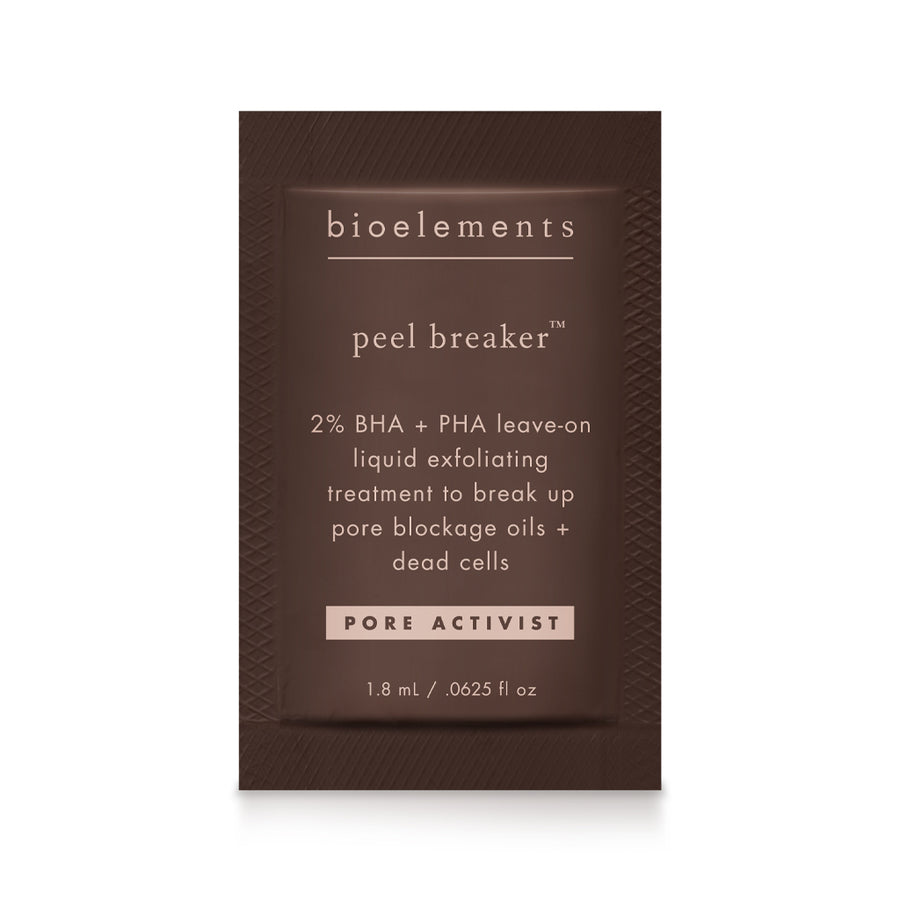
Our estheticians recommend: peel breaker, a liquid leave-on exfoliator that breaks up clogging oils and dead skin cells to help minimize pore appearance and maintain clarified skin.
Step 3: Heal
Support healing with a serum that calms active breakouts without pulling moisture from the skin.
-
Our estheticians recommend: daily meds, a non-drying, daily-use serum to clear and heal acne as it diminishes lines, uneven skin tone and dullness. 2% medicinal salicylic acid eliminates the acne bacteria environment and exfoliates pore-clogging skin cells to clear blackheads and whiteheads.
Step 4: Hydrate
Hydration is essential for acneic skin. Even when skin feels oily, skipping moisturizer can throw off your skin barrier and slow down acne healing.
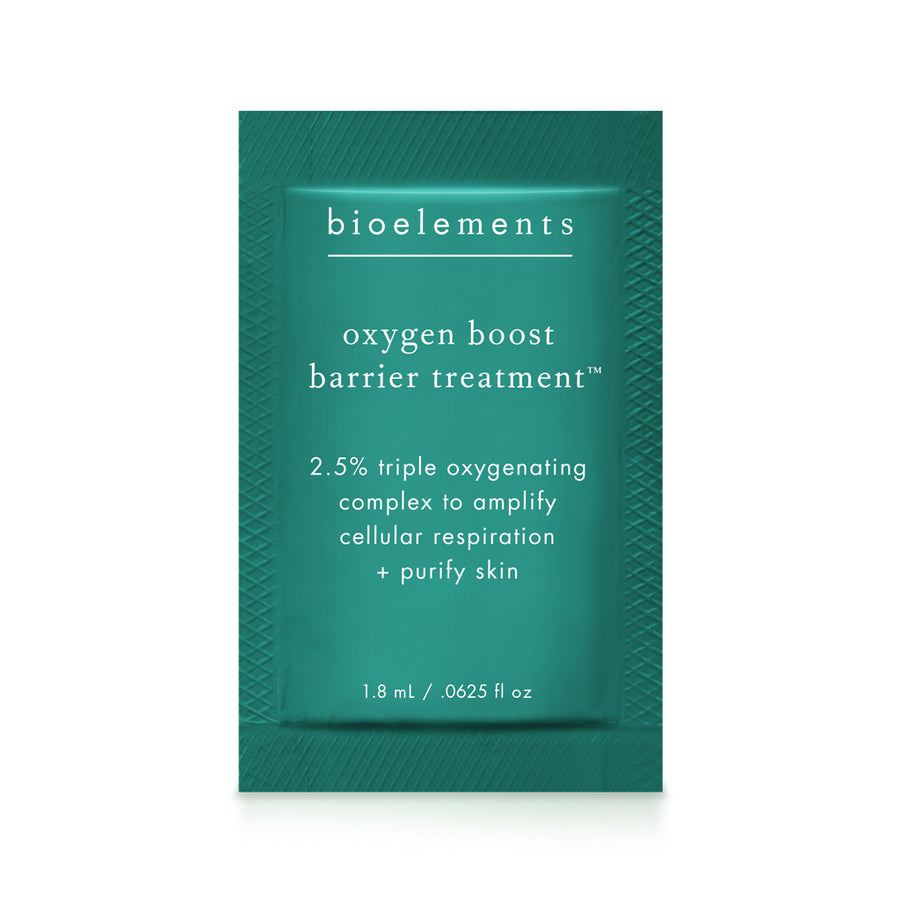
- Our estheticians recommend: oxygen boost barrier treatment, a 2.5% triple oxygenating complex to amplify cellular respiration and purify skin. A complex of stabilized hydrogen peroxide, dermal respiratory factor + sea kelp purifies pores and supports the skin barrier as breakouts heal.
Step 5: Spot treat
Apply a targeted spot treatment to active breakouts, one that supports healing without irritating the surrounding skin.
-
Our estheticians recommend: spot defy, a fast-acting, precision spot treatment to clear acne and allow it to heal overnight – without irritation. 5% medicinal colloidal sulfur treats blackheads and whiteheads, absorbs excess sebum and reduces acne bacteria to prevent repeat breakouts.
FAQs: Acne skin care routine
What causes acne?
Acne isn’t caused by one single thing. It’s a genetic skin type influenced by four main factors happening at the same time: excess oil production, cellular buildup, acne-causing bacteria, and inflammation.
Can this acne routine work for adult or hormonal acne?
Yes. Barrier-first routines support acne at all ages, including hormonal and menopausal breakouts.
Why doesn’t “drying out” my skin stop breakouts?
Because acne-prone skin is often already compromised. Over-drying strips the barrier, increases inflammation and can actually trigger more oil production.
Is acne caused by poor skin care or diet?
No. While habits can influence acne, the tendency to break out is largely genetic and related to how the skin produces oil and sheds cells.
Can moisturizing make acne worse?
No. Moisturizing helps reduce moisture loss and prevents the skin from producing excess oil that can clog pores.
Pro picks featured in this article
Swipe through to build an acne skin care routine.

pore thing
daily cleansing gel with 1.5% salicylic acid + azelaic acid to target problem pores

peel breaker
2% BHA + PHA leave-on liquid exfoliating treatment to break up pore blockage oils + dead cells

daily meds
acne clearing serum with medicinal beta + alpha hydroxy acids plus niacinamide to target lines, tone + dullness

oxygen boost barrier treatment
2.5% triple oxygenating complex to amplify cellular respiration + purify skin