
Menopause changes your skin in ways that can feel confusing. The routine you’ve trusted for years suddenly doesn’t deliver the same results. Your skin may feel drier, more sensitive or less firm, sometimes all at once.
This isn’t your imagination. Hormonal shifts, especially changes in estrogen and progesterone, affect how your skin holds moisture, renews itself, manages redness and maintains structure.
Instead of guessing, estheticians look at menopause skin biomarkers: visible signs on the skin that show how hormonal changes are showing up and what support your skin needs now. Let’s break down how estheticians build a menopause skin routine.
What are menopause skin biomarkers?
Think of biomarkers as clues. They’re the changes you can see and feel that help explain why your skin behaves differently during perimenopause, menopause and beyond. Understanding these biomarkers makes it easier to build a routine that supports your skin instead of overwhelming it.
The biomarkers of menopause (and what they mean for your skin)
Dryness + dullness
During menopause, skin has a harder time holding onto moisture and renewing itself at the same pace.
You may notice:
- Skin feels dry or tight soon after cleansing
- Moisturizer doesn’t seem to last
- Flakiness or rough texture
- Loss of natural glow
Loss of firmness + elasticity
As estrogen declines, the skin’s natural support system weakens.
You may notice:
- Softer facial contours
- Skin feels less springy
- Fine lines feel more visible
-
Makeup settles differently
Increased sensitivity + flushing
Hormonal shifts can make skin more reactive and prone to redness.
You may notice:
- Redness or flushing that appears easily
- Stinging with products you used to tolerate
- Heat or warmth during hot flashes
- Skin that feels easily irritated
Hyperpigmentation
Changes in hormone signals can affect how evenly skin produces pigment.
You may notice:
- Dark spots or sun patches
- Uneven or blotchy tone
- Discoloration that’s harder to fade
- Pigmentation that lingers longer
Thinning skin
Lower estrogen affects skin thickness and resilience.
You may notice:
- Skin feels more delicate
- Slower healing
- Less volume or cushioning
-
Skin marks more easily
How estheticians build a menopause skin care routine
When treating menopausal skin, estheticians focus on comfort, balance and long-term support. The goal is to work with hormonal changes, not fight them.
Here’s how estheticians build a menopause skin care routine step by step:
Step 1: Cleanse gently, without stripping
Choose a cleanser that leaves skin feeling soft and comfortable, not tight. This helps prevent dehydration from starting at the first step and supports skin that’s already producing fewer natural oils. Our pros recommend moisture positive cleanser, a rich, hydrating creme cleanser with balancing adaptogens for dry skin.
Biomarker(s) this step supports: dryness + dullness, thinning skin
Step 2: Rehydrate and nourish right away
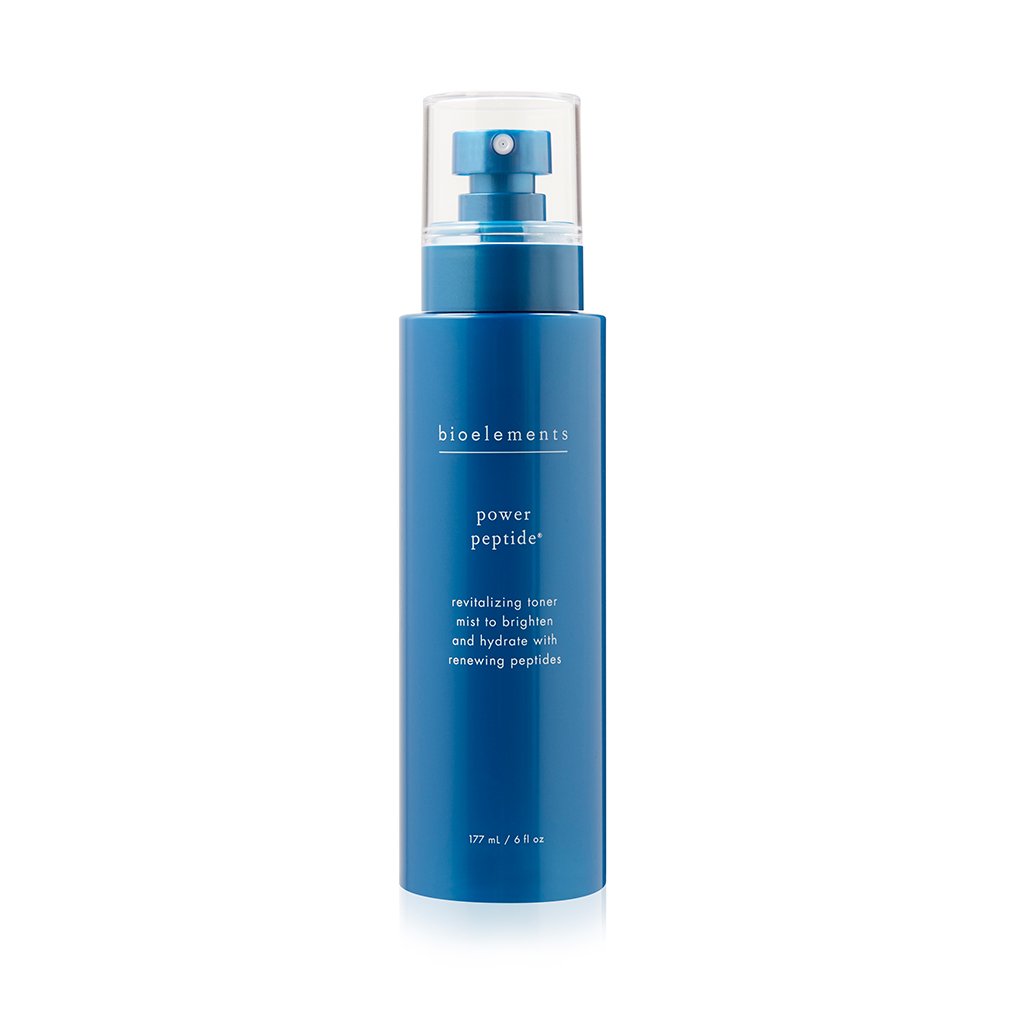
Apply a soothing, hydrating toner mist immediately after cleansing. This helps replace lost moisture and nourishes depleted skin before treatments are applied. Our pros recommend power peptide, a revitalizing toner mist to brighten and hydrate with renewing peptides.
Biomarker(s) this step supports: increased sensitivity + flushing, dryness + dullness
Step 3: Encourage gentle renewal
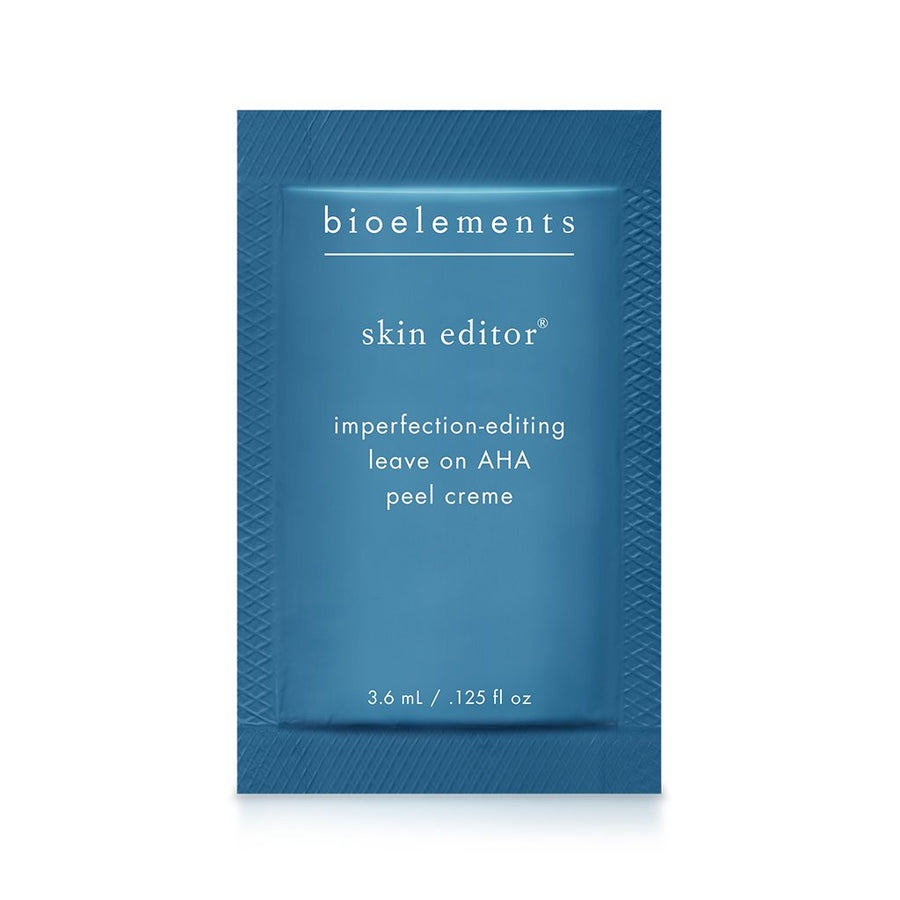
Use a mild treatment that supports skin renewal without irritation. This helps improve texture and brightness while respecting sensitive, hormonally changing skin. Our pros recommend skin editor, a leave on AHA peel creme to target texture, dullness, congestion, discoloration and lines
Biomarker(s) this step supports: dryness + dullness, hyperpigmentation
Step 4: Support firmness and resilience
Apply a targeted treatment that helps skin feel more supported and resilient over time. This step focuses on long-term comfort and visible structure, not aggressive tightening. Our pros recommend peptide architect, a cellular longevity serum with bioidentical + biomimetic peptides
Biomarker(s) this step supports: loss of firmness + elasticity
Step 5: Seal in comfort with a hydrating treatment
If additional, replenishing moisture is needed, layer a formula that helps skin hold hydration, feel cushioned and stay comfortable throughout the day or night. Our pros recommend iconic hyaluronic, a multi-molecular hydration serum for hormonally dry skin.
Biomarker(s) this step supports: dryness + dullness, thinning skin
Step 6: Finish with an emollient moisturizer
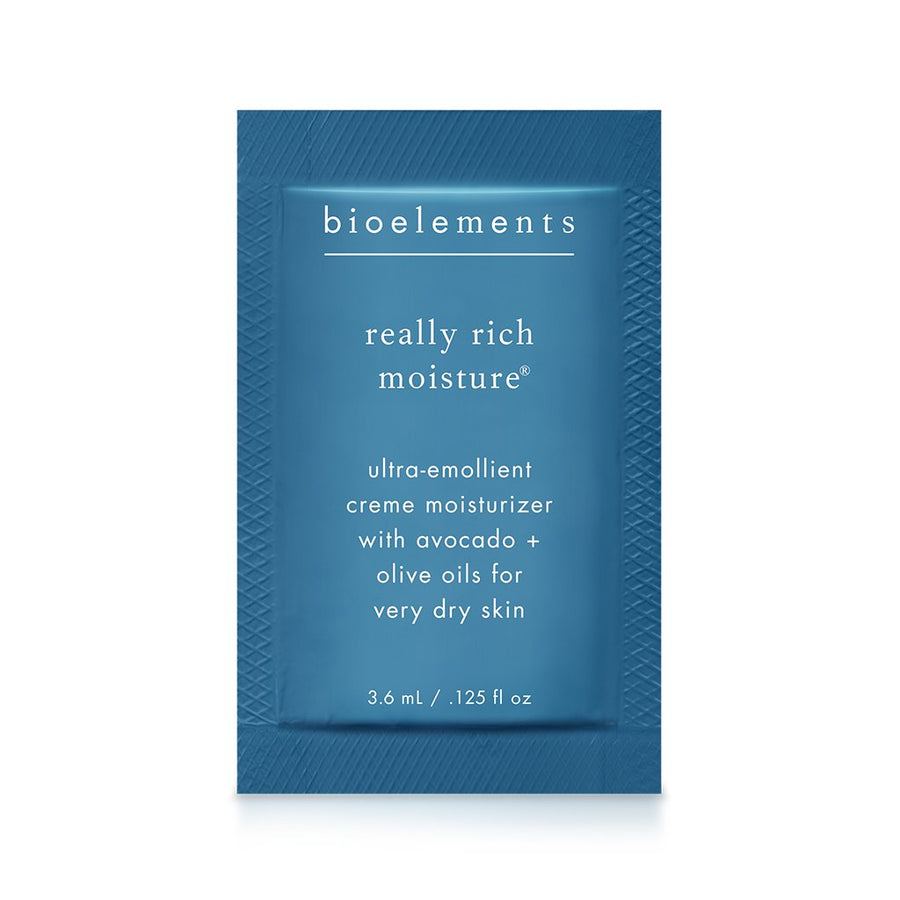
Lock everything in while relieving uncomfortably dry skin with a rich, replenishing moisturizer. This finishing touch helps correct dryness and alleviate that tight, pulled skin feeling. Our pros recommend really rich moisture, an ultra-emollient creme moisturizer with avocado and olive oils for very dry skin
Biomarker(s) this step supports: dryness + dullness
FAQs: Menopause skin care routine
Why does my skin feel so different during menopause?
Hormonal changes affect hydration, firmness, cell renewal and sensitivity, which can change how skin looks, feels and reacts.
Why is my skin dry but still flushed or irritated?
During menopause, inflammation can increase even as oil production declines, leading to dryness alongside redness or sensitivity.
Why do dark spots seem harder to fade during menopause?
Slower cell turnover combined with increased sensitivity can make pigmentation more persistent and slower to improve.
Is thinning skin normal during menopause?
Yes. Reduced estrogen impacts skin thickness, cushioning and the skin’s ability to heal and repair itself.
What should I look for in a menopause skin care routine?
Focus on hydration, calming care and gentle support. When skin feels supported, it’s better able to respond and rebalance.
Pro picks featured in this article
Swipe through to build a menopause skin routine.

moisture positive cleanser
rich, hydrating creme cleanser with balancing adaptogens
for dry skin

skin editor
leave on AHA peel creme to target texture, dullness, congestion, discoloration and lines


really rich moisture
ultra-emollient creme moisturizer with avocado and olive oils for very dry skin