
Choosing a face mask starts with what you want to improve. Is your skin feeling tight? Are pores looking congested? Does your complexion look dull, or are fine lines becoming more noticeable?
Your skin type helps narrow the options, but your skin’s current condition makes the choice more specific. Oily skin can need hydration. Dry skin can have clogged pores. And different areas of your face can need different care at the same time.
Here’s how to match your mask to the concern you’re seeing now.
For dry or dehydrated skin, prioritize moisture
If your skin feels tight or looks less supple, consider a hydrating mask. Dryness and dehydration can overlap, but they’re different: dry skin lacks oil, while dehydrated skin lacks water. That’s why even an oily complexion can benefit from added hydration.
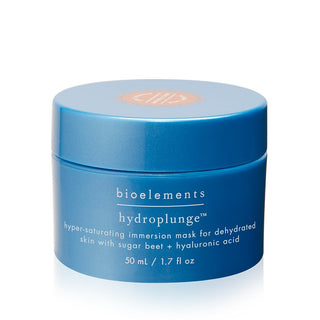
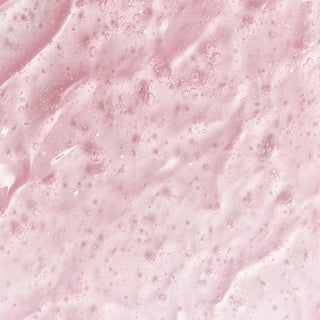
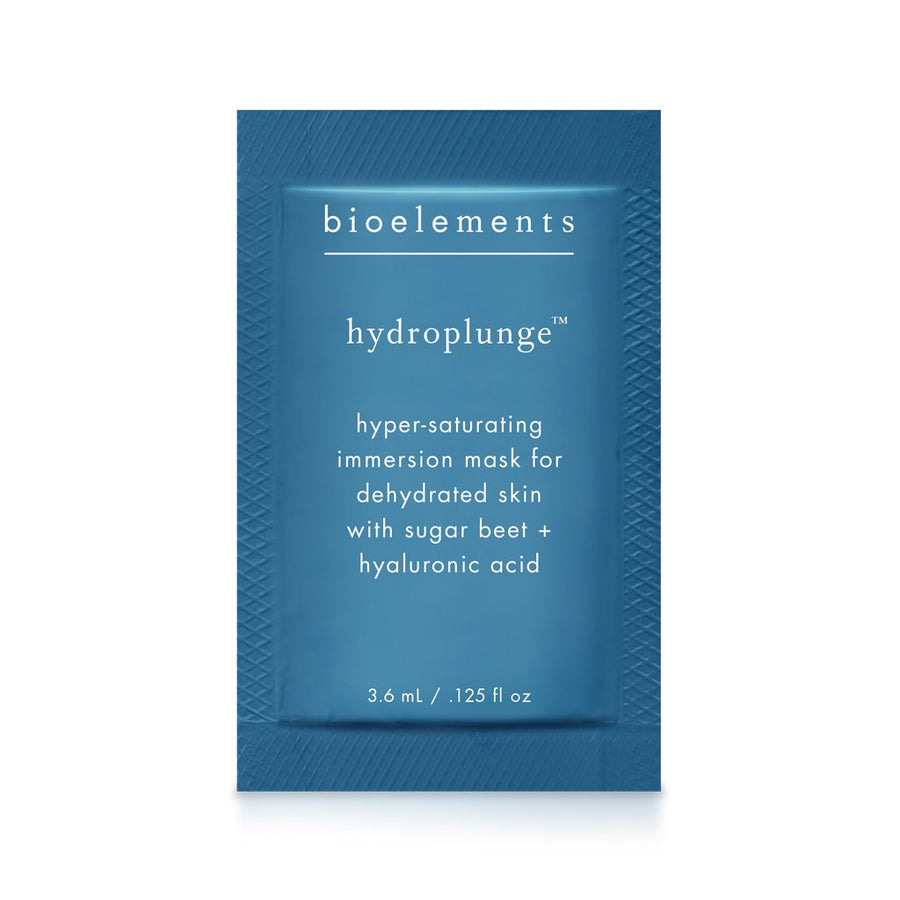
Choose hydroplunge for dehydration. This lightweight immersion mask combines sugar beet extract and hyaluronic acid to replenish hydration and help limit moisture loss. It supports skin’s protective barrier while improving softness and the appearance of lines.
If dryness comes with visible lines or a loss of firmness, a moisture-rich mask that also addresses those concerns may be a better match.
For congested pores, choose targeted exfoliation
When clogged pores and rough texture are your main concerns, look for a mask with exfoliating benefits.
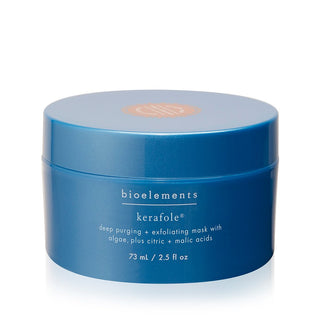
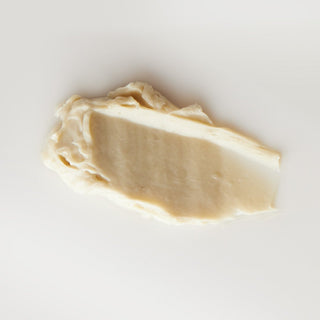
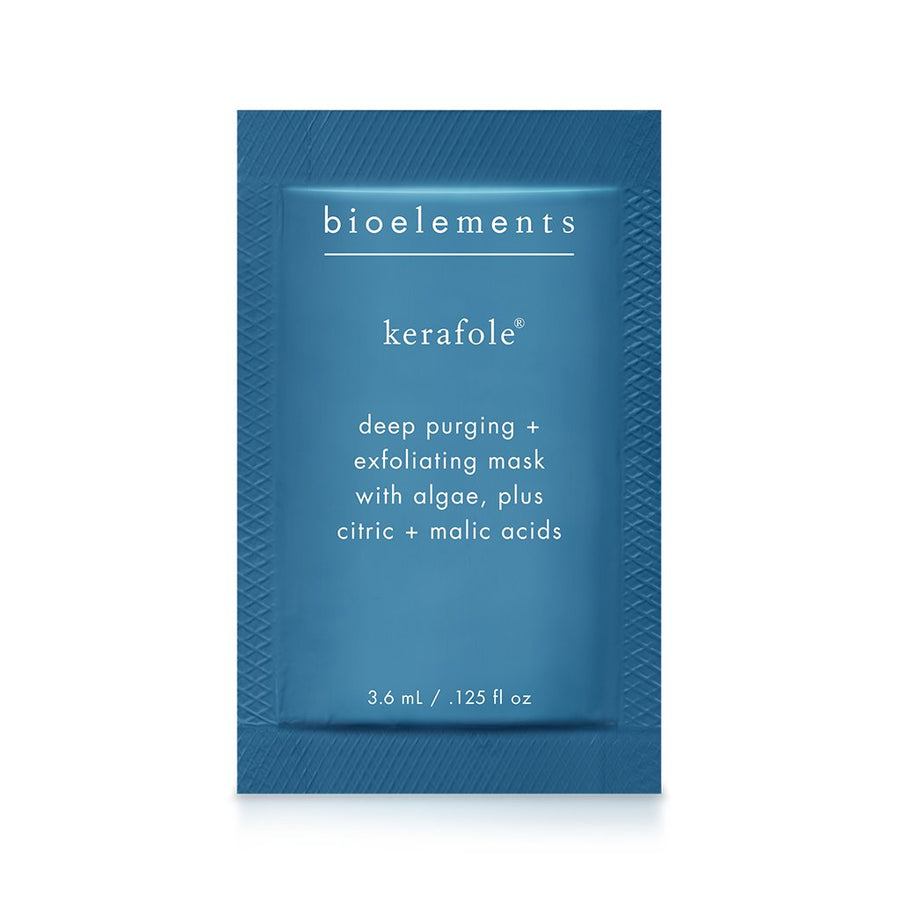
Choose kerafole for congestion and dull, uneven texture. Its citric and malic acids exfoliate, while algae and kelp round out the formula to help skin look brighter and feel smoother.
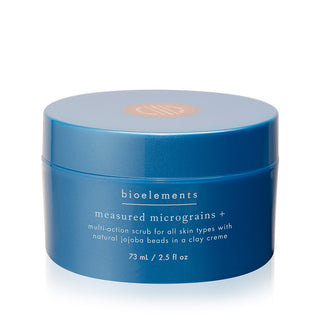
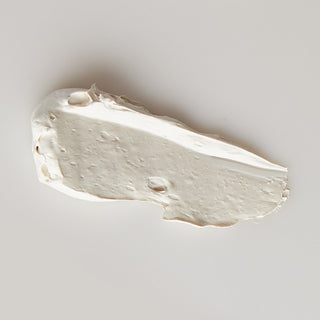
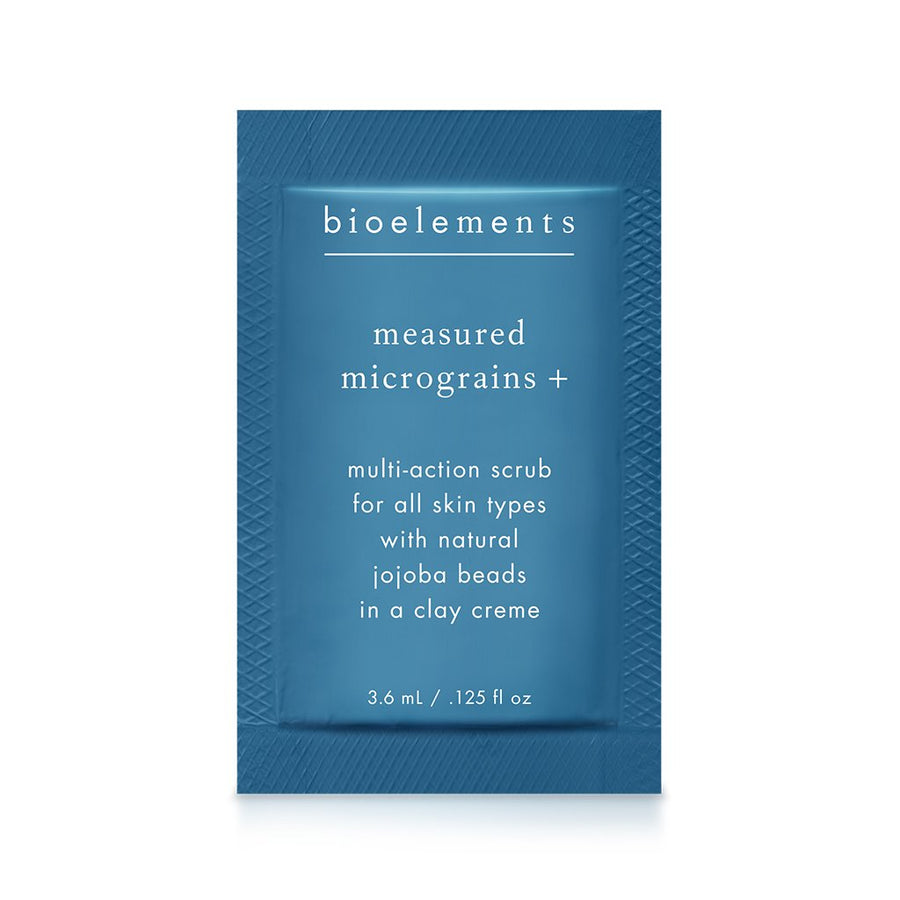
Choose measured micrograins + for physical exfoliation and oil control. This clay creme formula uses jojoba beads to buff away dull surface cells, with kaolin for oil control and pore refinement. It also contains calming aloe, colloidal oatmeal and allantoin, and can be used as a scrub or an exfoliating mask.
Both belong in your exfoliation routine. Factor in your skin’s sensitivity and any other exfoliants you already use when deciding how often to apply them.
For dull skin, identify what else is happening
Dullness can accompany dehydration, rough texture or a tired-looking complexion. The best choice depends on those accompanying concerns.
If dull skin also feels parched, start with hydration. If it feels rough and looks congested, consider a physical exfoliating mask.
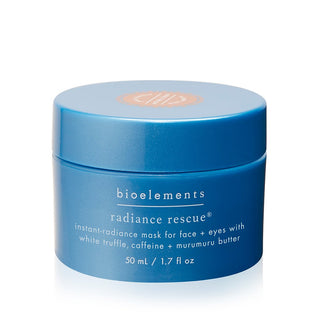
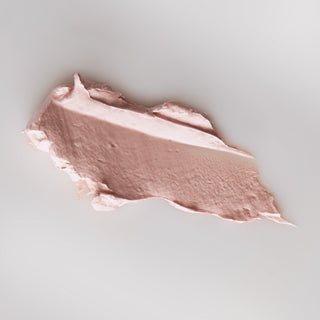
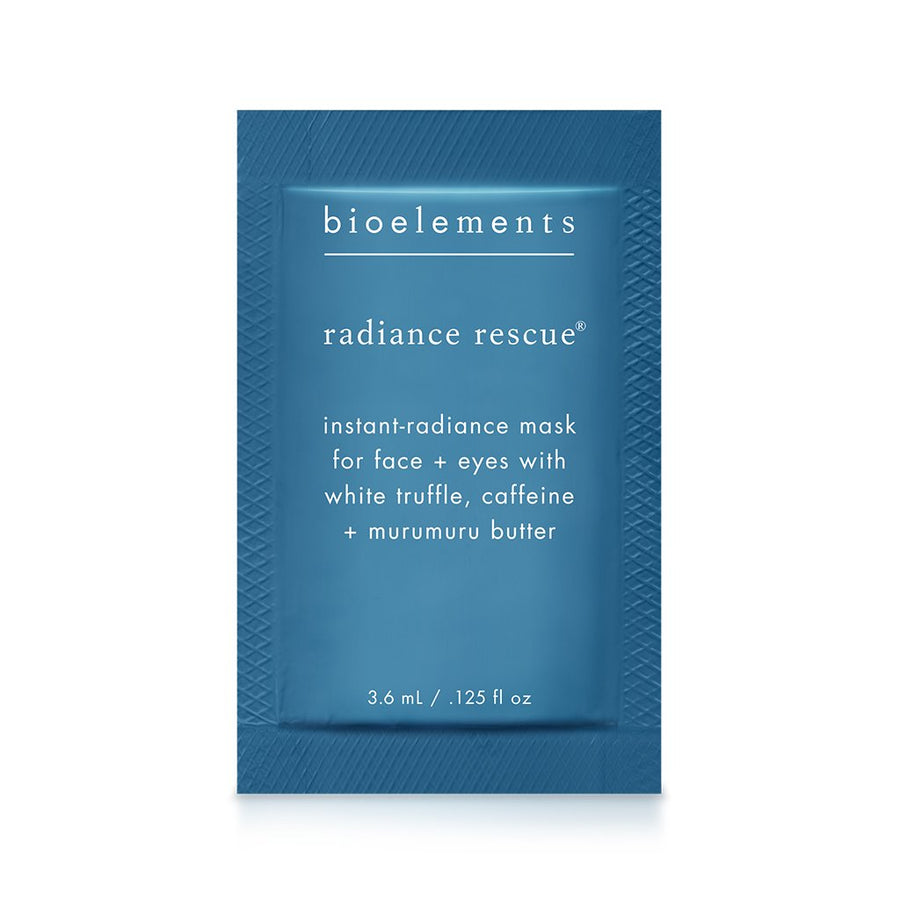
Choose radiance rescue for generally dull, tired-looking skin. This cream mask for the face and eye area combines white truffle, caffeine and murumuru butter to improve radiance and moisturization, while helping reduce the appearance of eye-area puffiness and lines.
For visible lines and loss of firmness, combine support with hydration
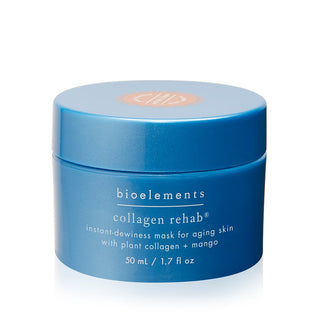
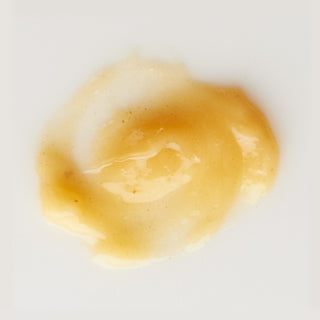
Choose collagen rehab when lines and firmness are your priorities. This face and lip mask uses amino acids to support collagen and elastin performance, helping skin look firmer and lines appear less noticeable. Mango butter adds softness, while moisture-binding ingredients help skin look dewy and renewed.
For sensitive skin, consider the whole formula
Start with a mask formulated for sensitive skin, then match it to your concern. Hydroplunge, radiance rescue and collagen rehab are suitable for sensitive skin, with different benefits depending on whether you’re targeting dehydration, dullness or visible lines.
Sensitivity also matters when choosing exfoliation. Calming ingredients do not replace the need to consider how your skin responds and what else is in your routine.
What if you have more than one concern?
You don’t have to choose one mask for every area of your face. Multi-masking lets you apply different formulas to different zones, such as an exfoliating mask on a congested T-zone and a hydrating mask on dehydrated cheeks. Follow each formula’s application and removal directions.
For help narrowing your choices, an esthetician can assess your skin’s current needs and professionally recommend a mask that fits your routine.