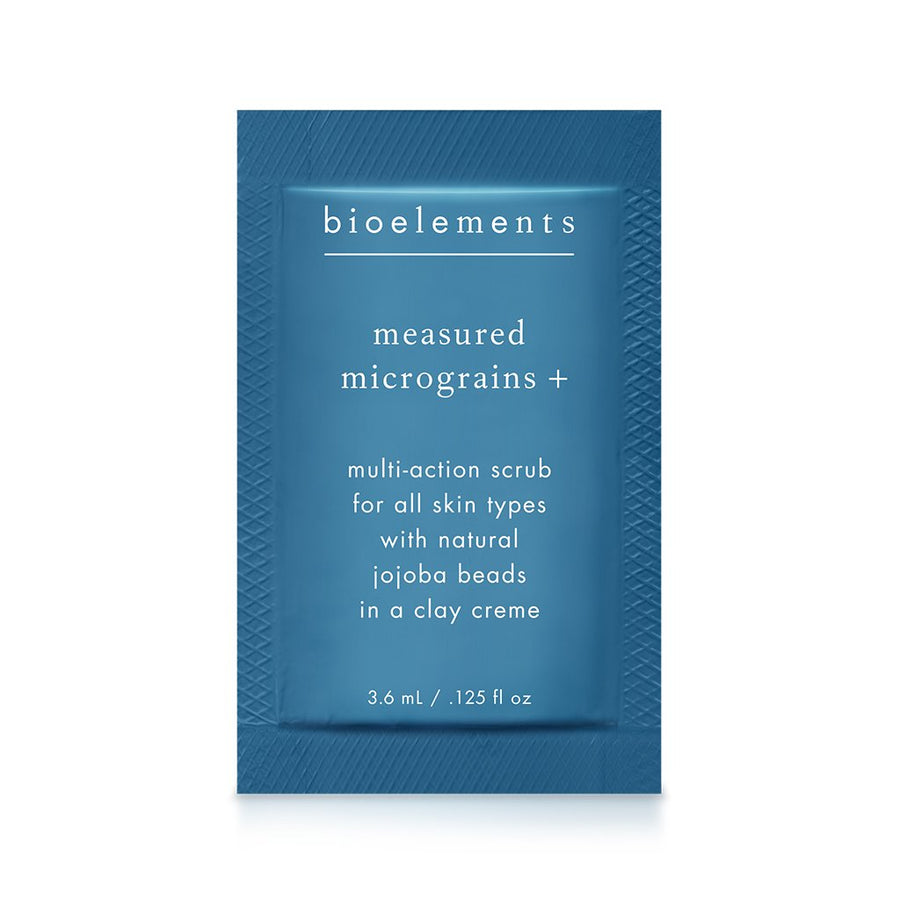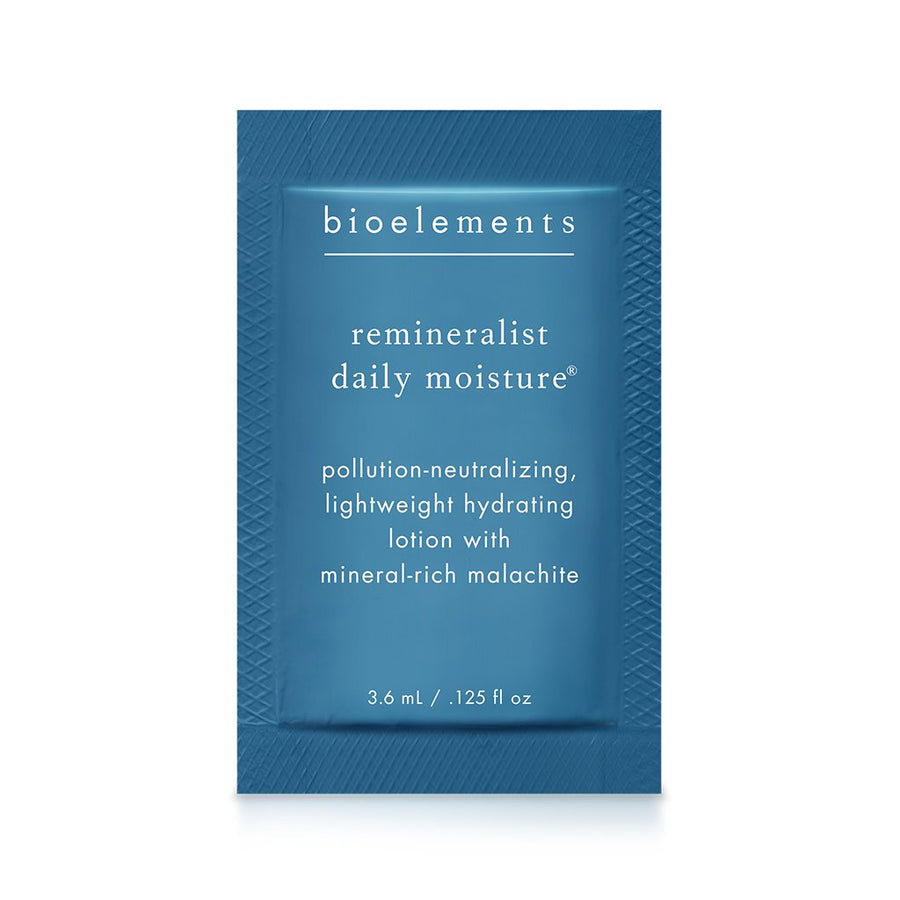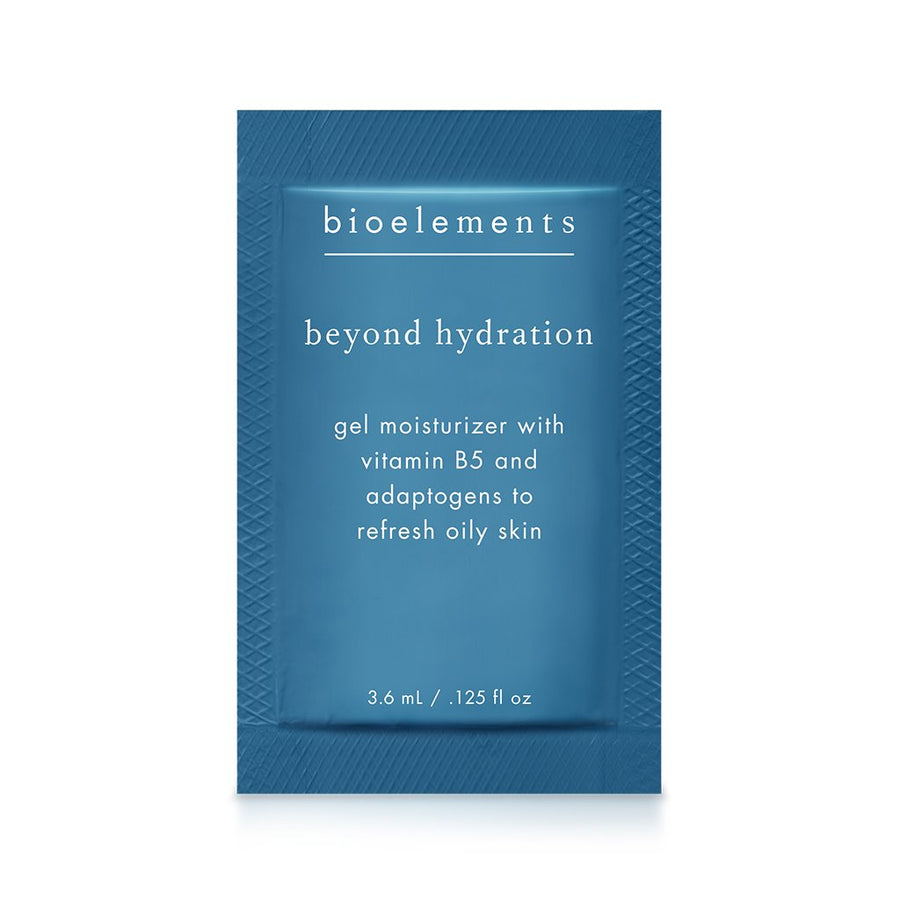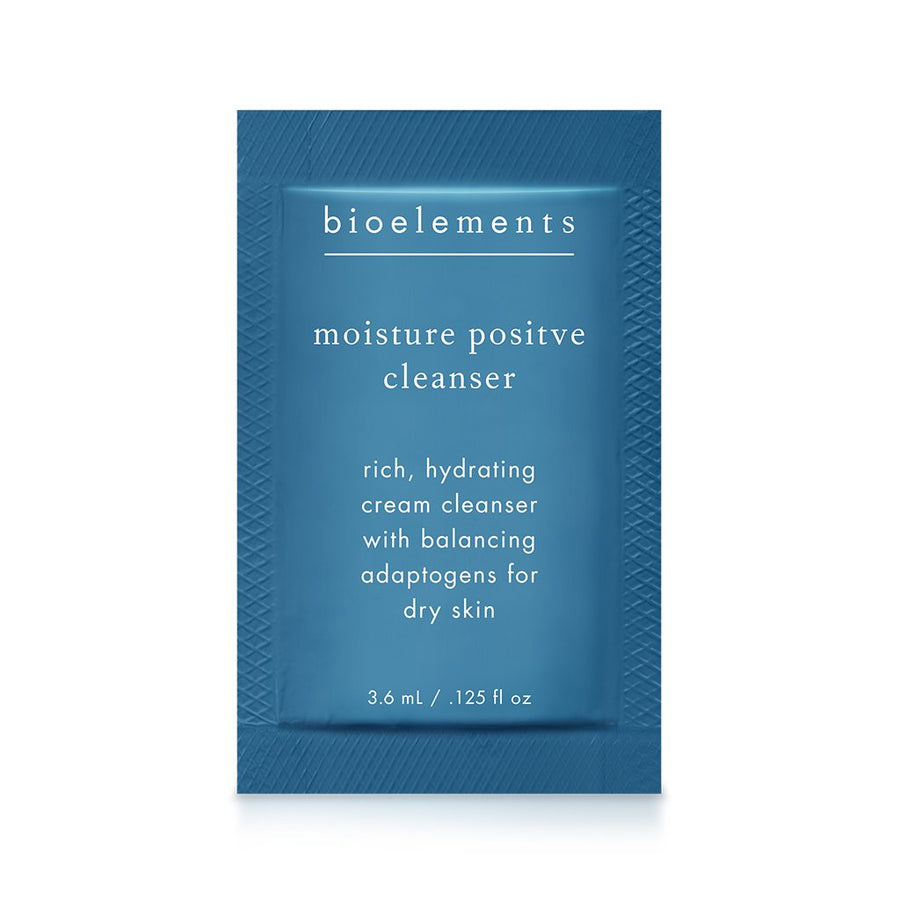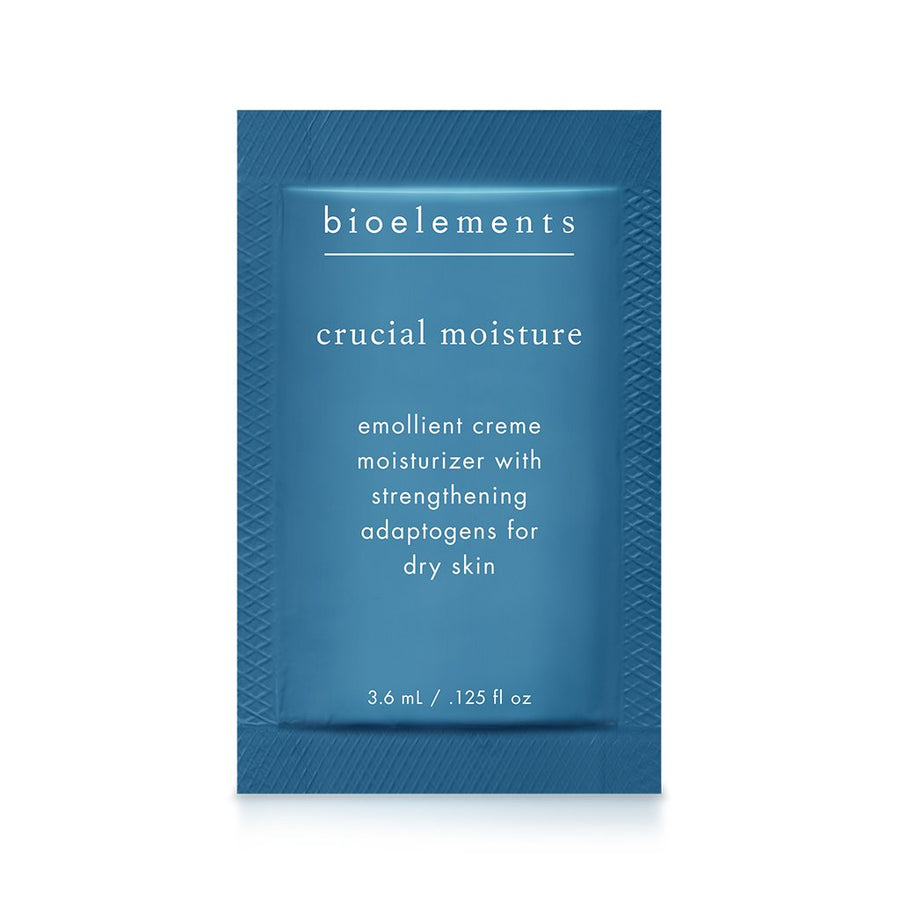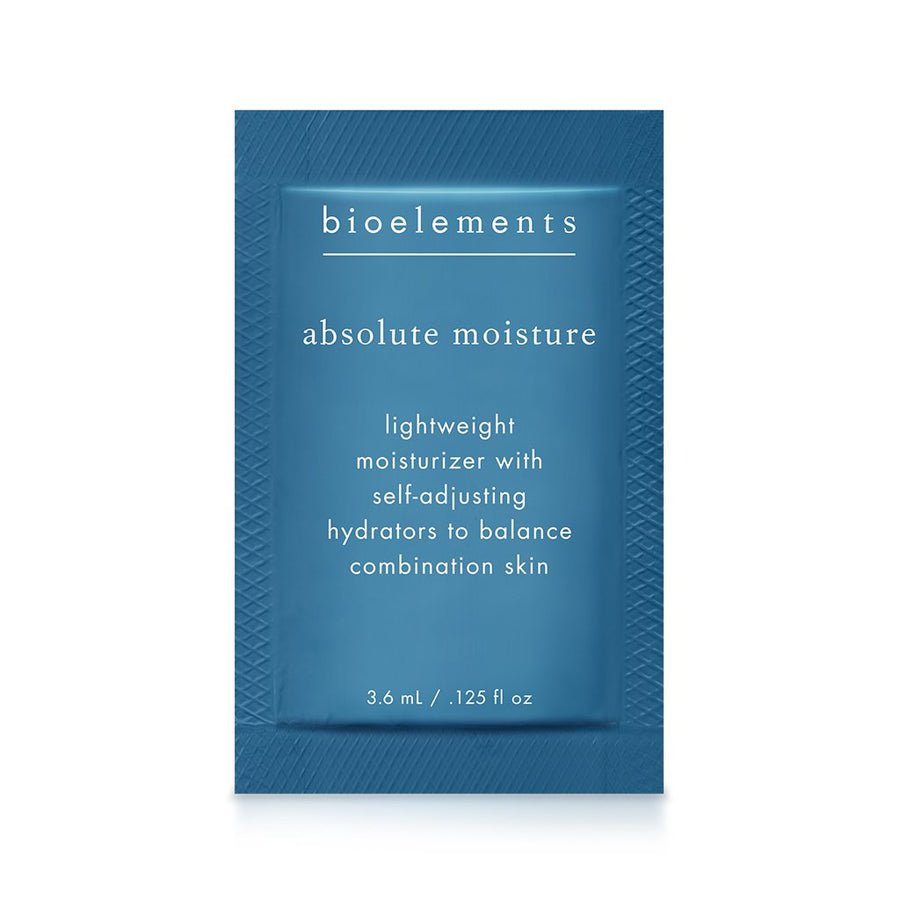

If your skin feels tight, flaky or less comfortable by November, lower humidity and indoor heating may be the reason. Drier air makes it harder for skin to stay hydrated, and the lightweight moisturizer or cleansing habits that worked through summer may no longer provide enough support.
The change to focus on is your skin’s ability to retain moisture. Here’s what that means for your at-home agenda.
Why does my skin feel drier when I’m using the same products?
Your products may be the same, but the conditions around your skin have changed. Cooler outdoor air often contains less moisture, while heating lowers indoor relative humidity. Skin can spend most of the day in dry air.
Your skin barrier helps limit water loss. Its outermost layer contains skin cells surrounded by lipids, including ceramides, cholesterol and fatty acids. When that barrier is compromised, water escapes more readily, and skin can feel rough, tight or irritated.
A moisturizer that kept you comfortable in humid weather may provide insufficient moisture retention now. That doesn’t automatically mean the formula has stopped working or your skin has become “used to” it.
“Seasonal changes can affect how much support your skin needs. If your moisturizer no longer keeps your skin comfortable between applications, it’s time to reassess how well your at-home agenda is supporting moisture retention,” says Dawn Gantt, Bioelements licensed esthetician.
Can my skin be oily and dehydrated at the same time?
Yes. Oiliness describes sebum on the skin’s surface. Dehydration describes a lack of water. You can have both, which helps explain why your forehead may look shiny while your cheeks feel tight.
Skipping moisturizer or cleansing more aggressively to remove shine can leave that dehydration unaddressed. Choose a moisturizer suited to your skin type, and tell your esthetician where you notice tightness, flaking and oiliness. Different areas may need different levels of support.
What should I change first?
Start with the step that leaves your skin uncomfortable.
If skin feels tight immediately after washing, reassess cleansing. Use a gentle, moisturizing cleanser, lukewarm water and your fingertips. Pat dry without rubbing. Persistent tightness after cleansing is a reason to change your formula or technique.
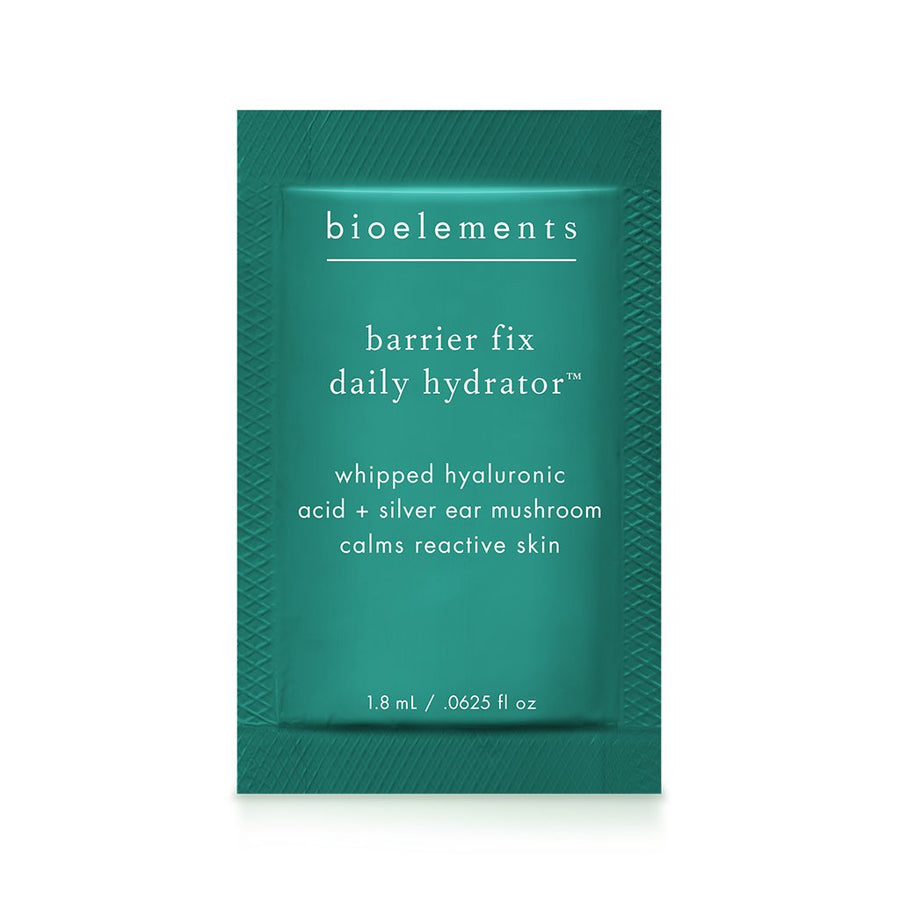
If skin feels dry again later, reassess your moisturizer. Look for ingredients that help hold water, such as glycerin or hyaluronic acid, alongside ingredients that support moisture retention. Apply moisturizer after cleansing while skin is still slightly damp.
If skin feels irritated after exfoliation, reduce the frequency. Pause exfoliation while skin is actively irritated. Your summer schedule may be more than your skin can comfortably tolerate in drier conditions.
“Dry patches can make you want to exfoliate more, but look at how the skin feels, too. If it’s tight or irritated, give it support with gentle cleansing and moisturization before adding another exfoliating step,” says Gantt.
Make one adjustment at a time. You may only need to change one step.
Why do familiar products suddenly sting?
A disrupted barrier can make skin more reactive to products it previously tolerated. Weather, over-exfoliation and harsh cleansing can all contribute. A new reaction can also have other causes, so don’t assume every change is seasonal.
Stop using a product that burns or continues to sting. Keep care simple, and see a dermatologist if irritation persists or skin becomes painful or cracked.
Do I need a completely new winter routine?
No. Keep the steps that continue to work comfortably, and adjust those that leave skin dry or irritated. Daily broad-spectrum SPF 30 or higher still belongs in your morning agenda.
At Bioelements, barrier-first care starts with understanding your skin’s biology. A seasonal check-in with a Bioelements esthetician can help identify what has changed and which adjustments will support your skin through colder weather.
Find a Bioelements spa to build your seasonal at-home agenda.