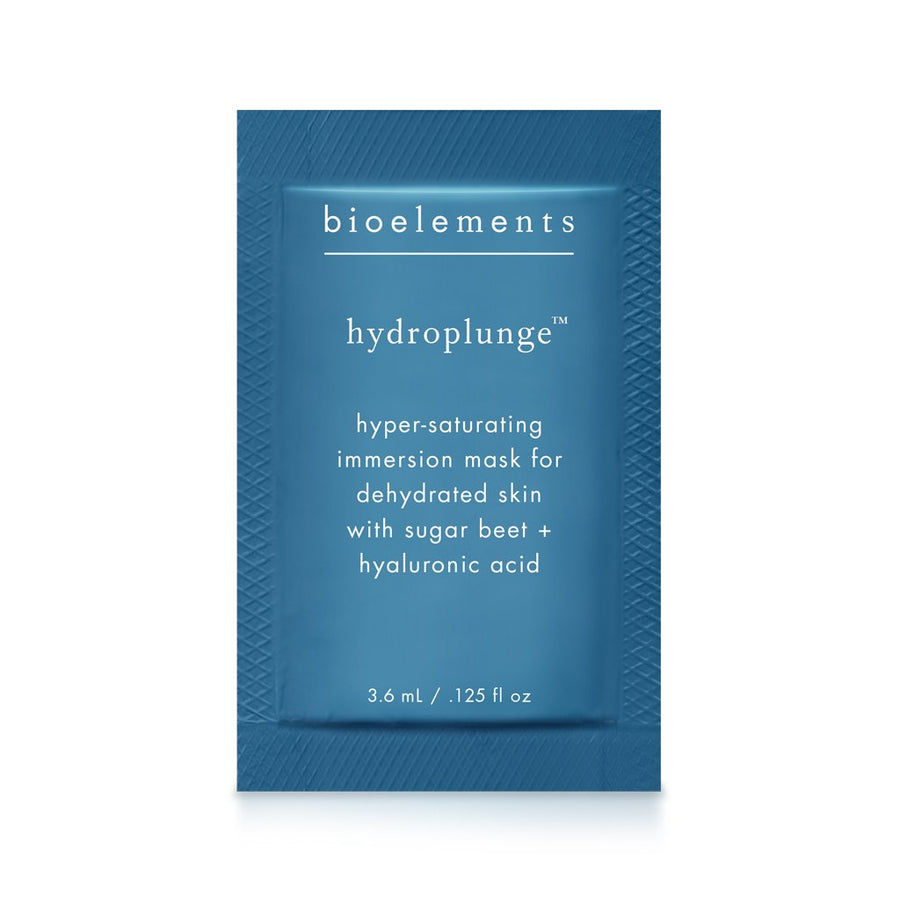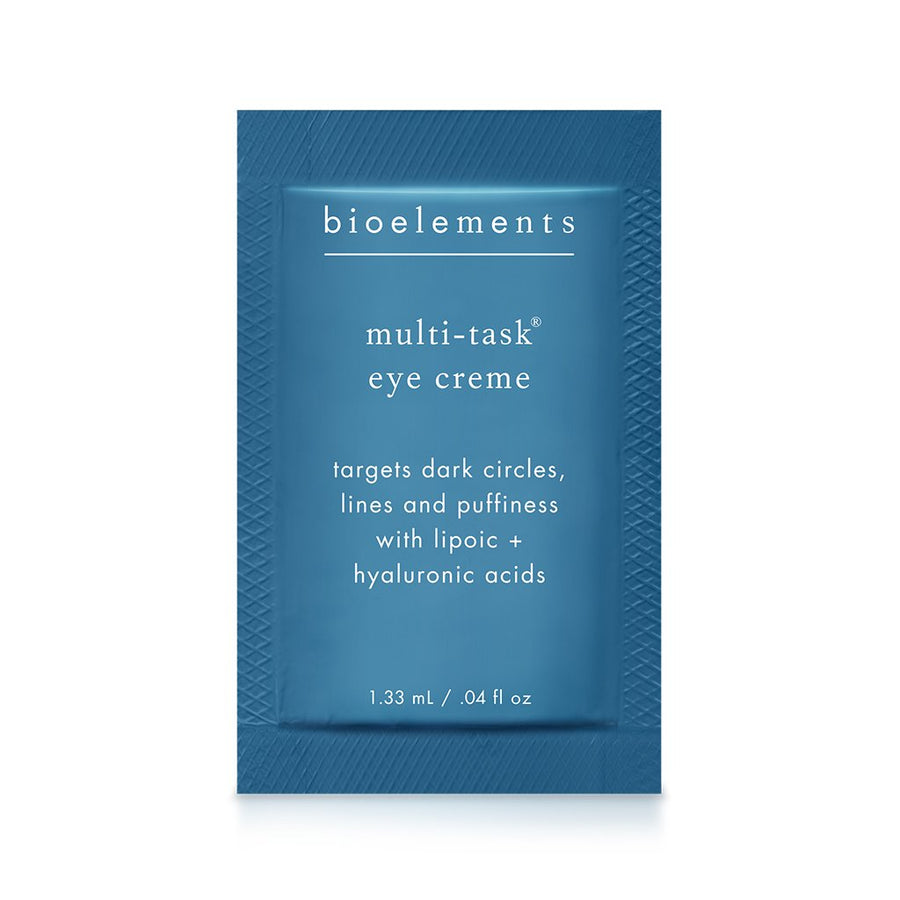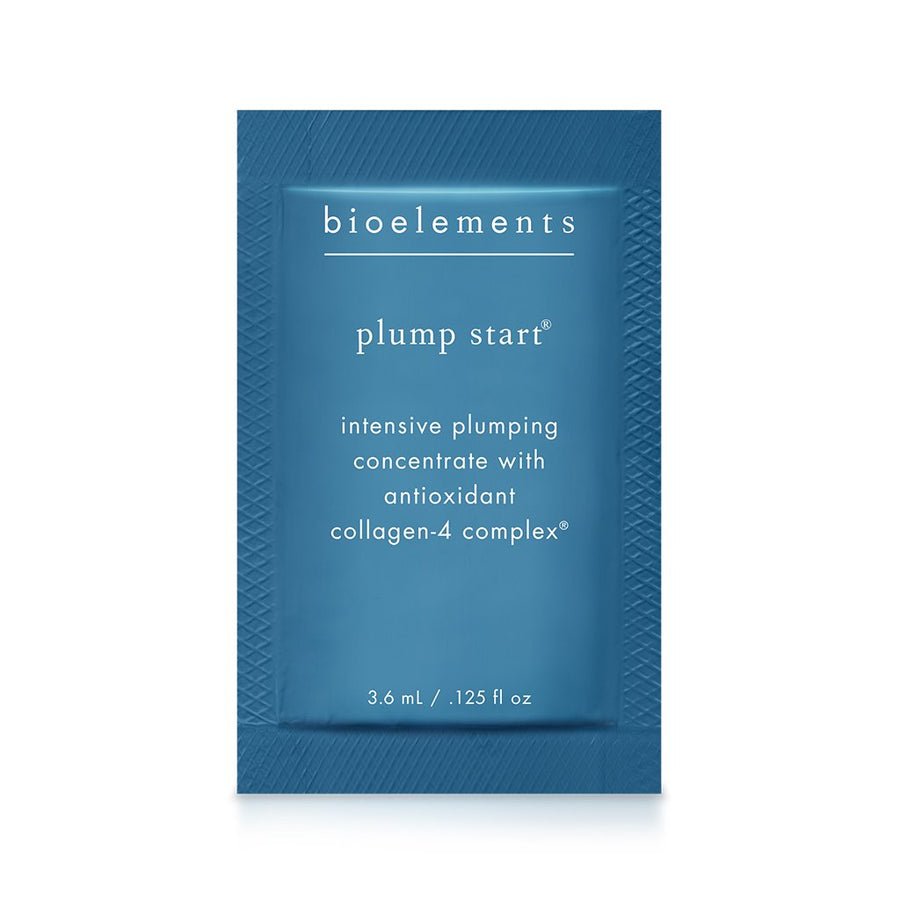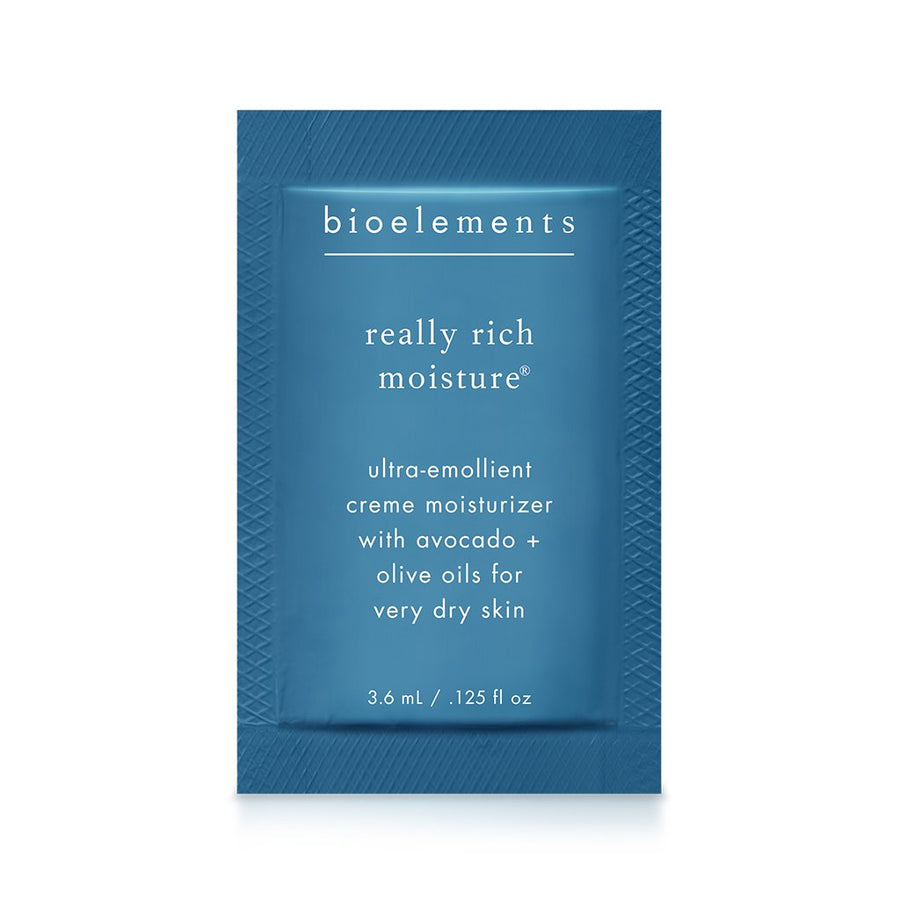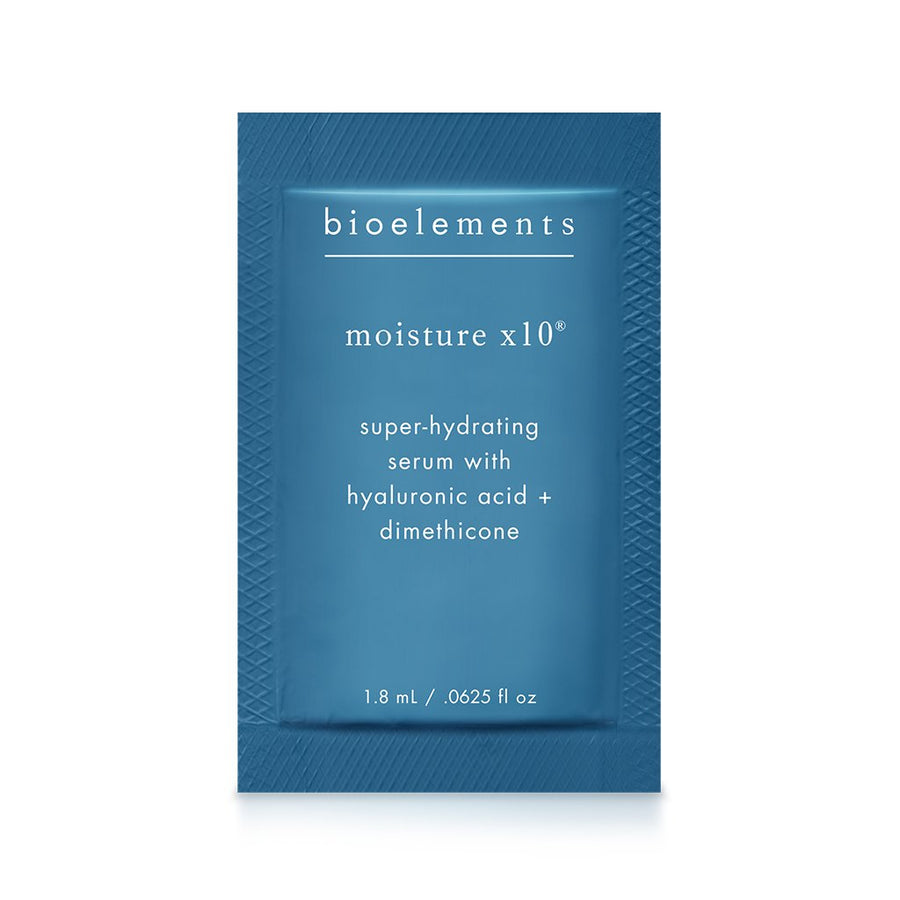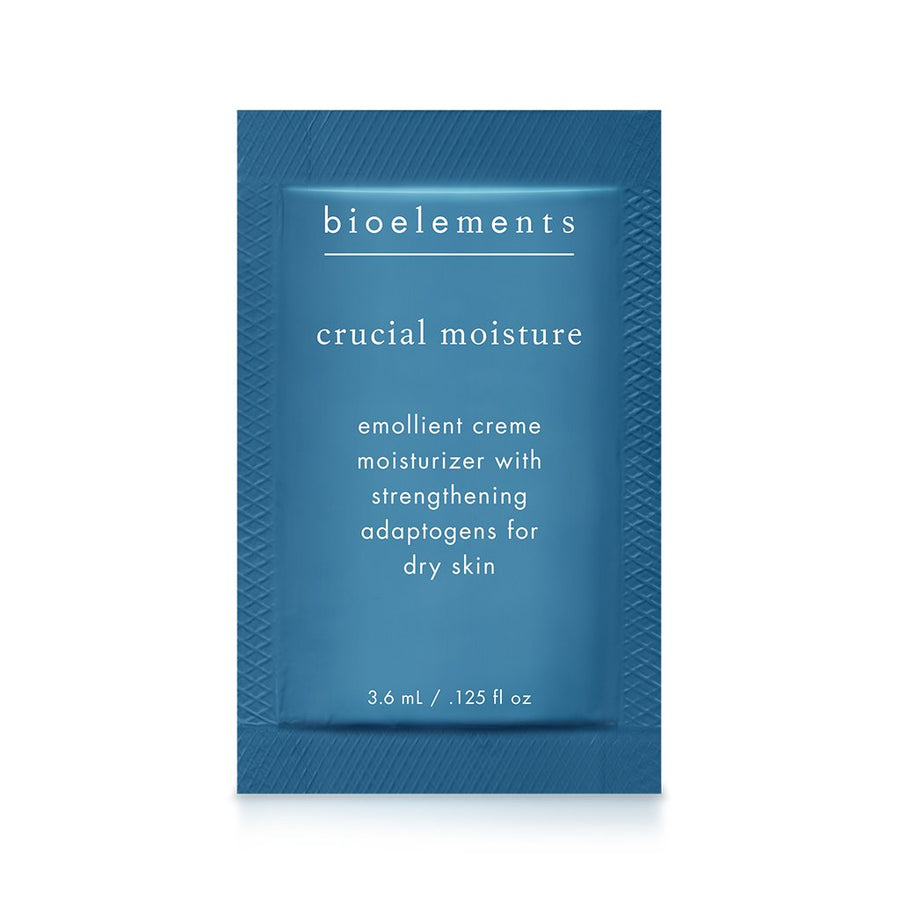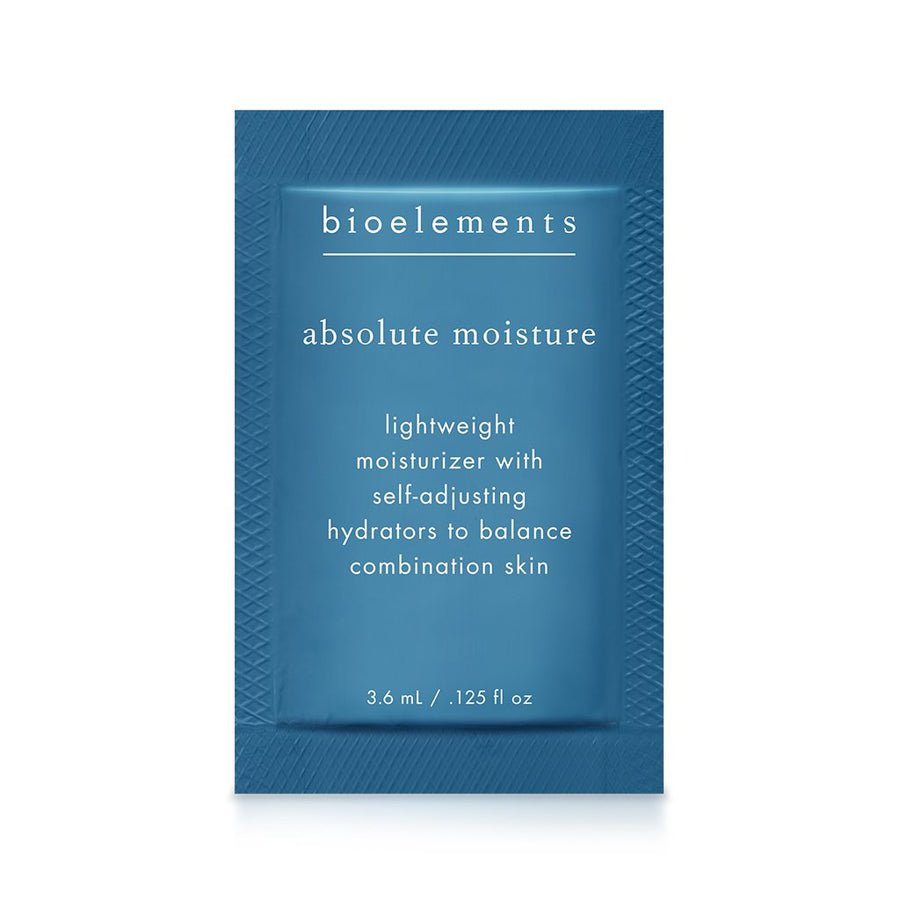

When skin feels tight, loses its suppleness or shows more pronounced fine lines, additional hydration can make a meaningful difference in how it looks and feels. Hyaluronic acid helps provide that support by attracting and holding water within the skin’s outer layers. Its value in skin care comes from its ability to improve hydration, while its formulation determines how that benefit is delivered.
What does hyaluronic acid do for skin?
As a humectant, hyaluronic acid binds water, helping skin feel more supple and giving the surface a smoother appearance. This can soften the look of fine lines associated with dehydration, which is why it appears in everything from targeted serums to moisturizers.
Why do skin’s hydration needs change?
Its relevance becomes clearer when you look at how skin changes over time. Hyaluronic acid is naturally present in the tissue surrounding skin cells, where it contributes to hydration and participates in processes involved in normal cell function. As skin ages, its distribution and relationship with that tissue can change. Skin renewal also slows, while fibroblasts, the cells that produce collagen and other supporting components, undergo changes that affect their activity. A topical hyaluronic acid formula addresses the hydration side of this broader biological picture, helping support skin as its needs evolve.
What do different molecular weights mean?
How it delivers that hydration depends partly on molecular weight, which refers to the size of the molecule. Larger hyaluronic acid molecules generally remain closer to the surface, where they help hold moisture. Smaller molecules can penetrate farther into the outer skin layers, depending on their size and the formulation. Both have a useful role: surface hydration contributes to skin’s smoothness and comfort, while smaller molecular weights can help deliver hydration beyond the surface.
Combining molecular weights allows a formula to bring these properties together.
How does hyaluronic acid fit into your skin care?
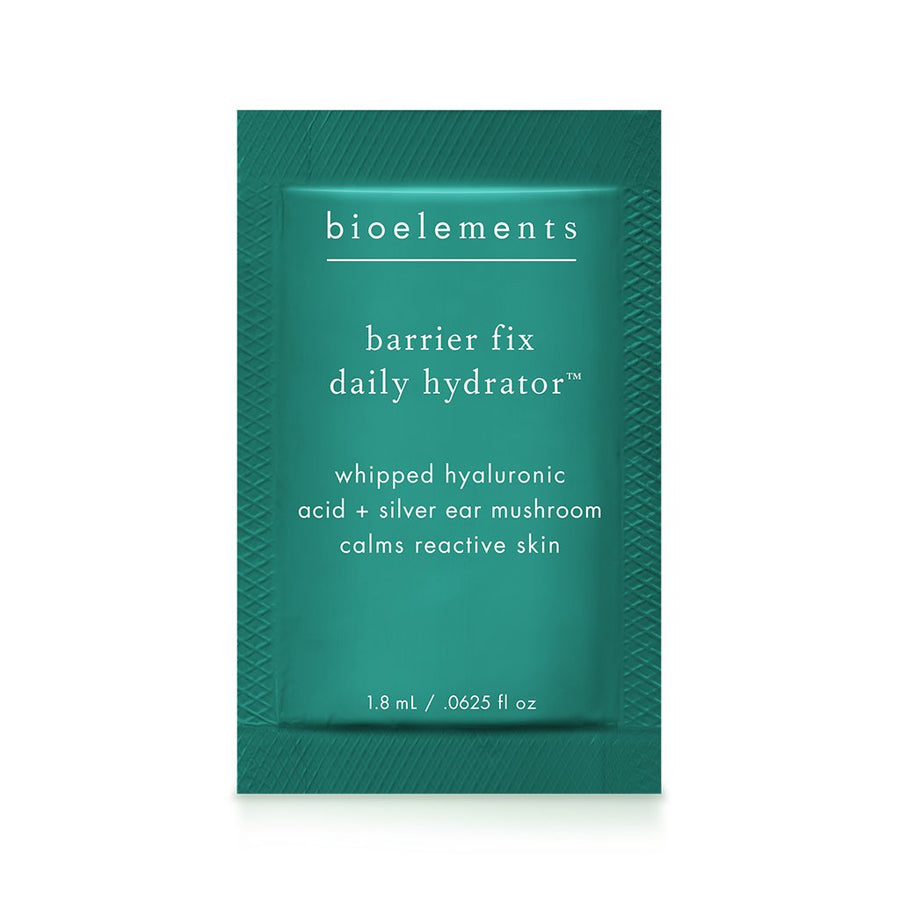
For that hydration to be useful, skin also needs support retaining moisture. A barrier-first approach pairs water-binding ingredients such as hyaluronic acid with ingredients that soften skin and help limit moisture loss. These may be combined in one moisturizer or used across a serum and moisturizer, depending on the formulas and your skin’s needs.
When choosing where hyaluronic acid fits into your at-home agenda, consider how your skin feels throughout the day and whether your current products provide enough hydration and comfort. An esthetician can help you identify where additional support would be useful and choose a formula designed to work with your skin biology.