
Winter can change what your skin needs, and those changes don’t always arrive at once. A few thoughtful adjustments to your at-home agenda can help you stay ahead of dryness without replacing everything on your shelf.
Here’s how to approach your winter skin care routine from November through February, with a different focus each month. Use the calendar as a check-in, and let your climate and skin’s comfort guide the timing.
Why does skin get dry in winter?
Cold outdoor air and indoor heating often mean lower humidity. With less moisture in the air, skin can have a harder time retaining water, leaving it feeling dry, tight or rough. Hot showers and harsh cleansing can make that dryness worse.
You might notice:
- Tightness after cleansing
- Flaking around the nose, cheeks or mouth
- A rougher feel or less supple appearance
- Fine lines that look more noticeable
The goal of winter skin care is to help skin hold onto moisture while reducing habits that leave it feeling stripped.
November: When should you change your skin care routine for winter?
Start when your skin begins feeling different. You don’t need to wait for visible flaking, and you don’t need to replace products that still work well.
November is a useful time to check two essentials: your cleanser and your moisturizer.
Pay attention after cleansing. If your face feels tight or uncomfortable, consider a gentler cleanser. Use lukewarm water and avoid scrubbing.
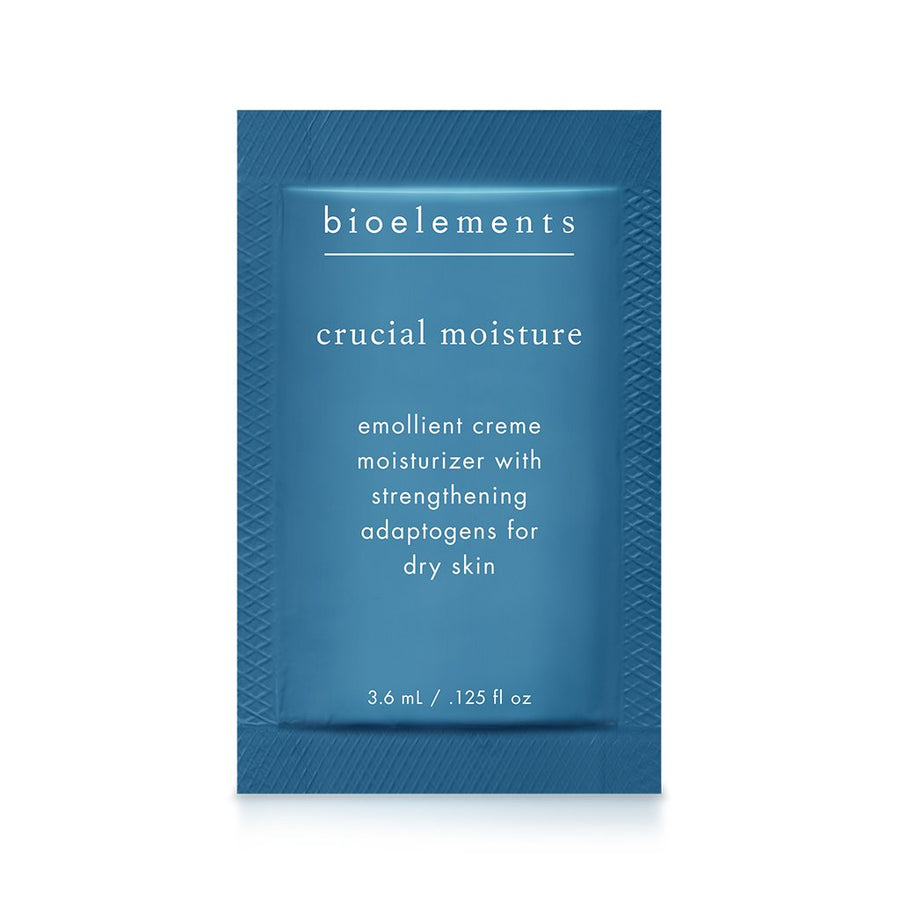
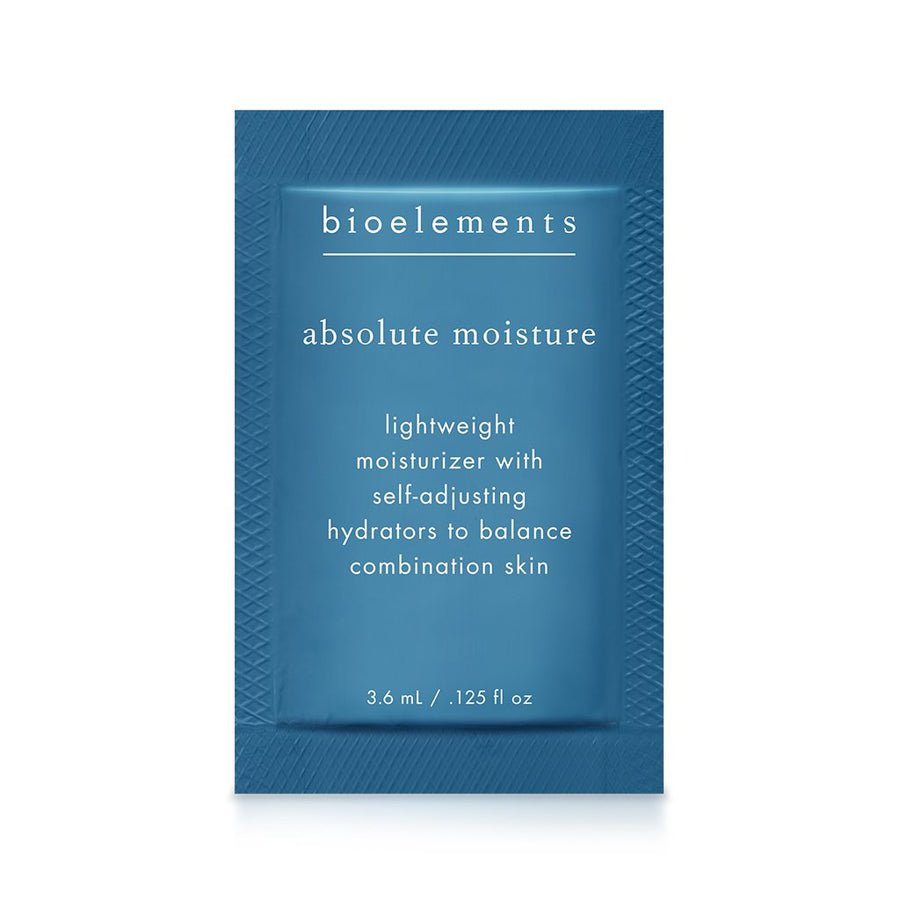
Reassess your moisturizer. A lightweight formula may no longer provide enough comfort. If dryness is developing, a more emollient cream may be a better fit. Apply it promptly after washing to help retain moisture.
Explore Bioelements moisturizers with your skin type and current concerns in mind.
Your November check-in: Does your skin feel comfortable after cleansing and moisturizing?
December: How do you keep winter skin care consistent?
Between travel, late nights and a full calendar, December is a good month to make your at-home agenda easier to maintain.
Keep your familiar essentials together so cleansing, moisturizing and sun protection stay part of the day, whether you’re home or away.
Pack the products your skin already tolerates. Before a busy trip or event, keep experimentation to a minimum. Introduce new formulas one at a time so you can tell how your skin responds.
Give lips and hands some attention. Apply a comfortable lip treatment as needed and moisturize your hands after washing. These small steps are easy to overlook when you’re focused on your face.
Keep sunscreen in your morning agenda. Winter does not remove the need for sun protection. Choose broad-spectrum, water-resistant SPF 30 or higher and reapply according to the label, including every two hours outdoors.
Your December check-in: Can you keep up with your essentials on your busiest days?
January: What should you do about dry, flaky winter skin?
If your skin is flaky, the temptation is to exfoliate until it feels smooth. But when dryness is causing the flakes, more exfoliation can make the discomfort worse.
January is a useful time to review what you might need to reduce.
Pause exfoliation on irritated areas. Skip scrubs and exfoliating acids while skin is raw, stinging or visibly irritated. Focus on gentle cleansing and moisturizing.
Look at your environment. A humidifier can add moisture to dry indoor air. Clean it regularly according to the manufacturer’s instructions.
Turn down the shower temperature. Keep showers short and warm, then moisturize while skin is still slightly damp.
If dryness keeps returning, ask your esthetician to review your at-home agenda. Persistent itching, cracking, bleeding or irritation calls for a dermatologist.
Your January check-in: Are you treating dryness with moisture, or trying to scrub it away?
February: When should you adjust your winter skin care again?
A warmer afternoon doesn’t necessarily mean your skin is ready for a lighter moisturizer. In many climates, February still brings cold air and indoor heating.
Use this month to assess what has helped and what still needs attention.
Keep what is working. If your skin feels comfortable and your products suit it, there’s no need to change them just because spring is approaching.
Make one adjustment at a time. As conditions change, reassess your moisturizer’s texture or how often you use an exfoliant. Follow product directions and avoid restarting exfoliation while skin remains irritated.
Plan a professional check-in. Bring your current product list and describe any ongoing tightness, flaking or sensitivity. Your esthetician can help personalize your next facial and at-home care.
Your February check-in: What does your skin need now, based on how it feels?
Your winter skin care calendar at a glance
|
Month |
Main focus |
Where to start |
|
November |
Adjust to seasonal dryness |
Reassess your cleanser and moisturizer |
|
December |
Keep care consistent |
Make daily essentials easy to maintain |
|
January |
Address flakes and discomfort |
Reduce irritation and support moisture retention |
|
February |
Review and personalize |
Keep what works and adjust gradually |
When should you get professional help for winter skin?
An esthetician can help you choose formulas and a facial suited to your current skin concerns. If dryness persists despite gentle care, or skin becomes painful, cracked, bleeding or persistently itchy, see a board-certified dermatologist.
You don’t have to figure out every seasonal adjustment on your own. Start with your skin’s comfort, stay consistent with the essentials and get guidance when something isn’t improving.
Sources
American Academy of Dermatology, Cold weather and your skin
American Academy of Dermatology, Dermatologists’ top tips for relieving dry skin
American Academy of Dermatology, How to pick the right moisturizer for your skin